AI-Powered & Personalized Learning: The Future of Education in 2025
Introduction
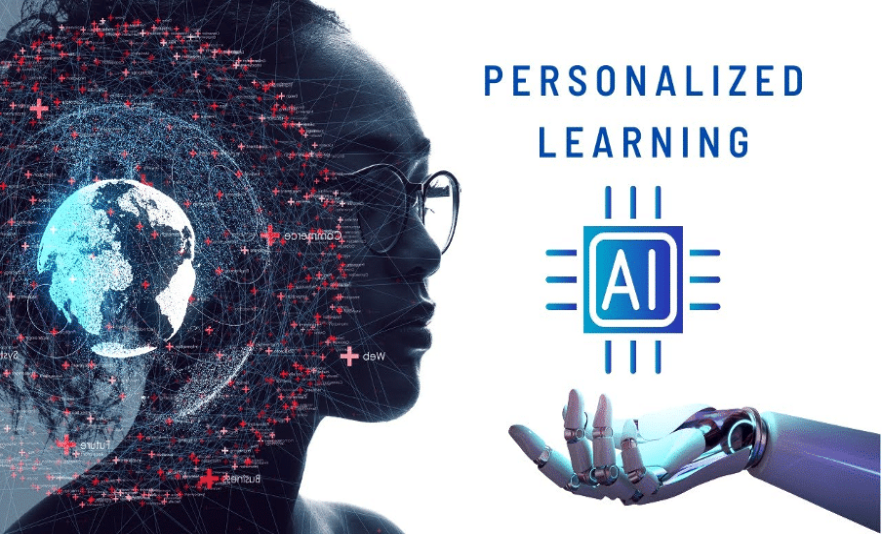
Education is entering a new era, and AI-powered personalized learning is leading the transformation. From schools to universities, artificial intelligence is being integrated into classrooms to provide adaptive learning paths, real-time feedback, and student-specific resources. Unlike traditional teaching, where all students receive the same instruction, AI tailors lessons to individual strengths and weaknesses.
In 2025, this trend is not just a buzzword—it’s becoming a reality, changing how teachers teach and how students learn.
What is AI-Powered Personalized Learning?
AI-powered personalized learning uses artificial intelligence algorithms to:
Track a student’s progress
Analyze learning patterns
Identify weak areas
Suggest customized study material, quizzes, or practice questions
For example, if one student struggles with algebra while excelling in geometry, the system automatically adjusts by giving them more algebra exercises while advancing their geometry curriculum.
SEO Keywords: AI in education, personalized learning, AI-powered classrooms, adaptive learning platforms, future of education 2025
Key Benefits of AI-Powered Personalized Learning
1. Adaptive Learning Paths
AI makes learning flexible by designing unique roadmaps for each student. This ensures that students move at their own pace without feeling left behind.
2. Improved Student Engagement
Gamified quizzes, interactive modules, and AI-driven learning apps keep students motivated. Virtual tutors make the learning process more engaging than static textbooks.
3. Accessibility in Remote Areas
AI-powered tools can bridge the education gap in rural areas. Virtual tutors and chatbots provide 24/7 support, ensuring students without direct access to teachers still get guidance.
4. Real-Time Feedback for Teachers
AI doesn’t replace teachers—it empowers them. By analyzing student performance, AI tools give educators insights into what works best and where interventions are needed.
5. Cost-Effective Learning
With scalable AI platforms, schools and universities can provide high-quality, personalized education at a lower cost than traditional one-on-one tutoring.
How AI is Already Transforming Classrooms in India
EdTech startups are integrating AI into apps for school and college students.
NCERT and SWAYAM platforms are beginning to experiment with AI tools for personalized exam preparation.
Initiatives like TN SPARK in Tamil Nadu are teaching students AI, robotics, and coding from middle school.
These efforts are not just futuristic—they are already changing the way millions of students study.
Challenges to Consider
While promising, AI-powered learning faces hurdles:
Digital divide: Not all students have equal access to devices and internet.
Data privacy: Student performance data must be secured.
Teacher training: Educators need support to adapt to AI-driven tools.
Addressing these challenges will be crucial for long-term success.
The Future of AI in Education (2025–2030)
By 2030, experts predict that:
AI tutors will be common in classrooms.
Personalized career guidance will be offered through AI platforms.
Global collaboration will allow students from rural India to learn alongside peers worldwide.
This future is not far away—it is unfolding right now.
Conclusion
AI-powered personalized learning is revolutionizing education by making it adaptive, inclusive, and engaging. For students, it means learning at their own pace; for teachers, it means powerful insights to improve outcomes; and for the education system, it signals a future where quality learning is available to all.
The question is no longer if AI will change education—it’s how fast we can adapt to it.