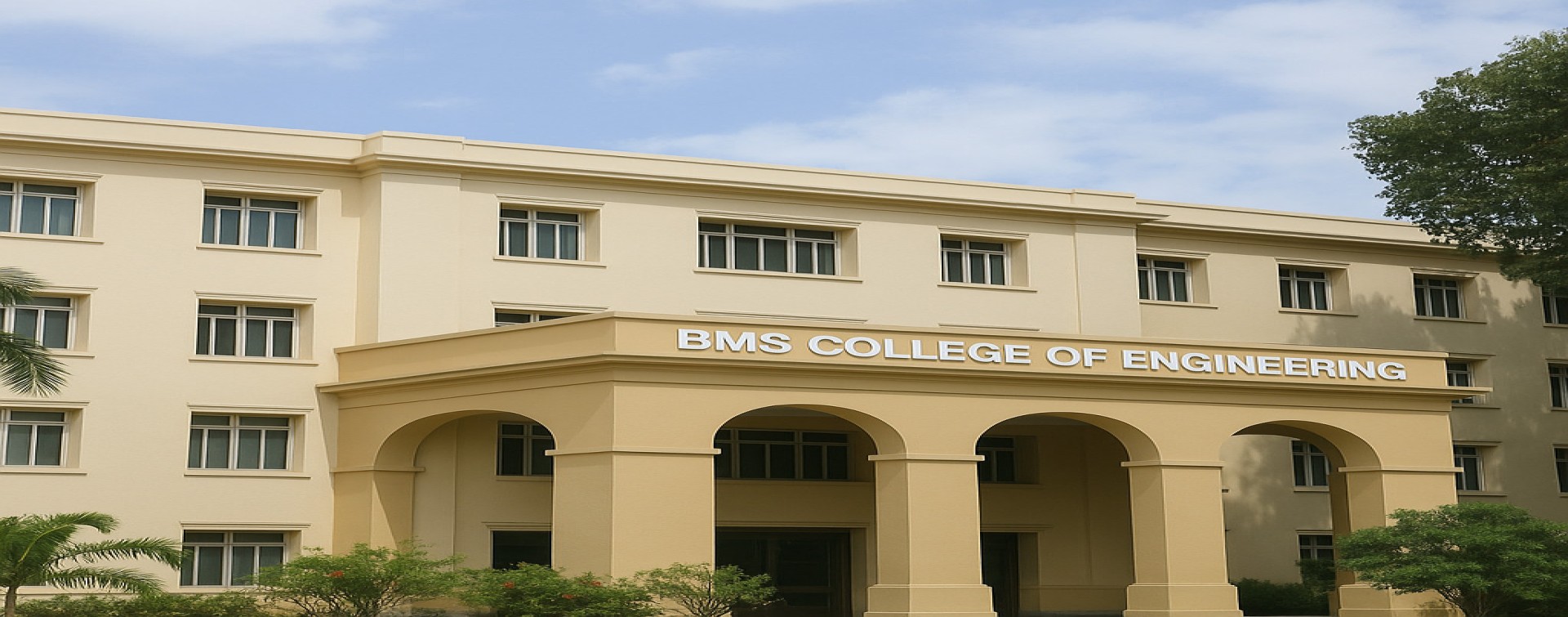
BMS College of Engineering

  • Bull Temple Rd, Basavanagudi, Bengaluru, Karnataka 560004
  • 4.9/5 (1 Reviews)
  • Private Institute - Estd. 1946

BMS College of Engineering, Bangalore – Overview, Legacy & Key Highlights

BMS College of Engineering (BMSCE), Basavanagudi, Bengaluru, is one of India’s most reputed engineering colleges and widely known as the first private engineering college in India. Established in 1946 by Sri B. M. Sreenivasaiah and managed by the B.M.S. Educational Trust, BMSCE combines strong legacy, NBA/NAAC accreditation, VTU affiliation and autonomous status with modern infrastructure and active industry linkages.

Est. 1946 • First private engineering college Location: Basavanagudi, Bengaluru (Karnataka) Affiliated to VTU • Autonomous institution NAAC A++ • NBA-accredited programmes

About BMS College of Engineering

BMS College of Engineering (BMSCE) was founded in 1946 by Sri B. M. Sreenivasaiah, a noted visionary and philanthropist, and later nurtured by his son Sri B. S. Narayan. It was the first private engineering college in India and remains the flagship institution of the B.M.S. Educational Trust.

  • Located in the heart of Bengaluru, in the Basavanagudi area.
  • Legacy of nearly eight decades in engineering education.
  • Large and active alumni network in India and abroad.
  • Recognised for its contribution to technical education and research.
1946 Year of Establishment
18+ UG Engineering branches (approx.)
70+ Years Of technical education legacy
1000s Of alumni in top positions

Academics & Courses

BMSCE offers a wide range of undergraduate, postgraduate and research programmes in engineering and allied domains. The college started with only three UG branches and has grown into a multi-disciplinary institution.

Programme Portfolio

  • UG (B.E/B.Tech): Around 18 specialisations including CSE, ISE, ECE, EEE, Mechanical, Civil, AI/ML, Data Science and more.
  • PG (M.Tech/MBA/MCA): Multiple M.Tech specialisations and other PG programmes.
  • Research: Several departments recognised as VTU research centres for Ph.D and M.Sc (Engg by Research).

Academic Features

  • Outcome-based education with continuous internal evaluation.
  • Choice-based credit system and electives in emerging technologies.
  • Industry-linked projects, internships and technical clubs.
  • Opportunities for publications, patents and higher studies pathways.

Exact branch list and intake can change over time—students should always refer to the latest BMSCE prospectus and VTU affiliation documents for current offerings.

Accreditation, Autonomy & Quality

BMSCE is known for its strong accreditation profile and quality measures, which directly impact teaching-learning, exam pattern and overall degree value.

Status & Affiliations

  • Affiliated to: Visvesvaraya Technological University (VTU), Belagavi.
  • Autonomous: Autonomous institution for many programmes (academic & exam autonomy under VTU).
  • Approved by: AICTE and recognised by UGC.

Accreditations & Rankings

  • NAAC: Accredited with a high grade (A++ in recent cycles).
  • NBA: Many UG and PG programmes accredited, including Tier-I format for several branches.
  • Regularly featured among top private engineering colleges in India by various rankings.
  • Implements outcome-based education (OBE) and continuous quality improvement.

For students, these accreditations matter for placements, higher studies, international recognition and government opportunities.

Infrastructure & Campus Life

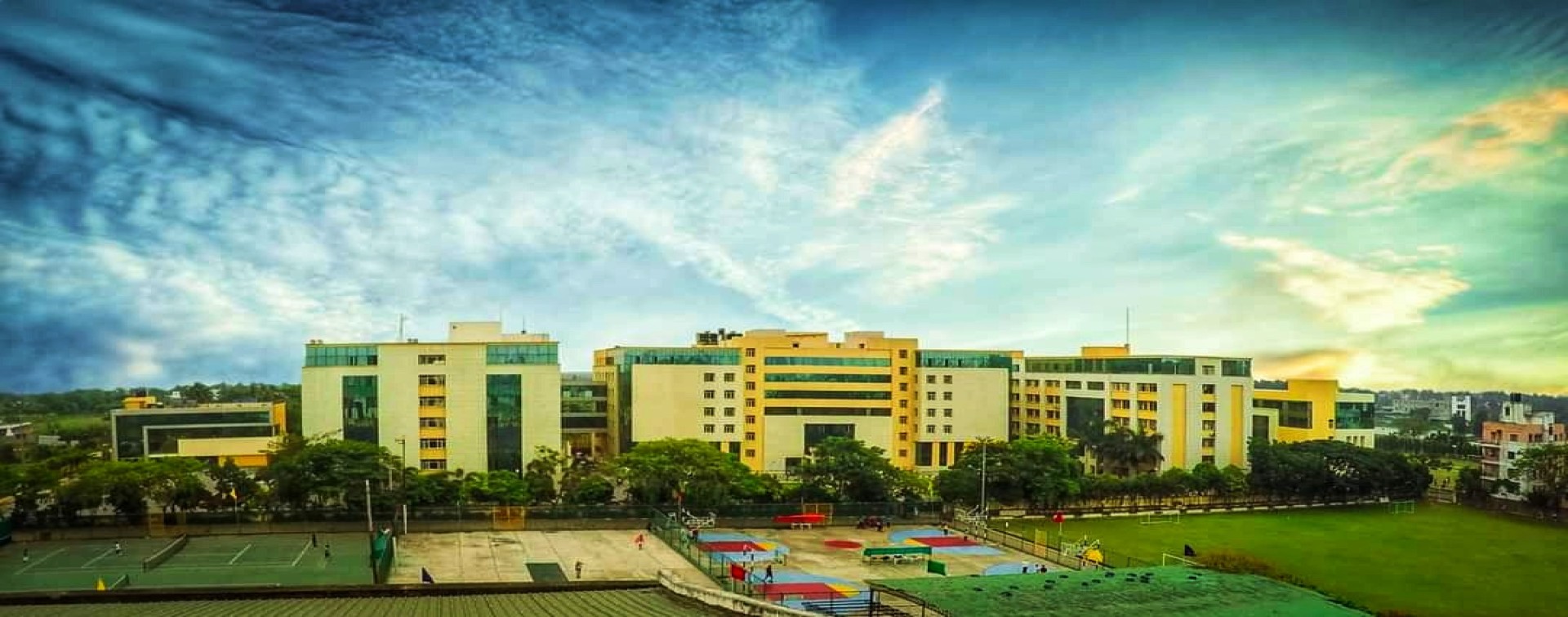
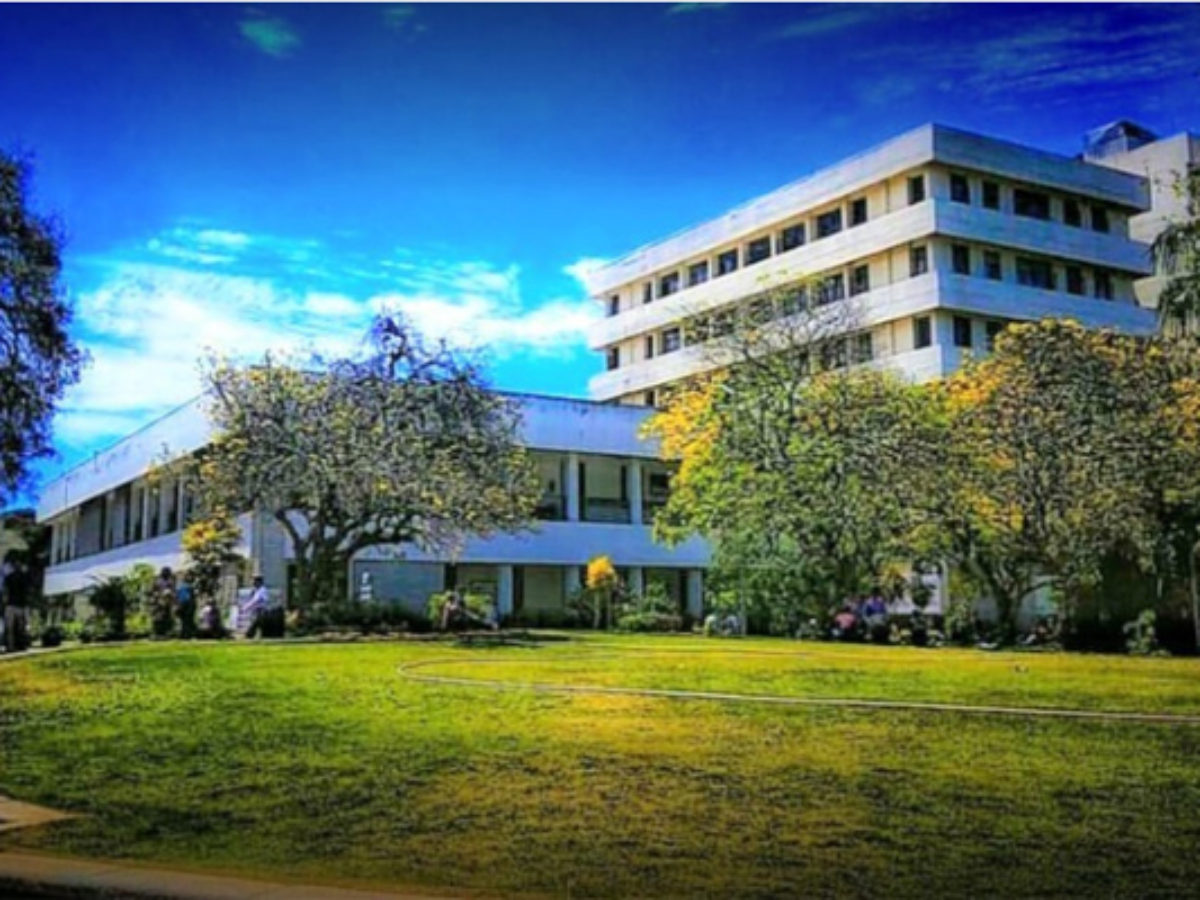
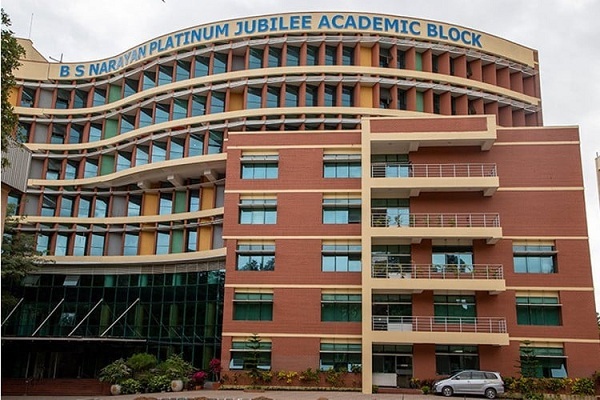
The BMSCE campus is a compact, urban campus with modernised classrooms, labs and student facilities, located in an established residential and educational hub of Bengaluru.

Academic & Research Facilities

  • Well-equipped labs across departments; multiple research centres with advanced equipment.
  • Classrooms with AV aids, projectors and Wi-Fi.
  • Central library with digital resources, journals and reading halls.
  • Data centre, seminar halls, auditoriums for conferences and events.
  • Green campus orientation with environmental & sustainability initiatives (e.g. ISO 14001).

Student Facilities

  • Hostels, canteen, common rooms and student activity areas.
  • Indoor & outdoor sports facilities; gym/multi-gym.
  • Clubs, fests and technical/cultural societies run by students.
  • On-campus support services and counselling.

As with any large, older campus, some blocks and amenities may feel more modern than others—student reviews often highlight good overall infrastructure but mixed experiences with specific hostels or canteens.

Placements, Internships & Industry Connections

BMSCE has a long-established Training & Placement Cell and enjoys strong visibility among recruiters from IT, product, core engineering, analytics and consulting sectors.

Placement Highlights

  • Core and IT/MNC companies visit the campus every year for internships and full-time roles.
  • Competitive average and highest packages, especially for high-demand branches (CSE, ISE, ECE, etc.).
  • Pre-placement training: aptitude, coding, soft skills, mock interviews and resume workshops.
  • Strong alumni base helps with referrals, mentorship and networking.

What to Keep in Mind

  • Placement outcomes and median CTCs vary significantly by branch and academic performance.
  • Some student feedback notes that not all branches see the same level of recruiter interest.
  • Students who actively build projects, internships and skills generally fare better.

When evaluating BMSCE, look at branch-wise placement data, not just the overall highest package.

Is BMS College of Engineering the Right Choice for You?

Overall, BMSCE is a strong option for students seeking a well-known, accredited engineering college in Bengaluru with a long legacy and good peer group. At the same time, it’s important to align expectations with your branch, quota and budget.

Where BMSCE Excels

  • Heritage, brand value and recognition across industry and academia.
  • Wide choice of engineering branches and research opportunities.
  • Strong accreditation (NAAC, NBA), autonomous status and VTU affiliation.
  • Good location in Bengaluru for internships, industry exposure and networking.

Things to Evaluate Carefully

  • Fees vs expected ROI, especially under management/NRI quotas.
  • Branch-specific placement records and competition for top roles.
  • Hostel/campus-life expectations vs actual reviews for your chosen campus block.
  • Your own academic preparation, coding skills and career goals.

If you are aiming for core engineering or modern CS-related branches and can meet the academic/fee requirements, BMSCE can be a very solid choice. For other situations, compare branch-wise data with peer colleges before deciding.

Need a Profile-Based Assessment for BMSCE?

Share your 10th, 12th and entrance exam scores with Promote Education to get a realistic view of your chances in BMS College of Engineering, along with branch suggestions, fee clarity and backup options in Bengaluru and other cities.

Get BMSCE Guidance

BMS College of Engineering Admission 2025 – Eligibility, Entrance Exams & Process

Admissions to BMS College of Engineering (BMSCE), Bangalore for B.E, M.Tech, MBA and MCA are primarily entrance-exam based through KCET, COMEDK, JEE Main, GATE, Karnataka PGCET, KMAT, CMAT and MAT, along with a limited management quota as per Karnataka government and college norms.

Location: Basavanagudi, Bengaluru (Karnataka) UG B.E: KCET / COMEDK / JEE (Paper I) + Counselling PG: GATE / PGCET / KMAT / CMAT / MAT (course-wise) Management & NRI Quota: Limited seats, higher fees

Undergraduate Engineering (B.E) Admission 2025

BMSCE offers B.E programmes in multiple branches (CSE, ISE, ECE, EEE, Mechanical, Civil, AI/ML, Data Science, and more). All admissions are routed through recognised entrance exams + counselling or through a limited management quota.

Basic Eligibility (B.E)

  • 10+2 / II PUC or equivalent with Physics & Mathematics as compulsory subjects.
  • One of Chemistry / Biology / Biotechnology / Computer Science / Electronics as the third subject.
  • Minimum aggregate as per current norms (typically 45% for General, relaxation for reserved categories).
  • Valid rank in KCET / COMEDK / JEE (Paper I) for the respective quota.

Admission Channels (B.E)

  • KCET (KEA): For Karnataka-domicile students under government quota.
  • COMEDK UGET: Common entrance for students from across India (and some KA seats).
  • JEE Main (Paper I): Considered in specific cases / branches as per BMSCE rules.
  • Management / NRI / Foreign Quota: Separate process, but entrance qualification usually required.

Cut-offs for BMSCE are highly competitive, especially for top branches like CSE, ISE, AI/ML, Data Science and ECE. Students should target strong ranks in KCET or COMEDK for a realistic chance.

Entrance Exams & Admission Channels – B.E (UG)

KCET Route (Karnataka Students)

  1. Appear for KCET conducted by KEA.
  2. Participate in KEA counselling after results.
  3. Choose BMS College of Engineering and preferred branches during option entry.
  4. Seat allotment based on KCET rank, category and preferences.
  5. Report to BMSCE for document verification & fee payment.

COMEDK / JEE & Other Routes

  1. Appear for COMEDK UGET (primarily for non-Karnataka students) or JEE (Paper I) where applicable.
  2. Register for COMEDK counselling and fill choices for BMSCE branches.
  3. Seat allotment based on rank, category and branch preference.
  4. Complete admission formalities at the institute: documents, fee, and undertaking.
  5. For select seats, management quota may use KCET / COMEDK / JEE ranks and institute-level counselling.

Management, NRI & Lateral Entry Admissions

Management Quota (B.E)

  • A fixed percentage of B.E seats are reserved under management quota.
  • Candidates must still meet eligibility + entrance exam norms (KCET / COMEDK / JEE as specified).
  • Fees are significantly higher than government-quota (CET) seats, especially for CSE/AI/DS branches.
  • Process usually via BMSCE’s admission/International division – application, profile review, counselling and confirmation.

NRI / Foreign / Lateral Entry

  • NRI / Foreign / PIO Quota: Limited seats with separate fee structures and documentation.
  • Lateral Entry (Diploma to B.E): Through dedicated CET / state entrance route for Diploma holders.
  • Eligibility typically includes a minimum percentage in Diploma and valid entrance route as per government rules.
  • Students must verify current-year policies from official BMSCE / KEA notifications.
Important: Management and NRI seats can be costly. Always compare fees vs branch-wise placements before opting for a high-fee quota.

PG Admissions – M.Tech, MBA & MCA

For postgraduate programmes at BMSCE, admissions are primarily through state and national-level exams followed by counselling.

M.Tech

  • Eligibility: B.E/B.Tech in relevant discipline with minimum required percentage.
  • Entrance Exams: GATE and/or Karnataka PGCET (branch-wise rules apply).
  • Admission via PGCET counselling or institute-level process for management seats.

MBA & MCA

  • MBA: Any Bachelor’s degree (min 50% – relaxed for reserved categories).
  • Entrance Exams: KMAT / CMAT / MAT / Karnataka PGCET (as per current norms).
  • MCA: Bachelor’s with required background in maths/CS + KMAT / PGCET.
Tip from Promote Education: For PG admissions, look beyond just getting a seat. Check specialisation, faculty, research exposure and placement track of that specific department.

BMSCE Admission – Step-by-Step Process (UG & PG)

1

Check Eligibility & Choose Course

Confirm you meet the 10+2 / degree and subject requirements for B.E, M.Tech, MBA or MCA, and shortlist preferred branches at BMSCE.

2

Appear in Relevant Entrance Exam(s)

Register for KCET / COMEDK / JEE (UG) or GATE / PGCET / KMAT / CMAT / MAT (PG) depending on your target course and quota.

3

Participate in Counselling

Take part in KEA / COMEDK / PGCET counselling. Fill in BMSCE and preferred branches with realistic choices based on expected cut-offs.

4

Seat Allotment & Reporting

If allotted a seat at BMSCE, report to the college within the given timeframe, carry all original documents and fee DD/online payment proof.

5

Document Verification & Fee Payment

Complete document verification (marks cards, rank card, category certificates, photos, ID proof, transfer/migration certificates, etc.) and pay the notified admission fees.

6

For Management / NRI Seats

Contact the BMSCE admission/International office, submit your entrance rank, academic records and proceed through institute-level counselling as per the latest notification.

Fees & Key Admission Notes

Fee structure at BMSCE varies sharply by branch and quota. Government-quota (KCET) seats are far more affordable than COMEDK and management seats.

  • CET (KEA) Seats: Typically in the range of government-approved fees (around ₹75,000 – ₹1,00,000+ per year, branch-dependent).
  • COMEDK Seats: Higher than CET fees; varies by branch and academic year.
  • Management Quota: Can go above ₹7–10+ lakhs per year for premium branches like CSE/AI/Data Science (approx, may change every year).
  • Hostel, mess, exam and other charges are generally billed separately.
Important: Always refer to the latest BMSCE fee circular and KEA/COMEDK notifications for the current-year fee. Use our Fee tab or talk to Promote Education for a fees vs placements vs ROI comparison before finalising.

BMSCE Admission – FAQs

Is there direct admission in BMS College of Engineering?

BMSCE does not offer “direct admission” without eligibility. However, there is a management quota where fees are higher but cut-offs may be lower. Entrance exam performance and basic eligibility still matter.

Which exam is best for BMSCE – KCET or COMEDK?

Karnataka-domicile students usually prefer KCET due to lower government-quota fees. Students from outside Karnataka commonly use COMEDK. Many students write both to maximise options.

Can I change branch after joining BMSCE?

Branch change (if allowed) follows college and VTU rules and depends on available vacancies and your academic performance. It is usually possible only after the first year and is highly competitive.

How can Promote Education help with BMSCE admissions?

We assist with exam & counselling strategy, realistic branch shortlisting, fee planning and backup options so you can take an informed call on BMSCE and similar top colleges in Bengaluru.

Want a Branch-Wise Admission Plan for BMSCE?

Share your 10th, 12th and entrance exam scores with Promote Education to get a clear picture of which branches at BMS College of Engineering are realistic for you under CET, COMEDK or management quota—plus comparison with other top colleges in Bangalore.

Get BMSCE Admission Counselling

BMS College of Engineering Courses 2025 – B.E, M.Tech, MBA, MCA & PhD

BMS College of Engineering (BMSCE), Bengaluru offers a wide spectrum of undergraduate, postgraduate and doctoral programmes in engineering, management and computer applications – from core branches like Mechanical and Civil to new-age courses in Artificial Intelligence, Data Science, Robotics and AI.

≈18+ B.E. / B.Tech programmes 13+ M.Tech / PG specialisations MBA, MCA & M.Sc (Engg by Research) Ph.D in most departments NAAC A++ & NBA-accredited programmes

Undergraduate Engineering Programs (B.E. / B.Tech)

BMSCE offers around 18 full-time B.E. programmes (4 years), covering both traditional and emerging engineering disciplines. All programmes are affiliated to VTU with choice-based, outcome-focused curricula.

Core Computing & IT Cluster

Computer Science, IT & Data Programs

High-demand computer science and information technology branches with strong placement trends and opportunities in product companies, IT services and startups.

  • B.E. in Computer Science & Engineering (CSE)
  • B.E. in Information Science & Engineering (ISE)
  • B.E. in Data Science (DS)
  • B.E. in Electronics & Computer Engineering (hybrid ECE–CSE)
  • Newer CS variants (AI/ML, Robotics & AI etc.) listed separately below.
4 years (8 semesters) Entrance: KCET / COMEDK / JEE (as per norms) Popular for product & IT roles
Most popular

New-Age & Emerging Technologies

AI, Machine Learning & Robotics

Industry-aligned programmes focusing on Artificial Intelligence, Machine Learning, Robotics and intelligent systems, combining strong CS fundamentals with advanced algorithms and tools.

  • B.E. in Artificial Intelligence & Machine Learning (AI & ML)
  • B.E. in Robotics & Artificial Intelligence (newer programme)
  • Related specialisations in Data Science / AI & DS through CS branches.
Project-driven learning AI/ML, DL, CV, NLP, Robotics High industry demand
New-age

Electronics, Electrical & Communication

ECE, EEE & Related Streams

Strong electronics and electrical programmes preparing students for roles in embedded systems, communication, VLSI, power systems and hardware–software integration.

  • B.E. in Electronics & Communication Engineering (ECE)
  • B.E. in Electrical & Electronics Engineering (EEE)
  • B.E. in Electronics & Instrumentation Engineering (EIE)
  • B.E. in Electronics & Telecommunication Engineering (ETCE)
  • B.E. in Medical Electronics
Core + VLSI + Embedded Electronics, telecom, healthcare tech
Electronics

Core Engineering

Mechanical, Civil & Industrial Programs

Classical engineering branches with opportunities in manufacturing, infrastructure, automotive and industrial operations, increasingly integrating automation and analytics.

  • B.E. in Mechanical Engineering (ME)
  • B.E. in Civil Engineering (CE)
  • B.E. in Industrial Engineering & Management (IEM)
  • B.E. in Automobile Engineering (AutoE)
  • B.E. in Aerospace Engineering (AE)
Design, manufacturing, structures Plant, automotive, infra roles
Core

Chemical, Bio & Interdisciplinary

Chemical, Biotechnology & Allied Branches

Interdisciplinary UG programmes at BMSCE that combine engineering with chemical processes, biology, healthcare and environment.

  • B.E. in Chemical Engineering (ChE)
  • B.E. in Biotechnology (BT)
Process & bioprocess industries Higher studies in core & bio domains
Interdisciplinary

Note: Exact list of B.E. branches and intake may change every year. Always confirm the current offerings and sanctioned intake from the official BMSCE website or latest prospectus.

Postgraduate Programs – M.Tech, MBA, MCA & M.Sc (Engg by Research)

BMSCE offers more than 13 postgraduate programmes across M.Tech specialisations, management and computer applications, designed to deepen technical expertise and leadership skills.

M.Tech (2-year PG Programmes)

M.Tech Engineering Specialisations

M.Tech at BMSCE focuses on advanced technical skills, research and industry projects under experienced faculty and active research centres.

  • M.Tech in Computer Science & Engineering
  • M.Tech in Machine Design
  • M.Tech in VLSI Design & Embedded Systems
  • M.Tech in Power Electronics
  • M.Tech in Manufacturing Science & Engineering
  • M.Tech in Construction Technology
  • M.Tech in Environmental Engineering
  • M.Tech in Digital Communication
  • M.Tech in Biomedical Signal Processing
  • M.Tech in Transportation Engineering
  • Other branch-specific PG specialisations (as per department list).
Entrance: GATE / Karnataka PGCET Thesis & project-driven
PG – M.Tech

Management & Computer Applications

MBA & MCA at BMSCE

Postgraduate programmes that build business, leadership and advanced computing skills with strong industry exposure and alumni networks.

  • MBA – Master of Business Administration (dual specialisation options in areas such as Finance, Marketing, HR, Operations, etc.).
  • MCA – Master of Computer Applications, a 3-year programme focusing on software development, systems design and applications.
Entrance: PGCET / KMAT / CMAT / MAT (MBA) Entrance: PGCET / KMAT (MCA)
MBA & MCA

Research-Focused Masters

M.Sc (Engineering by Research)

A research-centric programme offered in various engineering departments, ideal for students who want to combine industry practice with focused research before moving to a Ph.D or R&D roles.

  • Offered across multiple departments recognised as VTU research centres.
  • Involves problem identification, literature review, experiments and publication.
VTU-recognised research centres Pathway to Ph.D
Research

Doctoral Programs (Ph.D) at BMSCE

Almost all departments at BMSCE are recognised as VTU research centres, offering doctoral programmes in Engineering, Management and Computer Applications.

Ph.D & Research Ecosystem

Ph.D in Engineering, Management & MCA

Ph.D scholars work on interdisciplinary problems in areas such as AI/ML, Data Science, VLSI, Power Systems, Structures, Environment, IoT, Business Analytics and more, under experienced guides and funded projects.

  • Departmental research labs & centres of excellence.
  • Opportunities for publications, conferences and patents.
  • Collaboration with industries and research organisations.
VTU-registered Ph.D programmes Full-time & part-time options (as per norms)
Ph.D

How to Choose the Right Course & Branch at BMSCE

With so many B.E, M.Tech, MBA, MCA and Ph.D options, it’s important to align your choice with your strengths, interests and budget.

  • Check demand & placements: CS/IT, AI/ML, Data Science, ECE and allied branches have very high industry demand.
  • Consider core vs new-age: Mechanical, Civil, Chemical, BT and core branches offer strong fundamentals and long-term stability.
  • Plan for higher studies: If you aim for M.S abroad or research, choose branches with strong research output and labs.
  • Match with fees & quota: Popular CS/AI branches via high-fee quotas can be expensive – compare with your budget and ROI.

Promote Education can help you build a course–branch shortlist based on your marks, entrance exam results, budget and career goals.

Need Help Shortlisting the Best BMSCE Course for You?

Share your 10+2 / degree scores and entrance exam results with Promote Education to get a personalised list of B.E, M.Tech, MBA, MCA and Ph.D options at BMSCE – plus backup colleges with similar branches and better fee–placement balance.

Get Course & Branch Guidance

BMS College of Engineering Fee Structure – B.E, M.Tech, MCA & Hostel (Indicative)

Here is an indicative fee structure for BMS College of Engineering (BMSCE), Bengaluru covering B.E/B.Tech fees under KCET, COMEDK and Management quota, along with approximate PG and hostel costs. Actual fees are decided by BMSCE, VTU and Karnataka government notifications and may change every academic year.

Location: Basavanagudi, Bengaluru UG: KCET / COMEDK / Management quota PG: M.Tech, MCA, MBA Hostel + Mess: Extra

B.E / B.Tech Fee Structure – By Quota (Indicative)

BMSCE B.E/B.Tech fees depend heavily on the admission channel – government-quota (KCET), COMEDK or Management/NRI quota. The table below shows an approximate annual tuition range (excluding hostel and most one-time payments).

Undergraduate (B.E / B.Tech) – Approx Annual Tuition Fees

Quota / Admission Channel Approx Annual Tuition Fee Remarks
Karnataka CET (KCET – Government Quota) ₹65,000 – ₹85,000 / year* For Karnataka-domicile students via KEA counselling; branch-wise variation.
COMEDK UGET Quota ≈ ₹2,00,000 – ₹2,10,000 / year* For COMEDK candidates (all-India). Fees are higher than CET-quota seats.
Management Quota – Civil Engineering ≈ ₹3,50,000 / year* Approx management fee for Civil; exact amount may vary by batch.
Management Quota – Electronics & Communication (ECE) ≈ ₹6,00,000 / year* High-demand branch; fee is significantly above CET/COMEDK levels.
Management Quota – Computer Science (CSE core) ≈ ₹10,00,000 / year* Premium branch; fees can be very high under management quota.

*Figures are approximate and primarily for planning. Always confirm the current-year BMSCE fee circular before making decisions.

Postgraduate Fees – M.Tech & MCA

Postgraduate fees at BMSCE vary by course and specialisation. Below are indicative totals and per-year figures, excluding hostel and other living costs.

MCA & M.Tech – Indicative Fee Range

Course Approx Fee Details
MCA (Master of Computer Applications) ≈ ₹7,00,000 total
(≈ ₹3,50,000 / year)
2-year programme; fees may vary slightly by batch and quota (PGCET / KMAT / management).
M.Tech (various specialisations) ≈ ₹3,00,000 – ₹8,00,000 total* Total course fee depends on specialisation (e.g. VLSI & Embedded, CSE, Machine Design, etc.); some branches sit at the upper end of this range.

*Indicative for the full duration of the course. Exact amounts differ by branch, category and whether admitted via GATE / PGCET or management quota.

Hostel, Mess & One-Time Fees

In addition to tuition, students should plan for hostel, mess and one-time charges, especially when joining via management/NRI quota.

Hostel & Mess (Indicative)

Component Approx Annual Cost Remarks
Hostel Accommodation + Mess ≈ ₹1,20,000 / year* Varies by room type (single/shared), block, facilities and current-year policies.

*Excludes caution deposit, laundry, transportation and personal expenses.

One-Time Development / Donation & Other Charges

Fee Type Indicative Range Notes
Development / Admission / Donation (Management Quota) ≈ ₹2,00,000 – ₹12,00,000+* Applicable primarily for management / special quota seats; varies widely by branch (CSE, AI/ML, Data Science at the higher end).
Other Charges Variable May include university registration, exam fees, lab fees, student activities, etc.

*These amounts are highly variable, negotiated and subject to change. Always obtain the official fee breakdown in writing from the college at the time of admission.

Important Points About BMSCE Fees

  • Year & Policy Dependent: Fees are typically revised every academic year based on government and institutional decisions.
  • Quota Impact: The same branch can cost 3–10x more under management quota compared to CET quota.
  • Branch Matters: High-demand branches like CSE, AI/ML, Data Science, ECE generally have higher management fees.
  • Total Cost of Study: Plan for tuition + hostel + mess + books + personal expenses when budgeting.
  • Official Sources: Always confirm fees via the latest BMSCE fee notifications, KEA/COMEDK documents and admission office.
Disclaimer: The figures listed here are approximate and for informational purposes only. Promote Education does not fix or control college fees. Students and parents must verify exact amounts, due dates and refund policies directly with BMSCE.

Need Help Comparing BMSCE Fees with Other Top Colleges?

Share your budget, entrance exam route and preferred branches with Promote Education. We’ll help you understand CET vs COMEDK vs Management costs, plus alternative colleges with similar placements at a lower fee.

Get Personalised Fee Guidance

BMS College of Engineering Placements 2025 – Highest Package, Average CTC & Top Recruiters

BMS College of Engineering (BMSCE), Basavanagudi, Bengaluru records consistently strong placements, especially for branches like CSE, ISE, AI & ML, Data Science and ECE. The 2025 placement drive has seen a highest package of ₹51.5 LPA and an overall average package of around ₹11.4 LPA, with over 1,300 offers made by 380+ companies.

Highest Package (2025): ~ ₹51.5 LPA Average Package (2025): ~ ₹11.4 LPA Offers (2025): ~ 1,307+ Companies (2025): ~ 383 Strong for CS / AI / DS / ECE
₹51.5 LPA
Highest CTC (2025)
₹11.4 LPA
Average CTC (2025)
968
Students Placed (2025, so far)
383
Recruiting Companies (2025)

BMSCE Year-wise Placement Statistics (2023–2025)

The table below summarises recent BMSCE placement trends. Numbers are rounded and indicative for counselling guidance; always refer to the latest official report for exact figures.

Year Highest Package Average Package Students Placed Offers Made Companies Visited
2025* (ongoing) ≈ ₹51.5 LPA ≈ ₹11.4 LPA ≈ 968 (UG+PG) ≈ 1,307 ≈ 383
2024 ≈ ₹38 LPA ≈ ₹9.8 LPA ≈ 989 ≈ 1,180 ≈ 347
2023 ≈ ₹33.1 LPA ≈ ₹10.0 LPA ≈ 1,095 ≈ 1,192 ≈ 357

*2025 placements are still in progress; final numbers may be slightly higher by the end of the season.

Top Recruiters & Hiring Sectors at BMSCE

BMSCE attracts a diverse recruiter base across software, product, consulting and core engineering. Most high-paying roles cluster around software, data and electronics profiles.

Software, IT Services & Product Development
~40%
AI / ML / Data Science & Analytics
~25%
Electronics, ECE & Hardware / Embedded
~20%
Core / Mechanical / Civil & Others
~15%

Distribution above is approximate and varies by batch/branch; CSE, ISE, AI/ML, Data Science and ECE typically see the maximum offers and higher CTCs.

Top Recruiters (Recent Drives)

  • Big Tech & Product: Amazon, Adobe, Microsoft, Oracle
  • IT & Services: Infosys, Wipro, TCS, Accenture, IBM, Capgemini, Cognizant
  • Consulting / Big 4: Deloitte, EY, KPMG, PwC (varies by year)
  • Core / Engineering: Bosch, Siemens, Qualcomm, Philips and other domain-specific firms
Software Engineer Data / ML Engineer Product / SDE Systems / DevOps VLSI / Embedded Core Engineering Roles

Domains with Strong Hiring

  • Software & IT: Full-stack, backend, cloud, enterprise platforms.
  • AI, ML & Data Science: Especially for AI/ML, CSE, DS and related branches.
  • Electronics & Communication: Embedded, telecom, chip design, hardware-software co-design.
  • Core Engineering: Mechanical, Civil, Industrial roles – more branch-and market-dependent.

Students from new-age branches (AI/ML, DS, Robotics & AI) and core CS streams generally see the highest number of product and data-oriented offers.

What the Numbers Really Mean – Strengths & Challenges

BMSCE’s placement headlines look impressive, but it’s crucial to understand how those numbers are distributed across branches and students.

Strengths

  • High peaks: Recent highest CTCs in the range of ₹33–51.5 LPA show that top performers in strong branches can land excellent roles.
  • Healthy averages: Overall averages of around ₹9.8–11.4 LPA in the last 2–3 years indicate good outcomes for many students.
  • Strong recruiter pool: 340–380+ companies visiting each year, spanning software, product, analytics and core sectors.
  • Good placement ratios: Many branches report 80–90%+ placement, especially in CSE, ISE, AI/ML and ECE when combined with internships and good CGPA.

Challenges & Things to Note

  • Outlier packages: The highest package (₹38–51.5 LPA) is usually for a very small number of students in top branches.
  • Realistic expectation: Many offers fall in the ₹5–8 LPA range, especially for non-CS/non-IT and some core branches.
  • Branch-wise variation: Placement percentage and CTC can be significantly lower in certain branches compared to CSE/AI/DS.
  • Intake expansion: Increased seats in popular branches mean more competition for premium roles.

How BMSCE Students Can Improve Placement Outcomes

From student feedback and recruiter patterns, these factors consistently help unlock better offers and roles at BMS College of Engineering:

Skills & Preparation

  • Internships & Projects: Start early – target at least one solid internship and 2–3 good projects by pre-final year.
  • Coding & DSA: For software roles, strong DSA, problem solving and system design basics are non-negotiable.
  • Tools & Tech: Hands-on experience with relevant stacks (e.g., Python/Java, web frameworks, ML libraries, CAD/CAE tools, etc.).
  • Soft Skills: Communication, presentations, group discussions and interview etiquette matter a lot.

Campus Resources & Networking

  • Use the Training & Placement Cell sessions for aptitude, GD and mock interviews.
  • Participate in hackathons, coding contests, clubs and technical fests.
  • Leverage the alumni network for referrals, mentorship and profile reviews.
  • Maintain a good CGPA, but also build a visible portfolio (GitHub, LinkedIn, projects).

In short, BMSCE gives strong placement opportunities—students who combine the college brand with strong skills and internships typically land the best roles.

Want Branch-wise BMSCE Placement Insights?

Share your entrance rank, preferred branches and budget with Promote Education to get a realistic picture of branch-wise placements, CTC ranges and ROI at BMS College of Engineering—plus alternative colleges with similar outcomes.

Get BMSCE Placement Guidance

BMS College of Engineering Facilities – Campus, Hostels, Library & Sports

BMS College of Engineering (BMSCE), Basavanagudi, Bengaluru offers a compact but well-equipped urban campus with smart classrooms, 130+ laboratories, a large central library, strong IT infrastructure, hostels, sports facilities and student amenities supporting both academics and campus life.

≈ 11+ acre urban campus 137+ laboratories 45,000+ sq ft central library 10 Gbps intranet • 2.9 Gbps internet Separate hostels for boys & girls Indoor & outdoor sports facilities

Campus Infrastructure – At a Glance

BMSCE has invested in modern teaching, lab, hostel and IT facilities while maintaining its heritage campus in Basavanagudi. Here is a snapshot of the major infrastructure and core facilities.

Facility Highlights
Campus Area & Buildings Campus spread over about 11 acres + 30 guntas with a built-up area of approximately 98,545 sq. m, housing academic blocks, labs, hostels and amenities.
Classrooms & Smart Classrooms Around 116 classrooms, many of them equipped with ICT-enabled teaching aids such as projectors, audio systems and AV tools for interactive learning.
Laboratories & Research Labs Approximately 137 laboratories across departments, including core labs, specialised research labs and industry-sponsored centres for hands-on experiments and projects.
IT & Data Infrastructure Campus-wide intranet with 10 Gbps backbone and about 2.9 Gbps leased line internet; ~3,150 computers, 11+ high-end blade servers and 400+ printers. Wi-Fi and LAN connectivity in labs, library and many academic spaces.
Central Library & E-Resources A ~45,200 sq. ft central library with seating for around 680 students, holding approximately 1.56 lakh volumes and 48,000+ titles. Access to e-journals, e-books, digital repositories (NDL, N-List) and NPTEL resources; fully automated with barcode & OPAC.
Placement & Training Cell Dedicated Training & Placement Centre active since the mid-1990s, offering aptitude/soft-skill training, mock interviews and strong industry connect that supports BMSCE’s double-digit average CTCs in recent years.

Academic, Digital & Learning Facilities

Classrooms, Labs & Teaching Spaces

BMSCE’s academic blocks are geared towards outcome-based, project-centric learning.

  • 116+ classrooms – many smart classrooms with projectors and AV systems.
  • 137 laboratories – covering core engineering, new-age domains and basic sciences.
  • Industry-funded and specialised labs for AI/ML, VLSI, embedded systems, robotics, structures, environment and more.
  • Seminar halls and auditoriums for guest lectures, FDPs, conferences and fests.

Library, Digital Access & E-Learning

The central library acts as a 24×7 academic backbone for students preparing for exams, projects, GATE and higher studies.

  • ~45,200 sq. ft library with quiet reading zones, reference sections and discussion spaces.
  • Holdings of ~1.56 lakh volumes and 48,000+ titles across engineering, management and interdisciplinary areas.
  • Subscriptions to national & international journals, e-journals, databases and e-books.
  • Access to National Digital Library, N-List, NPTEL video lectures and digital repositories.
  • Fully automated library with barcode-based circulation and OPAC search.

IT Infrastructure & Connectivity

Strong IT backbone supports labs, online learning, coding platforms and placements.

  • 10 Gbps intranet backbone with about 2.9 Gbps leased line internet.
  • ~3,150 computers distributed across labs, centres and offices.
  • ~11 high-end blade servers and hundreds of printers for academic and administrative use.
  • Wi-Fi and LAN connectivity in labs, library and many academic areas; intranet access to learning resources.

Hostels, Residential & Student Support Facilities

BMSCE provides dedicated boys’, girls’ and international students’ hostels with a total capacity of around 2,900+ students, along with everyday amenities to support outside students.

Hostel Capacity & Amenities

  • Separate hostels for boys, girls and international students.
  • Total capacity of approximately 2,914 students across different hostel blocks.
  • Facilities include reading rooms, TV/common rooms, Wi-Fi, gym/multi-gym and spacious dining halls.
  • Mess with modern kitchen for hygienic food preparation.

Room Features & Utilities

  • Mix of single and shared rooms; some with attached bathrooms, others with common washrooms.
  • RO drinking water, washing machines, and regular housekeeping.
  • 24×7 power backup with DG sets and solar water heaters in some units.
  • 24×7 Wi-Fi access in hostel blocks; two-wheeler parking in many hostels.

Health, Dining & Everyday Support

  • On-campus health centre / first-aid facilities for students.
  • Cafeteria and multiple food options for day scholars and hostellers.
  • Basic campus utilities: banking/ATM access, stationery, photocopy, etc. nearby.
  • Support from wardens and student welfare units for residential issues.

Sports, Fitness & Campus Life

Despite being an urban campus, BMSCE offers a variety of indoor and outdoor sports facilities and spaces for cultural activities, helping students balance academics with holistic development.

Sports & Recreation

  • Outdoor courts and grounds for basketball, volleyball, badminton, kabaddi, handball, netball and more.
  • Indoor facilities for table tennis, chess, carrom and other games.
  • Gym / multi-gym facilities available for both hostellers and day scholars.
  • Annual sports events, university tournaments and inter-college competitions.

Auditoriums, Halls & Activity Spaces

  • Auditoriums and seminar halls for fests, technical events, workshops and guest lectures.
  • Conference rooms for project reviews, viva, placement drives.
  • Cultural clubs and student associations organising tech fests, cultural festivals and hackathons.

Utilities, Safety & Sustainability

BMSCE has invested in reliable utilities and green initiatives to support campus operations and student well-being.

Power, Internet & Safety

  • DG sets and UPS backups to minimise disruption during power cuts.
  • Campus-wide Wi-Fi and wired connectivity for academic and administrative blocks.
  • Fire safety systems and basic emergency protocols in buildings.
  • Secure campus with controlled access to hostels and academic blocks.

Green Campus & Sustainability

  • Rainwater harvesting and water management initiatives.
  • Use of solar energy (including solar water heaters in hostels).
  • Landscaped areas and tree cover contributing to a greener campus feel.

Student Perspective on BMSCE Facilities

Overall, student reviews about BMSCE infrastructure are positive, particularly for labs, library and IT facilities. At the same time, there are a few recurring observations to keep in mind:

  • Some students feel the campus size is relatively small compared to the high intake, typical of urban campuses.
  • Hostels are generally rated as good, but demand is high – not everyone gets an on-campus room from first year.
  • Mess food is usually described as clean but average; preferences vary by student.
  • Experience can differ by hostel block and room type; visiting or taking a virtual tour helps set realistic expectations.

Promote Education helps you interpret these facilities in the context of fees, location and your expectations, and compares BMSCE with other Bengaluru colleges in your shortlist.

Want to Compare BMSCE Facilities with Other Bangalore Colleges?

Share your target branch, budget and hostel preference with Promote Education to get a practical comparison of campus, hostels, labs, sports and day-to-day life at BMSCE and similar institutes.

Get Campus Facilities Guidance

BMS College of Engineering Facilities – Campus, Infrastructure & Hostels

BMS College of Engineering (BMSCE), Basavanagudi, Bengaluru offers a compact but well-equipped campus with modern classrooms, laboratories, central library, IT infrastructure, hostels, sports facilities and student amenities to support engineering education and research.

Campus: ~11+ acres (urban) 137 laboratories Central library – 1.5L+ volumes Hostel capacity: ~2,900+ students 10 Gbps intranet + 2.9 Gbps internet Sports, gym & multi-purpose halls

Key Infrastructure & Facilities at BMSCE

The table below summarises the core BMSCE campus facilities – academic infrastructure, library, IT resources, hostels and student support systems. These figures are indicative for recent years and give a realistic picture of what you can expect on campus.

Facility Category Details & Highlights
Campus & Built-up Area Urban campus of about 11 acres + 30 guntas with an approximate built-up area of 98,545 sq. m. Though compact compared to some outer-ring campuses, it is located in the heart of Basavanagudi, Bengaluru, offering good city connectivity.
Classrooms & Smart Rooms Around 116 classrooms, many equipped with ICT facilities (projectors, audio-visual systems, Wi-Fi). Multiple seminar halls and conference rooms support workshops, guest lectures and events.
Laboratories Approximately 137 laboratories, including department labs, research labs, industry-sponsored and centre-of-excellence labs. Labs span core mechanical, civil, electrical, electronics, computer science and emerging domains like AI/ML, IoT and robotics.
IT & Network Infrastructure Campus-wide intranet with 10 Gbps backbone and about 2.9 Gbps leased-line internet. Around 3,150 computers, 11+ high-end blade servers and nearly 485 printers support academic and research computing.
Library & Digital Resources A central library of nearly 45,200 sq. ft. with seating for about 680 students, housing ~1,56,000+ volumes and over 48,000 titles. Access to e-journals, e-books, NPTEL lectures, National Digital Library, N-LIST and other digital repositories. Fully automated with barcode & OPAC.
Training & Placement Cell Dedicated Training & Placement Centre active since the mid-1990s, conducting pre-placement training, aptitude tests, mock interviews and soft skills sessions. Hosts hundreds of campus recruiters from software, core and consulting sectors every year.
Hostels & Residential Separate hostels for boys, girls and international students with a combined capacity of around 2,914 students. Facilities include reading rooms, TV rooms, internet access, gym, spacious dining halls and modern kitchen-equipped mess.
Sports & Recreation Indoor and outdoor sports facilities for basketball, volleyball, badminton, table tennis, chess, kabaddi, handball, netball and more. Gym / multi-gym for hostellers and day scholars, plus auditoriums and open spaces for cultural fests and student clubs.
Utilities & Safety Campus-wide Wi-Fi, power backup (DG sets & UPS), rainwater harvesting, solar energy use, health centre/medical support, fire safety systems and CCTV in critical zones.

Academic, Residential & Recreational Facilities – A Closer Look

Academic & Learning Infrastructure

BMSCE’s academic blocks are designed to support engineering, management and research programmes with technology-enabled classrooms and specialised labs.

  • 116+ classrooms with projectors, screens and AV systems for interactive teaching.
  • 137 laboratories across departments, including R&D and industry-funded labs.
  • Central library + department libraries with books, journals, e-resources and project repositories.
  • Campus intranet, high-speed internet and licensed software for academic & research use.

Hostel & Residential Facilities

On-campus hostels are a major attraction for outstation students, offering a structured residential environment close to the academic blocks.

  • Separate hostels for boys, girls and international students, capacity ~2,914.
  • Facilities such as reading rooms, TV rooms, Wi-Fi, gym and spacious dining halls.
  • Rooms generally include RO drinking water, washing machines, power backup and solar water heaters in some blocks.
  • Mixture of attached and common bathrooms depending on room type; limited parking for two-wheelers.

Sports, Recreation & Other Amenities

Despite being an inner-city campus, BMSCE maintains good sports and recreational options to support student wellness and campus life.

  • Outdoor courts/fields for basketball, volleyball, kabaddi, handball, netball and more.
  • Indoor games including badminton, table tennis and chess.
  • Gym / multi-gym facilities in hostels and/or campus buildings.
  • Auditoriums, seminar halls, conference rooms and cafeterias for events, clubs and fests.

Utilities, Safety & Student Perspective

Utilities, Health & Sustainability

BMSCE combines core utilities with a growing focus on sustainability and safety.

  • Power backup through DG sets and UPS for labs, servers and critical facilities.
  • Campus and hostels with Wi-Fi connectivity and wired LAN where needed.
  • On-campus health centre / medical facilities for basic care and emergencies.
  • Rainwater harvesting, solar energy initiatives and green campus elements.
  • Fire safety equipment and protocols as per institutional and local guidelines.

Student Feedback – Pros & Caveats

Student reviews of BMSCE facilities are largely positive, but there are some practical points to keep in mind.

  • Many students appreciate the well-maintained classrooms, labs and library, especially considering the college’s central Bengaluru location.
  • Some feel the campus area is relatively small for the overall intake, so open spaces can get crowded during peak hours.
  • Hostels are generally rated good, but demand is high – not all students get on-campus accommodation in the first year.
  • Mess food is often described as clean but average; taste and variety depend on personal preference.

Overall, BMSCE offers strong academic infrastructure and decent residential facilities for an urban engineering campus. Your experience will depend on the specific hostel block, branch and how actively you use the labs, library and campus resources.

Confused About BMSCE Facilities vs Other Bangalore Colleges?

Talk to Promote Education for an honest comparison of hostels, labs, sports, library and campus life at BMS College of Engineering and similar Bengaluru institutes – matched to your budget and expectations.

Get BMSCE Facilities Guidance

4.9 1 reviews

  • Academics
    5.0
  • Campus Life
    4.8
  • Facilities
    5.0
  • Placement
    5.0
  • Financial Aid
    4.8
  • Location
    4.9
Saravanan Narayanasamy September 2025

Amazing college and green environment. It is run by Private Trust and has a reputation of educating 3 generations ( 70+years). It is ranked one of the top 5 engineering colleges in India. Admission possible through KCET and management quota. Good number of companies visit and place students. Very good hostal facility available.

BMS College of Engineering FAQs

  • Is BMS College of Engineering a good college?

    Yes. BMSCE is one of India’s top private engineering institutions with NAAC A++ accreditation, NBA-accredited programs, strong placements, industry exposure, and a long-standing academic reputation since 1946.

  • What is the admission process for BMSCE?

    Admissions are primarily through KCET (state quota), COMEDK (all-India quota), or management quota. After receiving exam ranks, students participate in counseling, choose branches, submit documents, and confirm seats through fee payment.

  • What is the cutoff for BMSCE?

    Cutoffs vary by branch and exam. Highly demanded branches like CSE, ISE, AI & ML, and ECE have significantly higher cutoffs, whereas core branches like Civil or Mechanical are comparatively easier to secure.

  • What are the fees for BMSCE engineering programs?

    Fees differ by quota: - KCET: ₹65,000–₹85,000 per year - COMEDK: Approximately ₹2,00,000 per year - Management Quota: ₹3.5 lakh to ₹10+ lakh per year depending on branch

  • How are placements at BMSCE?

    BMSCE has excellent placement performance. Recent drives saw a highest package of ~₹51.5 LPA, an average package around ₹11.4 LPA, and 300+ recruiters such as Amazon, Microsoft, Deloitte, Bosch, and Oracle.

  • Which engineering branches offer the best placements?

    Branches with the highest salaries and most opportunities include: - Computer Science Engineering (CSE) - Information Science Engineering (ISE) - Artificial Intelligence & Machine Learning (AI/ML) - Electronics & Communication Engineering (ECE) - Data Science

  • Does BMSCE provide hostel facilities?

    Yes. BMSCE has separate hostels for boys, girls, and international students, offering amenities like Wi-Fi, study rooms, TV rooms, mess facilities, gyms, power backup, and 24×7 security.

  • How is the infrastructure at BMSCE?

    The campus includes 137 laboratories, 116 ICT-enabled classrooms, a 45,000 sq. ft. central library, high-speed 10 Gbps intranet, auditoriums, sports facilities, and dedicated research centers.

  • Are scholarships available at BMSCE?

    Yes. Scholarships are available through government schemes, merit-based awards, minority scholarships, and concessions for eligible students based on KCET rank and academic performance.

  • Is BMSCE an autonomous college?

    Yes. BMSCE is autonomous under VTU. It designs its own curriculum, conducts independent examinations, and the final degree is awarded by Visvesvaraya Technological University (VTU).