Heritage Institute of Technology

  • West Chowbaga Rd, Anandapur, Mundapara, Kolkata, West Bengal 700107
  • 4.6/5 (1 Reviews)
  • Private Institute - Estd. 2001

Heritage Institute of Technology (HITK), Kolkata — Overview

Heritage Institute of Technology is an autonomous engineering institution in Kolkata, affiliated to MAKAUT, West Bengal. This overview helps you understand the institute’s academic ecosystem, approvals, programs, campus advantages, and who it’s best suited for.

Autonomous Institution Affiliated to MAKAUT (WB) NAAC Accredited (A Grade) AICTE EOA (B.Tech/M.Tech/MCA) Founded: 2001 Location: Anandapur, Kolkata

Quick Facts (at a glance)

A snapshot for students/parents to evaluate institute fit quickly—status, recognition, campus base, and program breadth.

Institution Type Autonomous (MAKAUT-affiliated)
Founded 2001
Accreditation NAAC (A Grade)
National Visibility NIRF Engineering band (2022: 201–250)
Note: Rankings/approvals can update over time—always verify the latest notices on the official website before final decisions.

About Heritage Institute of Technology (HITK)

Heritage Institute of Technology was founded by Kalyan Bharti Trust (KBT) with the objective of building a strong center of academic excellence in Eastern India. Over time, the institute has expanded its program portfolio and academic infrastructure, with a focus on industry-relevant learning, research exposure, and student development.

Best suited for
Students who want a structured engineering journey with strong academic discipline, lab-based learning, and consistent campus activities.
Good if you prefer
Kolkata-based campus advantage, MAKAUT ecosystem, and a broad range of core + computing branches.

Approvals, Accreditation & Recognition

When comparing colleges, approvals and accreditation matter because they reflect compliance, quality processes, and outcome-based improvements. Here’s what to know for HITK.

  • Autonomous status: The institute is listed as an autonomous institution affiliated to MAKAUT, West Bengal.
  • NAAC: The institute is shown as accredited with ‘A’ Grade (effective from July 2022 on the institute header).
  • AICTE approvals: The institute publishes AICTE EOA links for B.Tech/M.Tech and MCA programs.
  • NBA track record (program-based): The NAAC SSR documents multiple rounds of NBA accreditation across UG/PG programs (historical timeline).
  • NIRF listing: HITK appears in the NIRF Engineering 2022 band list (201–250).
Tip: For branch-level decisions (CSE/IT/ECE etc.), prefer NBA status (program accreditation) + current department outcomes (internships/projects) for a more practical evaluation.

Programs Snapshot (What you can study)

HITK lists a broad set of undergraduate and postgraduate programs. Below is a practical snapshot of popular pathways students choose.

Undergraduate (B.Tech) — Common Choices
  • Computer Science & Engineering (CSE)
  • CSE (AI & Machine Learning)
  • CSE (Data Science)
  • CSE (IoT & CS)
  • Information Technology (IT)
  • Electronics & Communication Engineering (ECE)
  • Electrical Engineering (EE)
  • Mechanical Engineering (ME)
  • Civil Engineering (CE)
  • Chemical Engineering (ChE)
  • Biotechnology (BT)
  • Applied Electronics & Instrumentation Engineering (AEIE)
  • Computer Science & Business Systems (CSBS)
Postgraduate / Other Programs
  • M.Tech (as per department offerings; includes CSE/ECE/AEIE/BT etc. as listed on site)
  • VLSI (M.Tech) — shown under ECE program listings
  • MCA (Master in Computer Application)
  • B.Des (Bachelor of Design)
For seat matrix, eligibility, and admission mode, use the official Admission tab + counselling guidance from Promote Education.

Campus & Location Advantage (Anandapur, Kolkata)

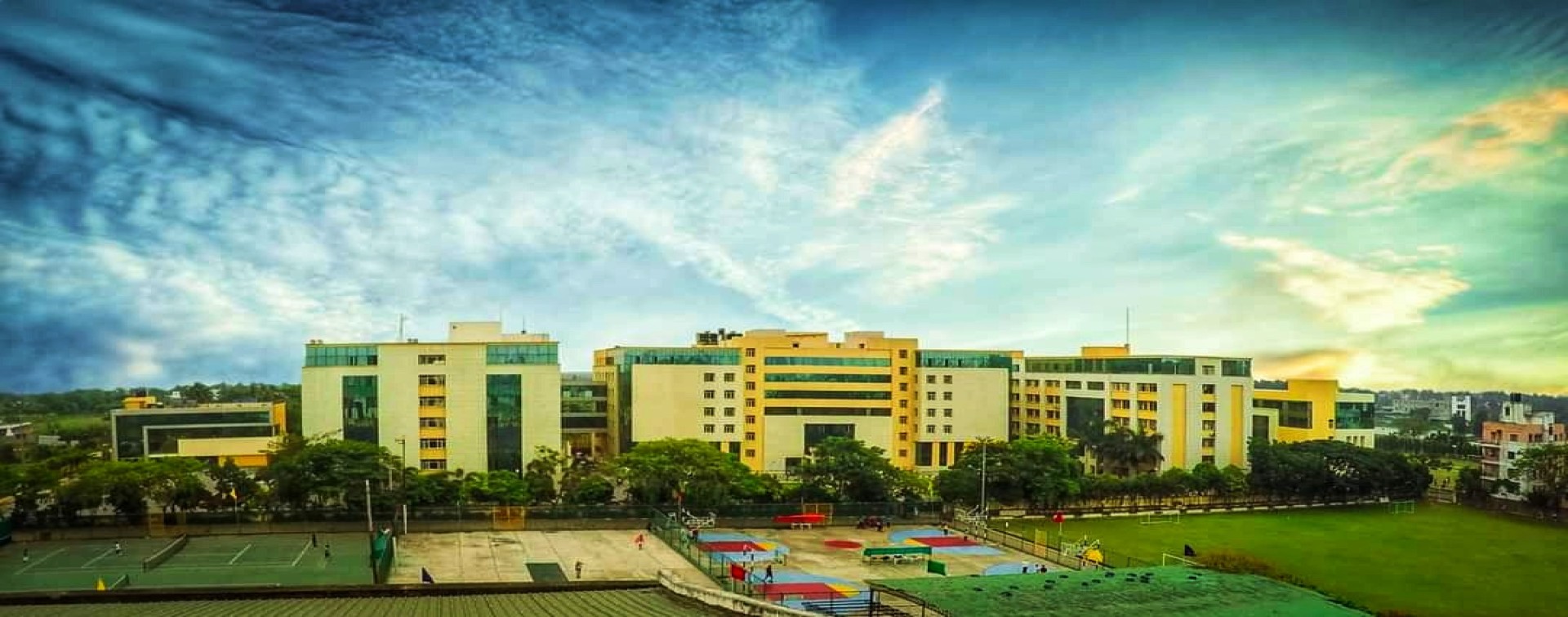
The campus is in Anandapur (East Kolkata Township) on Chowbaga Road—positioned near key city connectors and major landmarks. This location helps students with daily commute, access to urban resources, and industry exposure across Kolkata.

  • Address: Chowbaga Road, Anandapur, East Kolkata Township, Kolkata 700107
  • Landmark/Connectivity (as described by the institute): near Ruby General Hospital and between key arterial routes (Eastern Metropolitan Bypass and Basanti Highway side).
Student tip: If you’re commuting daily, shortlist based on travel time in peak hours. If you’re opting for hostel, compare room rules, mess, and study timings with your lifestyle.

Learning Resources & Infrastructure (What supports your academics)

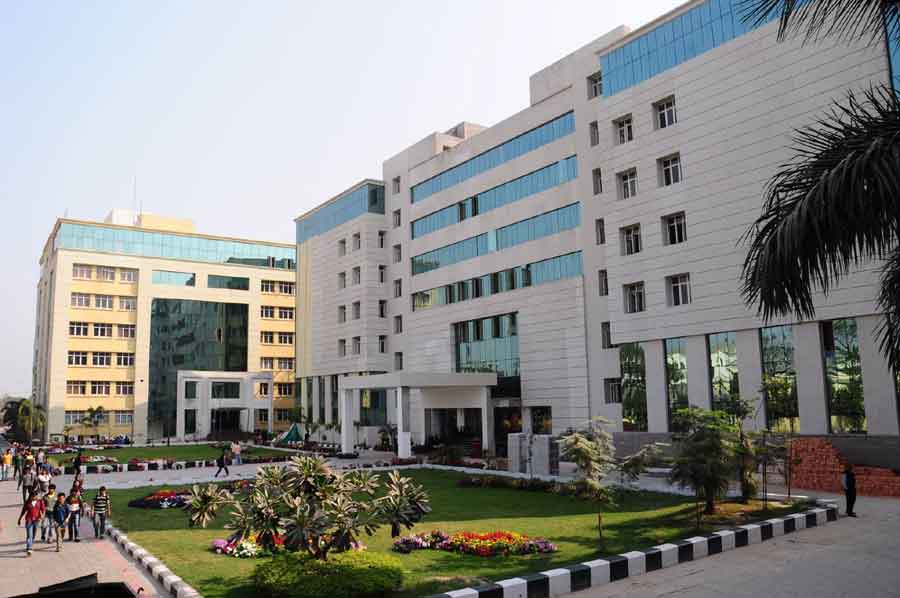
A strong engineering experience depends on labs, learning spaces, and consistent access to library + computing. In the NAAC Self Study Report, HITK reports a large academic infrastructure designed around lab-based learning and classroom delivery.

Academic Infrastructure (as reported in NAAC SSR)
  • Multiple laboratories, classrooms, tutorial rooms and seminar halls
  • Indoor auditorium (reported seating capacity: 500)
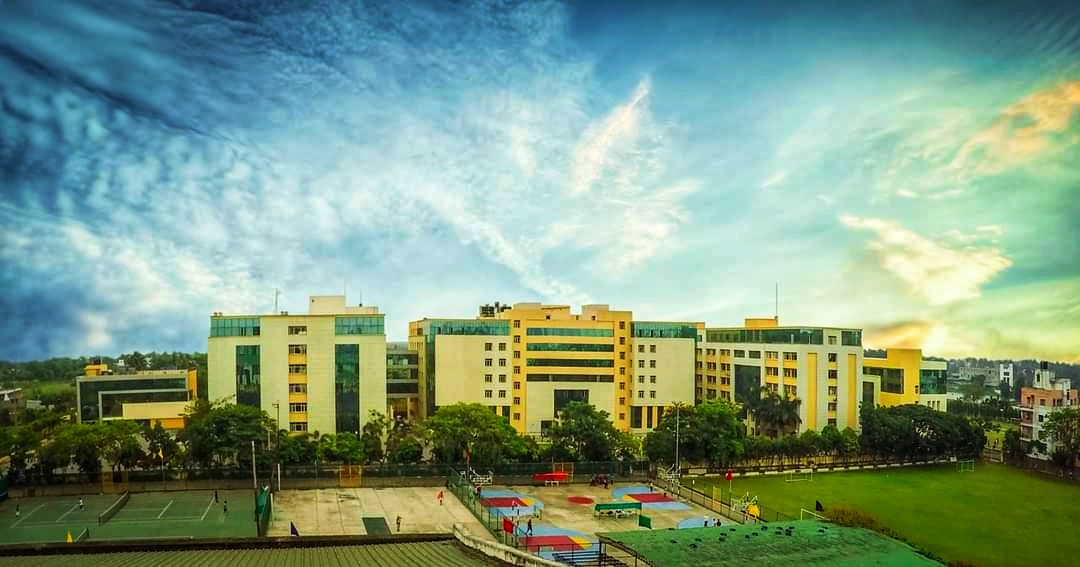
  • Playground and green campus setting
Library & Digital Learning (as reported in NAAC SSR)
  • Large library area and reading capacity
  • Print + e-resources including journals and databases (reported in SSR)
  • Use of technology stack / LMS references in SSR narrative
Note: Quantitative counts (labs/books/journals) can change every year. If you want the latest, we can cross-check the newest institute reports and updates.

Student Life: Clubs, Activities & Personal Development

Beyond academics, students typically look for opportunities to build confidence—clubs, events, leadership roles, social initiatives, and peer learning. The institute’s NAAC documentation mentions student involvement through activities like Rotaract and NSS, including community initiatives.

Technical clubs & competitions Seminars & workshops Entrepreneurship & pre-incubation exposure Community / social initiatives (NSS/Rotaract) Mentoring & counselling ecosystem
If you’re aiming for top product companies or core engineering roles, choose clubs/projects that align with your branch (DSA + projects for CSE/IT, circuits + embedded for ECE/AEIE, CAD + manufacturing for ME, etc.).

Career Readiness: Training, Skills & Placement Support

HITK lists a dedicated Training & Placement ecosystem on the website navigation (Recruitments, Summer Training, Soft Skills & Other Training, and Training & Placement Office). For students, the key is to use these resources early—build projects, internships, and interview readiness from the 2nd year onward.

  • What to do early: Projects + GitHub + internships + aptitude + communication practice
  • What to track: Recruiter mix, role types, internship conversions, and branch-wise outcomes
  • Best approach: Shortlist roles (core/software/analytics) and build a 6–12 month plan
Want a realistic roadmap? Promote Education can help you map your profile to the right branch + admission mode + career track.

Confused between branches / quota / counselling steps?

Get a short, practical counselling call: eligibility check, branch shortlisting, and document checklist—based on your rank/budget and career goal.

Page: /colleges/heritage-institute-of-technology (Promote Education)
Get Free Counselling

Admissions at Heritage Institute of Technology (HITK), Kolkata

This tab explains how admissions typically work for B.Tech, M.Tech and MCA at HITK—what entrance exam you need, how counselling/selection happens, and what documents you should keep ready.

Primary route: WBJEEB counselling WBJEE + JEE(Main) combined counselling B.Tech seat split: WBJEE / JEE(Main) / Mgmt MCA: JECA M.Tech: PGET/MAKAUT + Institute test EWS / TFW rules apply (as per authority)

Admission routes at a glance

Choose the path that matches your target program. If you’re unsure, Promote Education can help you map your exam + category + branch preferences to the right route.

B.Tech (UG)

  • Entrance exams used: WBJEE / JEE(Main) (as per WBJEEB counselling).
  • Also available: Seats under Management Quota (with valid rank, as per institute note).
  • How selection happens: Centralized online counselling: registration → choice filling → allotment → reporting.

MCA (PG)

  • Entrance exam used: JECA (WBJEEB).
  • How selection happens: WBJEEB allotment + reporting at college for verification & fees.

M.Tech (PG)

  • Typical route: PGET/MAKAUT process + institute-level steps.
  • Important note: Even candidates with valid GATE score may be required to appear for an institute test (as mentioned by the institute).

Where to track official updates

  • WBJEEB counselling portal: registration, choice filling, allotment & seat acceptance fee are online.
  • Institute notices: reporting dates, reporting instructions, and fee payment windows after allotment.

B.Tech admission process (WBJEE / JEE Main)

WBJEEB runs one combined counselling for WBJEE and JEE(Main) rank holders. The full process—registration, choice filling, allotment and seatd acceptance fee payment—is done online through a centralized system.

1

Confirm eligibility & appear for the entrance exam

Write WBJEE and/or JEE(Main) and ensure you have a valid rank for counselling.

2

Register for WBJEEB e-counselling

Registration is mandatory to be considered for seat allotment. Keep personal + academic details and a working phone/email ready.

3

Choice filling & locking

Shortlist branches based on your goals (CSE/IT/ECE/core) and fill choices in the order you truly prefer.

4

Seat allotment + upgradation round

Counselling typically runs in two rounds (Allotment and Upgradation). You can upgrade based on availability & rules.

5

Seat acceptance fee + reporting instructions

Pay the online acceptance fee within deadline and follow the reporting instructions issued for your allotted institute.

6

Report to HITK for verification & admission

Carry originals + self-attested photocopies. Complete verification, submit required undertakings, and pay institute fees as per schedule.

Reality check: Your final branch depends on rank, category rules, and seat availability in the official seat matrix. Keep 8–12 realistic choices, not just “dream” branches.

Quotas, categories & seat matrix (what students usually miss)

HITK mentions a seat distribution for B.Tech admissions via WBJEE candidates, JEE(Main) candidates and a Management Quota (with valid rank). WBJEEB also publishes category rules and the approved seat matrix before counselling.

Typical B.Tech seat channels

  • WBJEE quota: major share of seats.
  • JEE(Main) quota: a fixed share of seats.
  • Management quota: institute-level seats (eligibility usually expects a valid WBJEE/JEE(Main) rank as per institute note).

Tip If you’re applying via Management Quota, still keep your entrance rank documents ready—most institutes ask for it.

WBJEEB counselling rules (high impact)

  • It’s a combined counselling for WBJEE-2025 and JEE(Main)-2025 rank holders.
  • All steps are online: registration → choice filling → allotment → acceptance fee.
  • Reserved seat conversions: the board note clarifies rules for reserved categories and TFW seats.
What is the “Seat Matrix” and why should you check it?

Seat matrix is the official list of institutes, branches, and category-wise seat counts approved by the competent authority. It is published on WBJEEB’s website before counselling and helps you set realistic branch expectations.

Tuition Fee Waiver (TFW) reminder

WBJEEB’s counselling notice highlights that vacant seats under TFW category are handled as per AICTE guidelines (and are not freely converted to general seats). If you’re eligible, apply correctly and keep your income/category documents ready.

Approved intake (HITK) — quick reference

The institute publishes approved intake for the session (example shown for 2025–2026). Use this to understand branch size and competition.

B.Tech (1st year) — seats by channel

  • AEIE: 06 (Mgmt) + 54 (WBJEE/JEE)
  • Biotechnology: 06 + 54
  • Chemical: 06 + 54
  • Civil: 06 + 54
  • CSE: 18 + 162
  • CSBS: 06 + 54
  • CSE (AI & ML): 06 + 54
  • CSE (Data Science): 06 + 54
  • CSE (IoT + Cyber Security incl. Blockchain): 06 + 54
  • EE: 06 + 54
  • ECE: 18 + 162
  • IT: 06 + 54
  • ME: 06 + 54

Also, the institute notes that students are admitted through EWS category as per competent authority guidelines.

MCA & M.Tech — approved intake (example 2025–2026)

  • MCA: 06 (Mgmt) + 54 (JECA)
  • M.Tech: CSE 18, ECE 18, BT 18, AEIE 18, ECE (VLSI) 18, Renewable Energy 09

Intake can change by authority approval—treat this as a reference and verify the latest PDF/notice during your admission year.

MCA admissions (JECA) — how it usually works

For MCA, candidates are expected to qualify JECA (WBJEEB) and follow the counselling/reporting instructions. HITK’s MCA admission brief also lists reporting documents and indicates that admission formalities follow WBJEEB schedules.

1

Qualify JECA

Appear for JECA and secure a rank eligible for WBJEEB counselling/allotment.

2

Participate in WBJEEB counselling

Register, fill choices, and complete allotment + fee steps as specified by WBJEEB.

3

Report to HITK with documents

Carry originals + copies, medical & anti-ragging undertakings, and complete verification within the given date window.

Tip: Start your “MCA-ready” profile early—basic DSA + one full-stack project + internship search makes a big placement difference.

M.Tech admissions — what to expect

HITK notes an institute-level process for M.Tech admissions, and its M.Tech brief mentions that fee payment windows follow notifications by the relevant board (PGET/MAKAUT). Prepare for an entrance/written test and keep your UG documents ready.

1

Check eligible specializations + intake

Shortlist specialization (CSE/ECE/BT/AEIE/VLSI/RE) based on your UG background and career goal.

2

Apply/appear as per PGET/MAKAUT + institute instructions

Follow the notified process and keep a watch for institute updates regarding test/interview.

3

Written test / evaluation (as applicable)

Be ready for subject fundamentals + recent UG topics. GATE holders may still be asked to sit for evaluation as per institute note.

4

Report, verify, and complete admission

Submit required documents and pay fees within the notified dates.

How to choose M.Tech smartly (quick decision guide)
  • Target role = Software/AI → CSE / Data-heavy thesis topics.
  • Target role = VLSI/Embedded → ECE (VLSI) / ECE.
  • Target role = Bio/Healthcare tech → Biotechnology.
  • Target role = Energy sector → Renewable Energy.

Documents checklist (carry originals + self-attested copies)

The exact list can vary by program/counselling year. Below is a practical “most commonly asked” checklist based on HITK’s published admission brief (example: MCA 2025–2026).

Must-have documents

  • Allotment letter (as issued by counselling authority)
  • Entrance admit card + rank card (WBJEE/JEE(Main)/JECA, as applicable)
  • Age proof (10th admit card / birth certificate)
  • 10th & 12th marksheets
  • UG marksheets (for MCA/M.Tech), as applicable
  • Domicile certificate (as required for West Bengal-related processing)
  • Aadhaar card (linked with mobile, if required)
  • Passport-size photographs
  • Character certificate (last attended institution)

Important undertakings / medical

  • ABC (Academic Bank of Credit) ID (create before reporting, if asked)
  • Medical fitness certificate (registered medical practitioner)
  • Eye certificate for “No Colour Blindness” (registered eye specialist)
  • Blood group certificate
  • Anti-ragging undertaking (student + parent) generated online and signed
  • Category/EWS certificates (if allotted through those categories)
  • Migration certificate (for non-MAKAUT graduates, where applicable)
Pro move: Keep (1) a neatly labeled folder of photocopies, (2) a scanned PDF set in your phone/cloud, and (3) 6–8 extra photos. It saves you from last-minute printing panic on reporting day.

Want Promote Education to handle your admission roadmap?

Get help with: branch shortlisting, realistic choice filling strategy, category/TFW/EWS checks, document verification, and reporting-day preparation.

HITK Contact (official): admin@heritageit.edu • Info Desk: 9830201234

Get Free Counselling

Courses & Programs at Heritage Institute of Technology (HITK), Kolkata

Explore undergraduate and postgraduate programs, intake highlights, and who each course is best suited for. (Seat matrix and rules may change as per competent authorities—always cross-check the latest notifications.)

Autonomous (MAKAUT-affiliated) NAAC ‘A’ Grade Anandapur, Kolkata Engineering • Tech • Design

Undergraduate Programs (B.Tech)

HITK offers multiple B.Tech branches, including core engineering and emerging CSE specializations. Below is a student-friendly summary of what you’ll study and the approved intake snapshot.

B.Tech • 4 Years • Full-time

Applied Electronics & Instrumentation Engineering (AEIE)

Blend of electronics, sensors, measurement systems, control, and industrial instrumentation—ideal for automation-focused careers.

Intake (1st year): 60 Mgmt: 6 • WBJEE/JEE: 54 Lateral entry (JELET): 6 seats
UG

B.Tech • 4 Years • Full-time

Biotechnology (BT)

Strong base in biological sciences with engineering applications—bioprocessing, health-tech, diagnostics, and bioinformatics pathways.

Intake (1st year): 60 Mgmt: 6 • WBJEE/JEE: 54 Lateral entry (JELET): 6 seats
UG

B.Tech • 4 Years • Full-time

Chemical Engineering (ChE)

Process engineering, materials, thermodynamics, and plant operations—useful for energy, chemicals, FMCG, and manufacturing roles.

Intake (1st year): 60 Mgmt: 6 • WBJEE/JEE: 54 Lateral entry (JELET): 6 seats
UG

B.Tech • 4 Years • Full-time

Civil Engineering (CE)

Structures, construction management, transportation, and water resources—best for students aiming at infrastructure and public works.

Intake (1st year): 60 Mgmt: 6 • WBJEE/JEE: 54 Lateral entry (JELET): 6 seats
UG

B.Tech • 4 Years • Full-time

Computer Science & Engineering (CSE)

Core computing: programming, data structures, OS, DBMS, networks, and software engineering—foundation for most tech careers.

Intake (1st year): 180 Mgmt: 18 • WBJEE/JEE: 162 Lateral entry (JELET): 18 seats
UG

B.Tech • 4 Years • Full-time

Computer Science & Business Systems (CSBS)

Computing with business context—great for product, analytics, operations, and tech-driven business roles.

Intake (1st year): 60 Mgmt: 6 • WBJEE/JEE: 54 Lateral entry (JELET): 6 seats
UG

B.Tech • 4 Years • Full-time

CSE (Artificial Intelligence & Machine Learning)

CSE fundamentals + ML concepts, model building, and AI applications—good for students targeting AI engineering and applied ML roles.

Intake (1st year): 60 Mgmt: 6 • WBJEE/JEE: 54 Lateral entry (JELET): 6 seats
UG

B.Tech • 4 Years • Full-time

CSE (Data Science)

Statistics-minded computing: data engineering basics, analysis, visualization, and predictive modelling pathways for analytics careers.

Intake (1st year): 60 Mgmt: 6 • WBJEE/JEE: 54 Lateral entry (JELET): 6 seats
UG

B.Tech • 4 Years • Full-time

CSE (IoT & Cyber Security incl. Blockchain Technology)

Connected systems + security mindset—useful for IoT, network security, application security, and emerging trust technologies.

Intake (1st year): 60 Mgmt: 6 • WBJEE/JEE: 54 Lateral entry (JELET): 6 seats
UG

B.Tech • 4 Years • Full-time

Electrical Engineering (EE)

Power systems, machines, control, and fundamentals that support energy and industrial electrification pathways.

Intake (1st year): 60 Mgmt: 6 • WBJEE/JEE: 54 Lateral entry (JELET): 6 seats
UG

B.Tech • 4 Years • Full-time

Electronics & Communication Engineering (ECE)

Electronics, communication, embedded fundamentals—strong base for core electronics, telecom, and modern embedded systems.

Intake (1st year): 180 Mgmt: 18 • WBJEE/JEE: 162 Lateral entry (JELET): 18 seats
UG

B.Tech • 4 Years • Full-time

Information Technology (IT)

Application-focused computing: software development, web systems, databases, and deployment skills for industry-ready roles.

Intake (1st year): 60 Mgmt: 6 • WBJEE/JEE: 54 Lateral entry (JELET): 6 seats
UG

B.Tech • 4 Years • Full-time

Mechanical Engineering (ME)

Design, manufacturing, thermals, and mechanics—good for core engineering, automotive, production, and quality roles.

Intake (1st year): 60 Mgmt: 6 • WBJEE/JEE: 54 Lateral entry (JELET): 6 seats
UG

Note: The above intake snapshot is based on the institute’s published admission information for 2025–26 (including lateral entry seats). Always verify the latest seat matrix and eligibility on official counselling/admission notices.

Postgraduate Programs (M.Tech)

M.Tech programs are designed for deeper specialization and can be ideal if you’re targeting R&D, advanced roles, or higher studies. Intake below is as per the institute’s published admission info for 2025–26.

M.Tech • 2 Years • Full-time

Computer Science & Engineering (CSE)

Advanced computing focus areas (systems, intelligence, data-driven development) for specialization beyond UG fundamentals.

Approved intake (1st year): 18 Level: PG
PG

M.Tech • 2 Years • Full-time

Electronics & Communication Engineering (ECE)

For students who want deeper ECE specialization—signals, communication systems, and advanced electronics pathways.

Approved intake (1st year): 18 Level: PG
PG

M.Tech • 2 Years • Full-time

Biotechnology (BT)

Advanced biotech studies—useful for specialized industrial roles and research-oriented pathways.

Approved intake (1st year): 18 Level: PG
PG

M.Tech • 2 Years • Full-time

Applied Electronics & Instrumentation Engineering (AEIE)

Instrumentation, sensors, and control specialization for industry-grade automation and measurement systems roles.

Approved intake (1st year): 18 Level: PG
PG

M.Tech • 2 Years • Full-time

ECE – VLSI

VLSI specialization for students aiming at semiconductor design flows, chip-level design concepts, and electronics R&D.

Approved intake (1st year): 18 Level: PG
PG

M.Tech • 2 Years • Full-time

Renewable Energy

Energy systems and sustainability-oriented engineering focus for students interested in the evolving energy sector.

Approved intake (1st year): 9 Level: PG
PG

Postgraduate Program (MCA)

MCA is a practical pathway into software and IT careers for graduates from various streams (subject to eligibility rules). Below is the published intake snapshot for 2025–26.

MCA • 2 Years • Full-time

Master of Computer Applications (MCA)

Application-oriented computing program focused on building industry-ready software skills and problem-solving capability.

Intake (Mgmt + JECA): 60 Mgmt: 6 • JECA: 54 Level: PG
PG

Design Program (B.Des)

For students who want to build a creative + practical design career (visual design, product thinking, user-first design approaches).

B.Des • 4 Years • Full-time

Bachelor of Design (B.Des)

A dedicated design degree—great for students interested in design thinking, visual communication, and creative problem-solving.

Approved intake: 30 Level: UG
UG

How to Choose the Right Course at HITK (Quick Guide)

Use this checklist to shortlist 2–3 best-fit programs before counselling.

  • If you like coding + core CS: start with CSE (broad foundation) or pick a specialization (AI & ML / Data Science / IoT & Cyber Security) if you already have a clear interest.
  • If you like electronics + embedded + communication: choose ECE; for sensors/control/instrumentation focus, choose AEIE.
  • If you want core engineering careers: Mechanical, Civil, Electrical, Chemical align with manufacturing/infrastructure/energy/process industries.
  • If you want design-led careers: choose B.Des (best for creative + user-first roles).
  • If you already have a bachelor’s degree and want IT/software: MCA can be a direct route (check eligibility & counselling requirements).
  • If you want deeper specialization after B.Tech: pick M.Tech in the domain you want to master (CSE/ECE/VLSI/AEIE/BT/Renewable Energy).

Need help shortlisting the best branch?

Get a personalized shortlist based on your rank, category, budget, and career goal.

Get Free Counselling

Official quick links (recommended):

Heritage Institute of Technology (HIT Kolkata) — Fee Structure (2025–2026)

Simple, student-friendly breakdown of what you pay at admission and what repeats each semester (B.Tech / B.Tech Lateral Entry / MCA / M.Tech). Always confirm the latest payable amount during counselling/admission.

Autonomous • MAKAUT (WB) NAAC ‘A’ grade Hostel seats: limited Session: 2025–26

Fee at a glance

“Pay at admission” includes one-time charges (like admission fee, refundable caution deposit, etc.). “Next semesters” are recurring academic fees. Exam/registration fees may be shown separately as per institute notices.

B.Tech (1st Year) — Total payable

Pay at admission: ₹ 1,02,700 Sem 2–8: ₹ 69,500 / semester TFW at admission: ₹ 42,200
Stage Amount (INR) What it usually covers
At admission (General/SC/ST/EWS) ₹ 1,02,700 1st semester + one-time charges (includes refundable caution deposit)
At admission (TFW) ₹ 42,200 One-time charges + reduced payable at admission under TFW
Semester 2–8 ₹ 69,500 / sem Semester-wise fee (academic/semester component)

Tip: If you pay any token/seat acceptance fee to the counselling authority, the institute typically asks you to pay the balance during admission. Keep your payment receipts handy.

B.Tech (Lateral Entry – 2nd Year) — Total payable

Pay at admission: ₹ 1,01,150 Semester-wise fee: ₹ 69,500 / semester Includes: 3rd semester + one-time charges
Stage Amount (INR) Notes
At admission ₹ 1,01,150 Typically includes 3rd semester tuition + one-time charges (with refundable caution deposit)
Next semesters ₹ 69,500 / sem Semester-wise fee (recurring component)

MCA — Total payable

Pay at admission: ₹ 1,01,100 Sem 2–4: ₹ 70,000 / semester Exam fee shown separately (as per institute)
Stage Amount (INR) Notes
At admission (1st semester + one-time) ₹ 1,01,100 Includes 1st semester tuition + admission/one-time charges (with refundable caution deposit)
Semester 2–4 ₹ 70,000 / sem Semester-wise tuition fee (recurring)

M.Tech — Total payable

AEIE: Admission ₹ 81,100 • Sem 2–4 ₹ 50,000/sem BT/CSE/ECE/VLSI/RE: Admission ₹ 91,100 • Sem 2–4 ₹ 60,000/sem
Programme At admission Sem 2–4
M.Tech (AEIE) ₹ 81,100 ₹ 50,000 / sem
M.Tech (BT/CSE/ECE/VLSI/RE) ₹ 91,100 ₹ 60,000 / sem

Detailed break-up (what’s inside “at admission”)

These are the line items shown in the institute’s official admission information PDFs for 2025–26. Use this to understand which parts are one-time and which repeat.

B.Tech — Admission-time components (2025–26)

Item Type Amount
Admission feeOne-time₹ 10,000
University registration fee (as of now)One-time₹ 500
Tuition fee (1st semester) — General/SC/ST/EWSSemester₹ 60,500
Development feePer semester₹ 9,000
Library feeOne-time₹ 6,000
Caution deposit (refundable)One-time₹ 10,000
Students welfare / games & sports feeOne-time₹ 4,000
Admission kitOne-time₹ 1,000
MAKAUT students’ development fee (one time)One-time₹ 2,200
Total payable at admission (General/SC/ST/EWS) ₹ 1,02,700
Total payable at admission (TFW) ₹ 42,200
Important: The institute notes that fees may be revised if instructed by the Government of West Bengal.

B.Tech Lateral Entry — Admission-time components (2025–26)

Item Type Amount
Admission feeOne-time₹ 10,000
University registration fee (as of now)One-time₹ 500
Tuition fee (3rd semester)Semester₹ 60,500
Development feePer semester₹ 9,000
Library feeOne-time₹ 6,000
Caution deposit (refundable)One-time₹ 10,000
Students welfare / games & sports feeOne-time₹ 3,000
Admission kitOne-time₹ 1,000
MAKAUT students’ development fee (one time)One-time₹ 1,650
Total payable at admission ₹ 1,01,150
Payment note: The institute mentions payment is to be made online or via DD/Banker’s Cheque/Pay Order, typically within the schedule notified by the counselling board.

MCA — Admission-time components (2025–26)

Item Type Amount
Admission feeOne-time₹ 10,000
University registration fee (as of now)One-time₹ 500
Tuition fee (1st semester)Semester₹ 70,000
Library feeOne-time₹ 2,000
Caution deposit (refundable)One-time₹ 15,000
Students welfare / games & sports feeOne-time₹ 2,000
Admission kitOne-time₹ 1,000
MAKAUT students’ development fee (one time)One-time₹ 1,100
Total payable at admission ₹ 1,01,100

Semester-wise tuition for 2nd to 4th semester is shown as ₹ 70,000 per semester.

M.Tech — Admission-time components (2025–26)

Item Type Amount
Admission feeOne-time₹ 10,000
University registration fee (as of now)One-time₹ 500
Tuition fee (1st semester) — AEIESemester₹ 50,000
Tuition fee (1st semester) — BT/CSE/ECE/VLSI/RESemester₹ 60,000
Library feeOne-time₹ 2,000
Students welfare / games & sports feeOne-time₹ 2,000
Caution deposit (refundable)One-time₹ 15,000
MAKAUT students’ development fee (one time)One-time₹ 1,100
Admission kitOne-time₹ 1,000
Total payable at admission — AEIE ₹ 81,100
Total payable at admission — BT/CSE/ECE/VLSI/RE ₹ 91,100

Semester-wise tuition for 2nd to 4th semester is shown as ₹ 50,000 (AEIE) or ₹ 60,000 (other listed branches).

Other costs to plan for (common extras)

Hostel & living

  • Hostel accommodation is limited; seat rent is typically payable at the beginning of the semester.
  • Mess/food charges, personal expenses, and local travel are usually separate from academic fees.

If you want, we can add an “estimated monthly budget” block for Kolkata hostel living.

Academic & admin extras (varies)

  • University/semester examination fee may be charged each semester as per institute/university schedule.
  • Books, lab coats/tools (where applicable), printing, project costs, and internships travel.
  • Backlog/re-evaluation charges (only if needed).

Refund / withdrawal note (read before paying)

Refund rules can depend on admission stage, government/university norms, and the institute’s latest notification. Before you pay, ask the accounts office for the current written refund policy applicable to your programme.

What the institute disclosures mention

  • Some institute disclosures mention 100% refund before commencement of classes and proportionate deduction after classes, following UGC/AICTE/MAKAUT guidelines.
Best practice: Always take a print/PDF copy of the current refund rule for your admission year before paying.

Website policy note

  • The website also hosts a short “Refund/Cancellation Policy” note stating fees once paid are not refunded (except excess payment claims).
Because different documents may say different things, confirm the latest applicable policy in writing during admission.
Need a personalised fee plan (hostel + total semester cost)?
We’ll map your category, counselling quota, and programme to a clean payment checklist.
Get Free Counselling

Placements at Heritage Institute of Technology (HITK), Kolkata

A student-first look at outcomes, career support, internships, and recruiter visibility—so you can judge fit realistically and plan your preparation early.

Verified institute documents AQAR + Mandatory Disclosure + Brochure Internships + Higher Studies support Branch-wise outcomes vary
711
Students placed (AY 2023–24)
4.80 LPA
Average salary (reported range)
30 LPA
Highest salary (reported range)
1564
Internships / projects (AY 2021–22)

Tip: Use the “Verified Figures” table below for quick decision-making, and the “Preparation Checklist” to plan your next 6–12 months.

Verified Figures (from institute-published documents)

These are the most reliable numbers to reference because they appear in institutional reports/disclosures. Outcomes vary by branch, eligibility criteria, market cycles, and individual performance.

Year / Batch (as published) Placement / Progression Package / Salary details What it means for you
AY 2023–24 (Outgoing) Placed: 711
Higher studies: 53
Qualified exams: 64
Not reported in the AQAR section (packages may be shared via T&P updates/branch data). Strong campus activity; plan early for aptitude + interviews + portfolio to stand out in large pools.
AY 2021–22 (Outgoing) Placed: 825
Higher studies: 64
Internships / projects: 1564
Internship exposure is significant—use it to build projects, GitHub/portfolio, and domain depth. Prioritize internships + real projects; they directly improve interview conversations and shortlisting.
Salary range (reported) Campus placement salary range reported in disclosure documents. Min: 2.64 LPA  |  Avg: 4.80 LPA  |  Max: 30 LPA Treat this as a realistic band. Your branch + skills + internships influence where you land inside it.
2020 Graduating batch (as per brochure) Placement rate: 86.48% Average: 4.87 LPA
Highest: 23 LPA
Shows strong hiring momentum in that cycle; don’t compare blindly—use as directional context.
2021 Graduating batch (as per brochure) Placement rate: 80.97% Average: 5.18 LPA
Highest: 20 LPA
Still healthy outcomes; focus on skill differentiation (projects + communication + problem solving).
Note: “Placed” typically includes students who received offers through campus processes; definitions may vary across reports.

Career Support You Can Expect (Training & Placement ecosystem)

Career readiness & training

  • Career counselling, orientation and guidance for job readiness.
  • Training and grooming sessions (aptitude, communication, interviews).
  • Seminars and industry interaction sessions to align with hiring expectations.
  • Support for higher studies & competitive exams as part of broader student progression.
Aptitude Coding / Tech tests Resume & LinkedIn Mock interviews GD/PI

Internships, projects & industry exposure

  • Internships / student projects are encouraged and tracked in institutional reporting.
  • Use internships to build proof-of-work: projects, case studies, certifications, and demos.
  • Convert your internship into a final-year story: problem → approach → results → learnings.
Project portfolio GitHub / demos Final-year impact Recommendation letters

Recruiters (examples published in institute brochure)

Recruiters change year-to-year and may visit for specific branches/roles. Use this list as “visibility proof”, not a guarantee of hiring.

Companies mentioned (sample)

Accenture Ericsson Infosys TCS Wipro Capgemini Cognizant PwC Zensar IBM Deloitte ITC Limited L&T Construction Bandhan Bank Brillio Saint-Gobain Siemens Tata Steel Aditya Birla Group HDFC Bank ICICI Bank Airtel Vodafone Byju’s Indian Army

If you want a branch-specific recruiter map (CSE/IT/ECE/EE/ME/CE), ask us—we’ll guide you on typical role types and preparation tracks.

Student Preparation Checklist (6–12 month plan)

For IT / Software / Analytics roles

  • DSA basics + timed practice (2–4 days/week).
  • One strong project + one minor project (deployment + documentation).
  • Resume: impact bullets + links (GitHub, live demos, certificates).
  • Mock interviews: communication + approach explanation (not just answers).

For Core / PSU / Higher studies track

  • Strong fundamentals (branch subjects) + lab/workshop clarity.
  • Internship/field exposure + final-year project you can defend confidently.
  • Competitive exam plan (GATE/CAT/GRE etc.) with weekly targets.
  • Build a simple portfolio: project report + presentation + outcomes.

Important Notes (Reality check)

  • Placement outcomes depend on eligibility criteria, branch, skills, and market conditions.
  • Institute brochure notes that employment is not assured/guaranteed as an inducement.
  • Use verified figures as decision support, and build skills early to maximize your probability.
Want a branch-wise placement roadmap for HITK?
Get a personalized prep plan + admission guidance from Promote Education.
Talk to a Counsellor

Facilities at Heritage Institute of Technology (HITK), Kolkata

A campus designed for engineering + design learning—labs, ICT-enabled classrooms, library resources, sports, hostels and daily essentials—summarized from publicly available institutional quality reports.

Autonomous Institute (as per SSR) Wi-Fi Enabled Campus 500-Seater Indoor Auditorium Sports + Common Rooms On-campus Bank + ATM

Campus infrastructure at a glance

The numbers below are compiled from HITK’s NAAC Self Study Report (2022) and AQAR (2023–24). Facilities can be upgraded over time.

Academic blocks ~59–60 classrooms, tutorial rooms, drawing halls, seminar halls; ICT-enabled learning spaces.
Laboratories ~73 discipline-specific laboratories (teaching + project/research use).
Auditorium & events Indoor, centrally air-conditioned auditorium (reported seating: 500) for cultural/academic events.
Library & learning resources Library area reported ~1700–1858 sq. m with ~250 seating; books (~62k+), journals, e-resources (incl. DELNET) and NPTEL lecture videos.
IT & connectivity Campus Wi-Fi + Gigabit LAN and CCTV surveillance; computer labs designed for 1:1 student-to-computer usage during classes. AQAR (2023–24) reports 1540 computers for 4336 students and internet bandwidth ≥ 50 Mbps.
Hostel Separate hostel arrangements for boys and girls; limited seats typically allotted based on distance criteria.
Health & emergency support On-campus medical unit + emergency tie-ups with nearby hospitals (MoU mentioned with Ruby General Hospital for emergency assistance).
Daily essentials Cafeteria (multi-cuisine) + convenience store; Students’ Corner for stationery/essential books and reprographic facilities.
Banking & services Punjab National Bank branch on campus with ATM facility; nearby postal/courier support reported.
Transport Scheduled transport from prominent Kolkata locations (based on demand) for students and staff.

Tip: For the latest timings/availability (hostel seats, bus routes, cafeteria hours), always verify with the institute before finalizing admission.

Facility highlights for students

What students typically use most—learning infrastructure + campus essentials.

ICT-enabled classrooms

Classrooms supported with projector-based teaching and Wi-Fi connectivity; a significant share of rooms are reported as ICT-enabled.

High-coverage computing & labs

Computer laboratories with 1:1 usage during classes, LAN connectivity, and updated lab infrastructure across departments.

Central Library + e-resources

Reading space + digital access: IEEE journals, NPTEL course content, e-books/e-journals and previous-year academic resources are referenced in reports.

Auditorium & student life

A centrally air-conditioned indoor auditorium supports cultural programs, seminars, orientations and institute events.

Sports & common rooms

Outdoor grounds for sports like cricket/football/volleyball/basketball and separate common rooms for indoor games (table tennis, carom, chess).

Safety & support

CCTV coverage and student support systems (anti-ragging mechanisms and grievance redressal cells mentioned in SSR) contribute to campus safety.

Academic infrastructure

The institute reports multiple learning spaces—classrooms, tutorial rooms, drawing halls and seminar halls—along with a large number of laboratories.

  • Labs: Department-wise labs supporting practical learning, projects and research-oriented coursework.
  • Classrooms & seminar halls: Ventilated rooms with ICT support for blended teaching where required.
  • Auditorium: Indoor, AC auditorium (reported 500 seating capacity) for cultural and academic programs.

Library & digital learning

HITK’s quality reports describe a large library area with significant seating and collection size, plus access to digital resources.

What you get How it helps
Spacious reading areas (reported ~250 seating) Quiet, focused study for daily learning + exam prep
Books, print journals + e-resources (DELNET mentioned) Reference material for core subjects, electives and projects
Digital access points Online journals, NPTEL lecture videos and academic content access via campus connectivity
Automated library system Reported ILMS-based automation for smoother catalog/search/issue workflows

Hostel, food & daily essentials

For outstation students, daily life facilities matter as much as academics—stay, food, stationery and essential services.

Hostels

Separate boarding arrangements for boys and girls are stated in the SSR; seats are limited and typically allotted based on distance.

Cafeteria + convenience

Multi-cuisine cafeteria and an additional fast-food / convenience-store style option are referenced in the SSR.

Students’ Corner

Essential books, stationery and reprographic support are mentioned—useful for day-to-day academic needs.

Banking & ATM

A Punjab National Bank branch with ATM facility is reported within campus for student and staff convenience.

Health, safety & transport

Student wellbeing support is a practical part of campus life—medical help, emergency tie-ups, transport options and safety systems.

  • Health care: A campus medical unit is reported, with emergency arrangements with nearby hospitals.
  • Emergency support: SSR mentions a MoU with Ruby General Hospital for emergency medical assistance.
  • Transport: Scheduled transportation from prominent Kolkata locations based on student demand; staff/visitor transport is also mentioned.
  • Safety: CCTV surveillance + formal committees/cells such as anti-ragging and grievance redressal systems are referenced in the SSR.

Connectivity note

AQAR (2023–24) references a campus-wide Wi-Fi environment and reports internet bandwidth of at least 50 Mbps, supporting online learning and digital resources.

Green campus & sustainability initiatives

The NAAC SSR notes multiple energy conservation and sustainability measures as part of institutional practices.

  • Solar energy usage (partial)
  • Biogas plant
  • Sensor-based energy conservation
  • LED / power-efficient equipment
Need guidance for HITK admission?
We can help you shortlist branches, understand eligibility, and plan a safe, verified admission journey.
Talk to Promote Education

Verification note: The above facility summary is compiled from institutional quality documents (NAAC SSR 2022 + AQAR 2023–24). Always confirm the latest hostel availability, transport routes, and service timings from the institute before decision-making.

Student Reviews & Campus Experience — Heritage Institute of Technology (HITK), Kolkata

A people-first review snapshot based on large student-review platforms + institute-published academic quality documents. Use this to set realistic expectations and ask smarter questions during your counselling or campus visit.

4.1/5 (Shiksha) 607 Verified Reviews Infrastructure often praised Placements vary by branch Active campus life
4.1/5
Snapshot from student-review platforms (ratings can change over time).
Infrastructure Faculty Placements Campus life Internships

How to read reviews: Filter by your branch, batch year, and goal (software/core/higher studies). The same college can feel very different across departments and student profiles.

Review Snapshot by Category (what students rate most)

Infrastructure

  • 4.3/5 average category rating
  • Common mentions: campus environment, labs, library, classrooms
Good sign if you want strong day-to-day learning infrastructure.

Faculty & Course

  • 4.0/5 average category rating
  • Common mentions: supportive teachers, approachable faculty, curriculum relevance
Best outcomes when students stay consistent with projects + attendance + labs.

Placements

  • 3.7/5 average category rating
  • Common mentions: good drives, but outcomes depend on branch + skills
Treat placement as “opportunity + preparation”, not a guarantee.

Overall sentiment

  • 4–5 star: majority share on some platforms
  • Strong positives: infrastructure + faculty support + campus activities
  • Typical concerns: crowd/competition, varying recruiter mix, workload pressure
Use reviews to prepare expectations and questions—not to predict your exact outcome.

Pros & Cons (themes repeated across student reviews)

What students usually like

  • Campus & infrastructure: modern learning environment, library/labs frequently appreciated.
  • Faculty support: many reviews mention helpful, qualified teachers and guidance.
  • Campus life: events, cultural/tech activities, clubs create an “active” environment.
  • Industry readiness: students mention curriculum relevance and practical exposure when they engage in projects.

What students want improved

  • Placements are not uniform: role quality and packages can differ by branch and year.
  • Competition: large batches mean you need projects + skills to stand out.
  • Internship/role targeting: students who start late (3rd/4th year) feel rushed.
  • Commute/time management: managing travel + academics can be a challenge for some students.

Reality check: The best reviews often come from students who actively build skills (projects, DSA, core labs, internships), while negative experiences often mention last-minute preparation or unclear role goals.

What students often say (paraphrased summaries)

These are summaries of common review themes across platforms (not direct quotes).

“Infrastructure feels strong—library, labs and overall campus are comfortable for regular study.”

Theme: Infrastructure & study environment

“Teachers are approachable and help when you ask, but you must stay consistent with labs and projects.”

Theme: Faculty support + student effort

“Placements are decent—outcomes improve a lot if you build skills early and maintain a portfolio.”

Theme: Placements depend on preparation

“Campus life stays active with events and clubs; balancing academics + activities is key.”

Theme: Campus life & time management
Library Labs Helpful faculty Clubs & events Internships Skill-building Branch-wise placements

Evidence-backed context (from institute-published documents)

Reviews are personal. To balance that, here are a few “documented” signals about academics and transparency.

Digital learning practices

  • Institute documents mention using tools like Google Meet and Google Classroom for teaching/LMS support.
  • Helpful for students who prefer blended learning, recorded resources, and structured online submissions.

Transparency & published data

  • HITK publishes its NIRF Data PDFs (Engineering/Overall) on the official website.
  • This is useful to verify intake, academic statistics, and other disclosed information directly from source.

Want a verified, numbers-first view? We can cross-check your target branch using official disclosures + recent admission trends.

Is HITK right for you? (quick decision guide)

HITK can be a good fit if you…

  • Want a structured engineering environment with strong day-to-day infrastructure.
  • Are ready to build skills early (projects, internships, DSA/core labs).
  • Prefer an active campus life (clubs/events) alongside academics.

You should be extra careful if you…

  • Expect “guaranteed placements” without consistent preparation.
  • Need a very specific niche role but don’t plan internships/portfolio early.
  • Need hostel/commute certainty—confirm availability and travel plan in advance.

Questions to ask before finalizing admission

Branch-specific

  • What are the last 2 years’ branch-wise internship and placement outcomes?
  • Which roles are most common for this branch (SDE/core/analytics)?
  • What is the lab + project culture in this department?

Career support

  • What training happens from 1st/2nd year (aptitude, coding, soft skills)?
  • How are companies mapped to branches? Any eligibility criteria?
  • What support exists for higher studies (GATE/GRE/CAT) or research projects?
Want a personalised review-based counselling for HITK?
Tell us your target branch + budget + career goal (software/core/higher studies). We’ll share a realistic pathway with verified references and preparation milestones.
Talk to a Counsellor

Disclaimer: Student reviews reflect individual experiences and can be biased by batch, branch, expectations, and market conditions. Ratings and counts may change over time—always verify on the source platform and with the institute for the latest updates.

4.6 1 reviews

  • Academics
    4.2
  • Campus Life
    5.0
  • Facilities
    4.1
  • Placement
    4.1
  • Financial Aid
    5.0
  • Location
    5.0
Shiksha.com September 2025

Overall Student Ratings Overall Rating: The institute has an average rating of 4.1 out of 5. 📊 Component-wise Ratings (out of 5): Placements: 3.7 💼 Infrastructure: 4.3 🏢 Faculty & Course: 4.0 👨‍🏫 Crowd & Campus Life: 4.3 🎉 Value for Money: 4.1 💰 Key Takeaways from Reviews What Students Like 👍 Excellent Infrastructure: Students consistently rate the infrastructure very highly, praising the well-maintained campus, modern labs, and a spacious, air-conditioned central library. 🏫 Good Placements: The college is often praised for its placement record, especially for B.Tech students in CSE and IT. Reviewers frequently mention that many major companies recruit from the campus. 📈 Supportive Faculty: The faculty members are generally seen as well-qualified, helpful, and supportive. Many students mention that teachers hold PhDs and are approachable for clearing doubts. 🤝 Vibrant Campus Life: Campus life and the student crowd receive very good ratings. Students appreciate the social environment and the opportunities for extracurricular engagement. 🥳 What Students Criticize 👎 Specific Branch Placements: While placements are good overall, some reviews from non-CSE/IT students, particularly in branches like Civil Engineering and MCA, express concern about a lack of core company visits for their specific fields. 📉 Strict Rules: Some students find the college rules and management to be very strict, which they feel can sometimes limit their freedom. 😩 Limited Boys' Hostel: A recurring criticism is the lack of an on-campus hostel for male students, which is often a significant concern for those from outside Kolkata. 🏨 Fee Increase: Some recent reviews mention a significant increase in semester fees, raising questions about the value for money aspect for future batches. 💸

Heritage Institute of Technology FAQs

  • Is Heritage Institute of Technology (HIT) autonomous? Which university is it affiliated to?

    HIT is an autonomous institute and is affiliated to MAKAUT (West Bengal). Autonomy helps the institute update curricula, labs, and evaluation methods faster to match industry needs (while the degree/affiliation framework remains with the university).

  • Is HIT accredited/approved (NAAC / AICTE)?

    HIT mentions NAAC ‘A’ Grade accreditation, and the institute also publishes references to AICTE EOA for its programmes. For admission decisions, always cross-check the latest accreditation/approval documents on the official site.

  • Where is HIT Kolkata located? How do students usually reach the campus?

    The campus address is 994 Madurdaha, Chowbaga Road, Anandapur, East Kolkata Township, Kolkata – 700107. Many students use the Ruby General Hospital (E.M. Bypass) area as a key transit point; Ballygunge Railway Station is also commonly referenced as a nearby rail connection.

  • Which B.Tech branches are offered at HIT (2025–26)?

    HIT lists B.Tech branches such as: AEIE, Biotechnology, Chemical, Civil, CSE, CSBS, CSE (AI & ML), CSE (Data Science), CSE (IoT & Cyber Security incl. Blockchain), Electrical, ECE, IT, and Mechanical.

  • What entrance exams are accepted for B.Tech first-year admission?

    For B.Tech (1st year), the institute’s published admission information references admission through counselling based on WBJEE / JEE (Main) (as applicable in that session). Seat category rules (General/SC/ST/EWS/TFW etc.) are typically governed by the competent authority/counselling board.

  • How does B.Tech lateral entry (2nd year) admission work?

    HIT’s published info for 2nd-year lateral entry references admission through JELET (as per that session’s counselling rules). Seats are available in multiple branches; document checks and timelines follow counselling instructions.

  • What is the B.Tech fee structure (2025–26) at HIT?

    For 2025–26, HIT’s published breakup for B.Tech includes components like admission fee (one-time), university registration fee (one-time), tuition (first semester), development fee (per semester), library fee (one-time), caution deposit (refundable), welfare/sports fee, kit, etc. The document also mentions a semester-wise fee figure and separate indication for TFW students, and notes fees may be revised if instructed by the Government/authority.

  • Does HIT offer MCA? What is the entrance/counselling route?

    Yes. HIT publishes MCA admission information for 2025–26 with intake and admission references via JECA (as applicable), along with EWS-related notes as per competent authority rules.

  • What are the MCA and M.Tech fees (2025–26) at HIT?

    HIT’s published 2025–26 fee sheets list a detailed breakup for both MCA and M.Tech (initial deposit + semester-wise tuition + exam fee + one-time components like registration/library/caution deposit etc.). Fees differ by programme/specialization and may be revised if instructed by competent authorities.

  • Is hostel available at HIT?

    The institute’s published admission documents note that hostel accommodation has limited seats, and that seat rent for a semester is typically payable at the beginning (as per the institute’s stated conditions).

  • What documents are usually required at the time of admission?

    As per the institute’s published checklists (programme-wise), students are typically asked for: - Allotment/provisional admission letter from the counselling board - Entrance admit card + rank card (WBJEE/JEE Main/JELET/JECA/PGET as applicable) - ABC (Academic Bank of Credit) ID - Category/EWS/TFW certificates (if applicable), age proof, mark sheets - Medical fitness + eye certificate (as applicable), photos, Aadhaar, domicile (if required) - Anti-ragging undertakings (student + parent), and other declarations as notified

  • What kind of placement support does HIT provide?

    HIT indicates a structured Training & Placement ecosystem (recruitments, summer training, soft-skill and related training) and publishes placement-related updates on its official site. Outcomes can vary by branch/year, so candidates should review the latest placement updates and notices during admission planning.

  • Are scholarships/education-loan resources mentioned by the institute?

    The institute’s website highlights common scholarship and student-support references (e.g., portals/announcements related to scholarships and student support). For eligibility, documents and timelines, students should follow the official notice board and the relevant government/authority guidelines.