• Home
  • Colleges
  • Jagannath Gupta Institute of Medical Sciences And Hospital

Jagannath Gupta Institute of Medical Sciences And Hospital

  • KP Mondal Rd, Charial, Budge Budge, Buita, Kolkata, West Bengal 700137
  • 4.5/5 (1 Reviews)
  • Private Institute - Estd. 2021

Jagannath Gupta Institute of Medical Sciences & Hospital (JIMSH), Kolkata — Overview

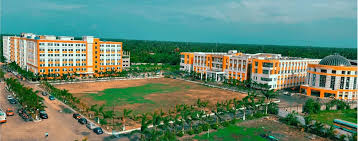
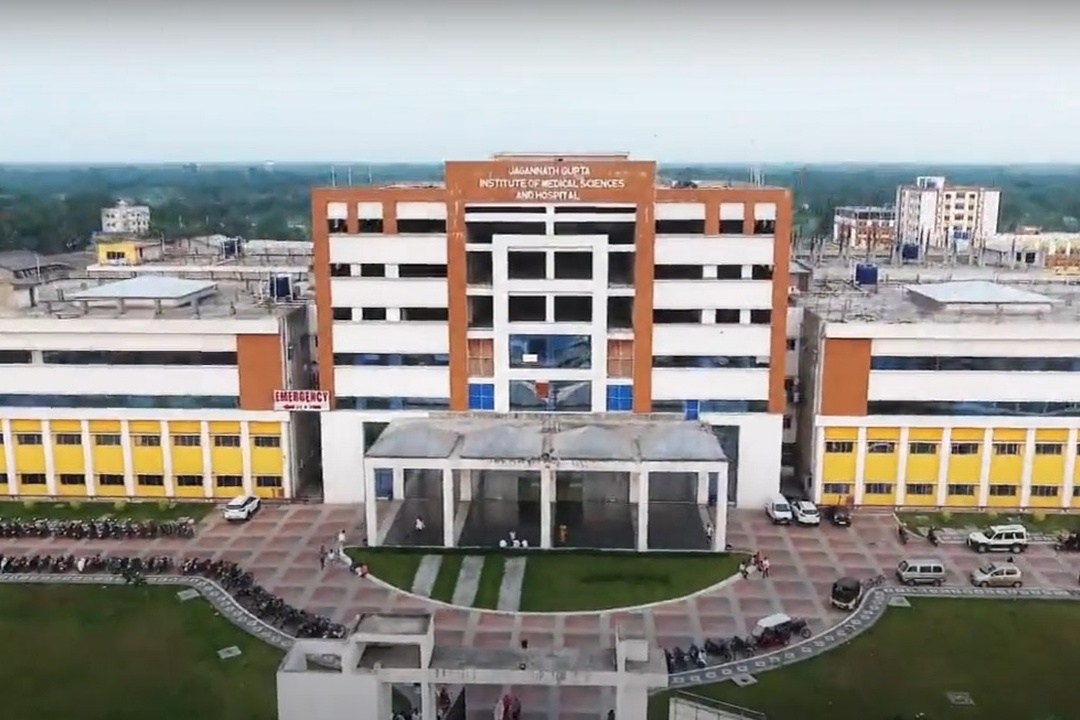
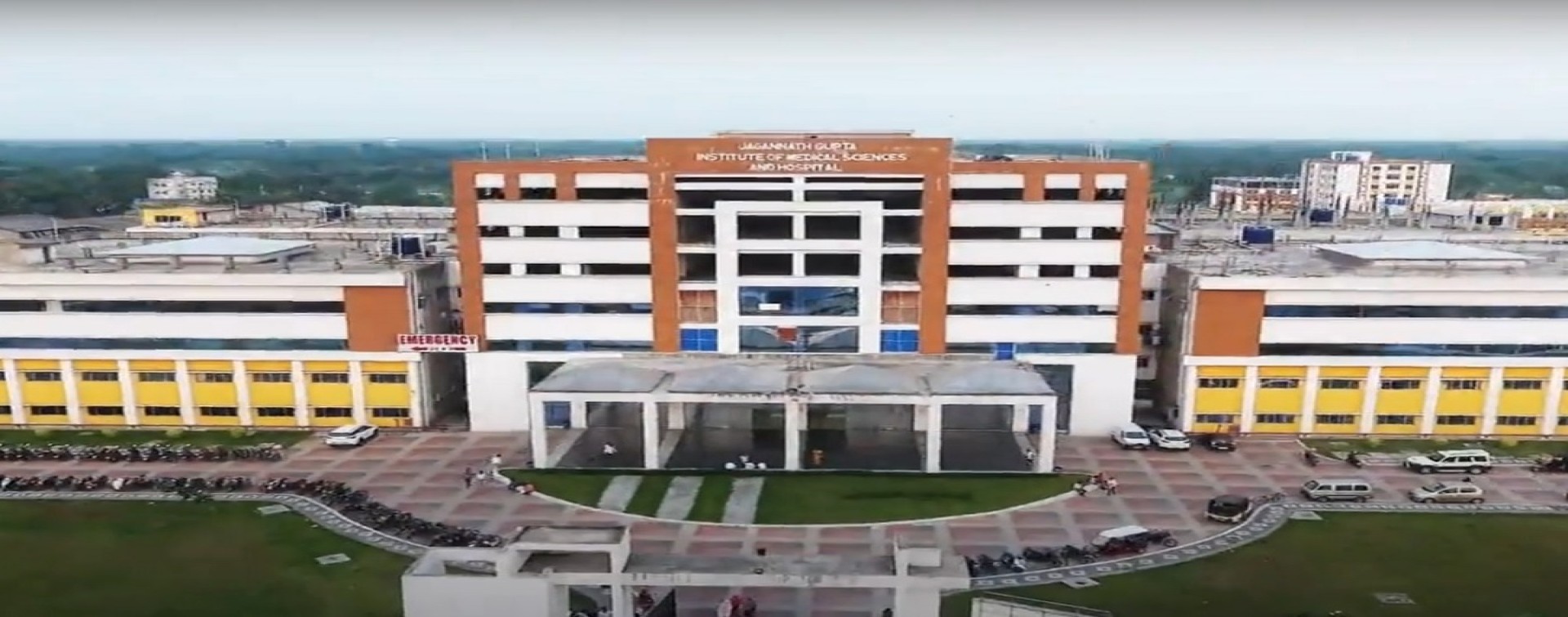
JIMSH is a multi-specialty teaching hospital & medical institute located at Budge Budge (Buita), South 24 Parganas, Kolkata. The campus is designed to support hands-on clinical learning alongside hospital-based patient care.

Established: 2016 Location: Budge Budge (Buita), Kolkata Campus: 24 acres Teaching Hospital: 1250 beds Critical Care: 70 ICU beds OTs: 12 Major + 6 Minor Affiliation: West Bengal University of Health Sciences (WBUHS) MBBS intake: Up to 250 (AY 2025–26, as per LoP)

College Snapshot

Jagannath Gupta Institute of Medical Sciences & Hospital (JIMSH) operates under the Urmila Devi Jagannath Gupta Charitable Trust and combines a medical college with a large multi-specialty hospital setup—supporting early clinical exposure, case-based learning, and skill development.

Established 2016
Campus Sprawling 24-acre campus
Teaching Hospital 1250-bedded hospital
Critical Care & OTs 70 ICU beds • 12 Major + 6 Minor OTs

Note: Seat intake and approvals can change by academic year. Always verify the latest status via the official institute website and counselling authorities.

Why Students Consider JIMSH

Strong hospital-backed learning

  • Teaching environment integrated with multi-specialty patient care.
  • 24×7 clinical services and emergency support systems to strengthen bedside learning.
  • Opportunity to observe real workflows—OPD, IPD, diagnostics, OT, and critical care.

Structured academic ecosystem

  • Affiliated with WBUHS (as shown on official university listings).
  • Institutional focus on clinical skills, professional ethics, and patient-centric practice.
  • On-campus learning support through labs, lecture theatres, and academic facilities.
WBUHS Affiliation National Medical Commission (NMC) LoP (AY 2025–26) Teaching Hospital Integration

Learning Environment & Student Support

A good medical college experience depends on both academics and the ecosystem around it—faculty guidance, structured training, and professional conduct standards that prepare students for internship and beyond.

How learning is supported

  • Classroom teaching with practical demonstrations and clinical discussions.
  • Department-wise training across pre-clinical, para-clinical, and clinical areas.
  • Exposure to research culture through institutional academic activities and committees.

Safety & governance signals

  • Anti-ragging and student welfare activities published on official notices.
  • Clear public guidance from the institute about admissions and authorised communication.
  • Support channels for enquiries via official phone numbers and email IDs.

Hospital & Clinical Exposure

Clinical exposure is the backbone of medical training. At JIMSH, the hospital setup includes round-the-clock services and infrastructure that help students learn clinical pathways in real time—under supervision and structured postings.

  • 24×7 Multi-Specialty Clinic Services
  • 24×7 Ambulance and Emergency Services
  • 24×7 Pharmacy and Blood Bank
  • Infrastructure highlights include ICU beds and multiple operation theatres supporting clinical learning.

Tip for applicants: During counselling, compare colleges not only on fees—also check hospital footfall, clinical departments, internship exposure, and academic support systems.

Location & Connectivity

JIMSH is located at K. P. Mondal Road, Buita, Budge Budge (Kolkata – 700137), in South 24 Parganas, West Bengal. Students typically consider commute, nearby essentials, and day-to-day campus access when shortlisting colleges.

What this location is good for

  • Access to Kolkata-region healthcare demand and clinical diversity.
  • Residential ecosystem suitable for medical students (hostel/living needs as per institute facilities).
  • Proximity to city-linked services while studying in a campus setting.

Applicant checklist

  • Confirm the latest seat matrix, eligibility, and counselling authority for your category.
  • Keep documents ready: NEET scorecard, domicile/category proofs (if applicable), and IDs.
  • Shortlist 5–8 comparable colleges in West Bengal for safer choice filling.

Need help with NEET counselling for JIMSH?

Promote Education can help you shortlist colleges, understand seat/intake updates, and prepare a choice-filling strategy based on your NEET score, category, and budget.

Admissions at Jagannath Gupta Institute of Medical Sciences & Hospital (JIMSH)

A practical, student-first admission guide for MBBS and PG (MD/MS) at JIMSH (Budge Budge, Kolkata). Admissions are primarily routed through NEET and the official counselling process of West Bengal Medical Counselling Committee (WBMCC).

📍 Budge Budge, Kolkata 🩺 NEET-UG / NEET-PG based 🏛️ WBMCC counselling (WB) 🎓 MBBS + PG (MD/MS) ✅ Verify seat matrix & notices

Quick Admission Snapshot (What matters most)

Use this section to understand the “must-do” steps before you start any application or counselling.

Official route (recommended)

  • MBBS: WBMCC conducts UG counselling for State Quota + Management Quota + (Medical) NRI quota in private colleges based on NEET-UG.
  • PG (MD/MS): WBMCC conducts PG counselling for State Quota + Management/NRI quota in private colleges based on NEET-PG.
  • Keep checking WBMCC “Notices / Schedule / Seat Matrix” for the current round and reporting rules.

Seat info & safety checks

  • JIMSH publishes updates such as NMC approved 250 MBBS seats for the academic session 2025–2026 (verify against the WBMCC seat matrix for your counselling round).
  • Important: JIMSH states they do not authorise any agents/agencies for MBBS admission. Always use official portals and written receipts.
  • For admission enquiries: 9051323232 and admission@jimsh.org.
Student tip: Your “final truth” for seats, category distribution, fee notices, and reporting dates is always the latest WBMCC Information Bulletin + Seat Matrix for that counselling year.
MBBS Admission Process (NEET-UG + WBMCC)

If your goal is MBBS at JIMSH, your journey typically follows the counselling workflow—start with NEET-UG, then move to WBMCC registration and choice filling.

Eligibility (quick checklist)

  • NEET-UG qualified (as per the counselling year).
  • 10+2 with Physics, Chemistry, Biology/Biotech + English (Classes 11 & 12).
  • Age: 17 years on or before 31 Dec of the admission year (no upper age limit is noted on the institute page).
  • PCB aggregate (minimum): UR 50%, OBC/SC/ST 40%, PwD 45% (as listed on the institute eligibility page).
Best practice: Keep your category & domicile proofs ready early (many rounds run fast).

Step-by-step (simple, real-life flow)

1

Appear for NEET-UG

Secure a valid NEET score and rank for the current counselling year.

2

Register on WBMCC

Create your profile, fill details carefully, and complete payment as per WBMCC instructions.

3

Choice Filling & Locking

Select JIMSH (and backups) wisely—include a range based on last-year trends and your score comfort.

4

Seat Allotment Result

Download the allotment letter for your round. Don’t miss reporting deadlines.

5

Report to the College

Carry originals + photocopies, complete verification, medical check (if required), and fee formalities.

6

Admission Confirmation

Get a stamped admission confirmation + fee receipt + next instructions (hostel/ID/class start).

How WBMCC counselling applies to private colleges (including quotas)

WBMCC states that UG counselling covers State Quota seats in government colleges along with State Quota, Management Quota, and NRI quota (only Medical) seats in private medical/dental colleges, based on NEET-UG merit and eligibility rules for that counselling year.

PG (MD/MS) Admission Process (NEET-PG + WBMCC)

PG admissions follow NEET-PG and WBMCC’s PG counselling rules. If you are targeting MD/MS at JIMSH, focus on correct category eligibility, documents, and timely reporting.

Before you start

  • NEET-PG qualified for the counselling year.
  • MBBS completion + required internship completion proof.
  • Medical registration (State Medical Council / NMC, as applicable).
  • Keep your counselling receipts, payment proofs, and allotment documents ready.
Note: Some older institute pages show document examples with earlier NEET-PG years—follow the current WBMCC checklist and just ensure you have the same “types” of documents (admit card, rank card, etc.) for your year.

Step-by-step (PG flow)

1

Appear for NEET-PG

Get a valid score & rank for the current counselling cycle.

2

Register on WBMCC PG Portal

Complete registration, upload details, and pay fees as instructed by WBMCC.

3

Choice Filling

Prioritize branches realistically; include safe, moderate, and ambitious options.

4

Allotment + Reporting

Download allotment letter and report with originals, bond/undertaking if applicable, and payment proofs.

5

Final Admission

After verification, your admission is confirmed as per college + counselling authority rules.

What WBMCC says about PG counselling (MD/MS & related courses)

WBMCC notes that PG counselling covers State Quota seats in government colleges along with State Quota, Management Quota and NRI Quota seats in private medical colleges for PG medical courses, based on NEET-PG and merit/eligibility criteria for the counselling year.

Fees & Quotas (MBBS 2025–26 snapshot)

This is a quick reference from the institute’s published MBBS fee table. Always confirm the latest fee notices and counselling bulletin for the current year.

MBBS Tuition (as published)

  • State Quota ₹2,74,000 per semester + admission fee & one-time charges.
  • Management Quota ₹10,94,000 per semester + admission fee & one-time charges.
  • NRI ₹1,20,00,000 total course fee (as shown in the table).

The institute also links items like bank guarantee (MQ) and bond (SQ) documents—follow the latest official instructions.

Hostel (annual, optional)

  • Triple Non-AC: ₹1,80,000 / year (caution deposit ₹15,000)
  • Triple AC: ₹2,16,000 / year (caution deposit ₹15,000)
  • Single AC: ₹2,64,000 / year (caution deposit ₹25,000)

Hostel fee is shown as annual; electricity may be separate; hostel is not compulsory (as per the institute note).

Fees safety tip: Keep every payment receipt + allotment letter. Never pay cash to “agents”.

Documents Required (keep originals + self-attested copies)

Document lists can vary by counselling year and category. Below is a practical checklist built from the institute’s admission form and eligibility pages—cross-check with the latest WBMCC bulletin.

MBBS (based on the institute admission form)

  • Photo ID proof (Class X admit/certificate with photo attestation OR Passport/Aadhaar/PAN/Driving License)
  • Class XII marksheet (self-attested)
  • Birth certificate (if DoB not mentioned in HSC marksheet/certificate)
  • NEET score card
  • Any category/domicile documents as required by WBMCC (EWS/OBC/SC/ST/PwD etc.)
Pro tip: Keep 10–12 passport photos + 2–3 sets of photocopies ready before reporting.

PG (MD/MS) (common set from institute checklist)

  • Allotment letter + counselling acknowledgement/payment proofs
  • NEET-PG admit card & rank card (for your counselling year)
  • MBBS mark sheets (final/third prof as applicable), degree/provisional certificate
  • Permanent registration certificate (State Medical Council/NMC as applicable)
  • Internship completion certificate
  • Domicile/caste/PwD/in-service documents (if applicable) as per counselling rules
Note: In-service category candidates may need additional service/NOC documentation as per WBMCC rules.
Declarations you may sign during admission (what it usually means)

The institute admission form includes a declaration that submitting the form does not guarantee selection, and mentions semester fees as determined by the Fees Fixation Committee, Govt. of West Bengal. Always read any bond/undertaking carefully and keep copies.

Timeline & Smart Counselling Tips

Counselling is time-sensitive. Small mistakes (wrong document, missing receipt, missing reporting window) can cost a seat.

Timing checklist

  1. NEET result → short-list colleges based on your score.
  2. WBMCC registration opens → fill details carefully (same as documents).
  3. Choice filling dates → lock choices before the deadline.
  4. Allotment day → download allotment letter immediately.
  5. Reporting window → report early (avoid last-day rush).

Decision-making checklist

  • Check quota eligibility (SQ/MQ/NRI) and category certificates validity.
  • Compare total cost: tuition + hostel + one-time charges + deposits.
  • Verify latest seat matrix, fee structure, and bulletin on WBMCC.
  • Only trust official email/phone, official portals, and written receipts.
Safety: JIMSH clearly states they do not authorise agents/agencies for MBBS admission—avoid middlemen.

Need help with counselling, choices & reporting?

Promote Education can help you shortlist options, understand quota eligibility, prepare documents, and stay on track with WBMCC dates—without confusion or agent pressure.

Call / WhatsApp: Add your Promote Education number here • Enquiry: Scroll to the lead form below.

Get Counselling Support

Official Links to Bookmark (Recommended)

  • WBMCC UG Medical & Dental Counselling page (notices, schedule, bulletin, seat matrix).
  • WBMCC PG Medical Counselling page (notices, schedule, bulletin, seat matrix).
  • JIMSH official MBBS fee page and documents/bond links (where applicable).

Tip: Always rely on the latest “Information Bulletin” and “Seat Matrix” for your counselling round.

Courses at Jagannath Gupta Institute of Medical Sciences & Hospital (JIMSH), Kolkata

Explore MBBS, PG MD/MS specialisations, Nursing, Pharmacy and Paramedical programs offered under the JIMSH umbrella. Use this guide to match your academic background with the right healthcare career pathway.

Undergraduate Medical Program

MBBS at JIMSH is designed for students who want strong fundamentals, early clinical orientation and a patient-first mindset—supported by hospital-linked learning and faculty guidance.

UG Medical

MBBS (Bachelor of Medicine & Bachelor of Surgery)

Best for students aiming to become licensed medical doctors and pursue specialisation later (MD/MS/DNB). Selection is typically through national/state counselling based on NEET-UG performance.

Entrance: NEET-UG Eligibility: 10+2 (PCB + English) Age: 17+ (as per admission year rules) Track: Medical Doctor → PG Specialisation
MBBS

Who should choose MBBS?

Ideal fit if you want

A long-term clinical career, the ability to diagnose and manage patients end-to-end, and the option to pursue MD/MS after MBBS. You’ll benefit most if you enjoy Biology, problem-solving, communication and disciplined study.

Strong PCB base Patient interaction mindset Ready for rigorous academics
Fit

Postgraduate Medical Programs (MD/MS)

JIMSH offers multiple MD/MS specialisations (subject to seat matrix and approvals for the academic year). These programs suit MBBS graduates who want to deepen expertise in a specific clinical or foundational discipline.

PG Medical

MD Anatomy

For those inclined towards foundational sciences, teaching, research and clinical anatomy applications.

Entrance: NEET-PG Track: Academics / Research
MD

PG Medical

MD Physiology

Focuses on human body functions—useful for teaching, research and applied clinical physiology.

Entrance: NEET-PG Track: Academics / Research
MD

PG Clinical

MD General Medicine

Core internal medicine training—diagnosis, management and continuity of care across adult diseases.

Entrance: NEET-PG Track: Physician / Super-speciality options
MD

PG Clinical

MS General Surgery

Operative and peri-operative patient care—ideal for students aiming for surgical careers.

Entrance: NEET-PG Track: Surgeon / Super-speciality options
MS

PG Clinical

MS Orthopaedics

Musculoskeletal and trauma care—bones, joints, sports injuries and rehabilitation-oriented practice.

Entrance: NEET-PG Track: Orthopaedic practice
MS

PG Clinical

MS Otorhinolaryngology (ENT)

Ear, nose and throat care—mix of clinic + procedures, with strong demand in urban practice.

Entrance: NEET-PG Track: ENT practice
MS

PG Clinical

MD Radiology (Radio-diagnosis)

Imaging-based diagnosis using modalities like X-ray, USG, CT & MRI (as per department resources).

Entrance: NEET-PG Track: Diagnostic imaging
MD

PG Clinical

MD Dermatology, Venereology & Leprosy (DVL)

Skin, hair and nail conditions—clinical care plus procedural dermatology (scope depends on training).

Entrance: NEET-PG Track: Dermatology practice
MD

PG Clinical

MD Anaesthesiology

Critical peri-operative care, anaesthesia and pain management—key role in OT and ICU settings.

Entrance: NEET-PG Track: OT / Critical care
MD

PG Clinical

MD Obstetrics & Gynaecology

Women’s health—pregnancy care, deliveries, gynaecological surgeries and reproductive health.

Entrance: NEET-PG Track: OBGYN practice
MD

PG Clinical

MD Pediatrics

Child and adolescent health—outpatient care, inpatient management and preventive pediatrics.

Entrance: NEET-PG Track: Pediatric practice
MD

Practical note

Documents & eligibility checks

For PG admissions, keep NEET-PG documents, MBBS mark sheets, internship completion proof and identity/address documents ready. Always verify the current-year counselling and institute notice updates before reporting.

Counselling-based admission Verify annual seat matrix Keep originals + copies
Tips

Nursing Programs

Nursing is a high-impact healthcare career with strong demand in hospitals and community health. JIMSH includes both degree and diploma pathways depending on your career timeline.

UG Degree

B.Sc. Nursing

A structured nursing degree pathway for students seeking hospital + community nursing roles, with progressive clinical exposure across years.

Duration: 4-year pattern Eligibility: 10+2 (PCB + English) Minimum marks as per category rules
Nursing

Diploma

GNM (General Nursing & Midwifery)

A focused pathway into nursing practice with strong hands-on orientation, including internship components. Suitable if you want an earlier entry into the workforce.

Duration: 3 years + 6 months internship Eligibility: 10+2 (as per nursing rules) Selection: As per applicable entrance/merit norms
GNM

Pharmacy Programs (Jagannath Gupta Institute of Pharmacy)

Pharmacy programs under the JIMSH umbrella suit students who want careers in medicines, formulation, quality, hospital pharmacy, industry or further higher studies.

UG Degree

B.Pharm (Bachelor in Pharmacy)

A broader pharmaceutical sciences program covering key subjects like pharmacology, pharmaceutical chemistry, pharmacognosy and analysis—aimed at building industry-ready professionals.

Track: Industry / Hospital pharmacy Approvals: Refer PCI/WBUHS links
B.Pharm

Diploma

D.Pharm (Diploma in Pharmacy)

A practical, career-oriented pharmacy pathway focusing on core pharmaceutical sciences and hands-on learning. Suitable for faster entry into pharmacy roles depending on regulations.

Track: Pharmacy practice Practical learning focus
D.Pharm

Paramedical Programs (Allied Health)

Paramedical and allied health programs are ideal if you want a healthcare career supporting diagnosis, treatment, OT/ICU workflows and rehabilitation—often with faster job-entry timelines.

UG Allied Health

B.Sc. Paramedical

Undergraduate allied health pathway designed for clinical support roles and medical technology-driven work. Final specialisation options and seats may vary by academic session.

Focus: Allied health sciences Eligibility: 10+2 (as per program rules) Confirm: Specialisation list & intake
B.Sc

Diploma Paramedical

Diploma Programs (examples listed by institute)

Diploma options mentioned by JIMSH include: DMLT, DRD, Dialysis Technology, OT Technology, D.OPT, DCCT, DCLT, DPT, DPFT and ECG. Choose based on your interests—lab, imaging, OT support, dialysis, physiotherapy or cardiology tech.

Eligibility: 10+2 (PCB) Age: 17+ Best for: Skill-based healthcare roles
Diploma

How to Choose the Right Course

Not sure which pathway fits you best? Use this quick decision guide and we’ll help you shortlist options based on your marks, NEET score, budget and career timeline.

Decision guide

Pick your pathway in 60 seconds

MBBS if you want to become a doctor and can commit to long-term medical training.
MD/MS if you already have MBBS and want a defined speciality career.
Nursing if you want strong employability across hospitals and community healthcare.
Pharmacy if you’re inclined towards medicines, formulation, QA/QC and hospital pharmacy.
Paramedical if you want skill-based healthcare roles with faster job-entry options.

Career-first planning Budget & location fit Counselling support
Guide

Important note

Always verify current-year updates

Course availability, seat matrix, fee structures and counselling rules can change year to year. Use official notices and counselling portals for the final confirmation.

Check official website notices Confirm counselling category Keep documents ready
Verify
Need a shortlist for JIMSH (MBBS/MD-MS/Nursing/Pharmacy/Paramedical)?
Share your qualifications + exam details (NEET-UG / NEET-PG / 10+2 stream). We’ll guide you on eligibility, counselling steps and the best-fit program.
Talk to a Counsellor

Jagannath Gupta Institute of Medical Sciences & Hospital (JIMSH) — Fee Structure (2025–26)

A clear, student-friendly breakdown of tuition and key one-time charges across major programs. Always verify final payable amounts during counselling/admission, as norms may change.

Academic Session: 2025–26 Currency: INR (₹) Hostel: Optional (where applicable) Tip: Check “At Admission” totals below

Quick Fee Snapshot (Most Searched)

These are headline numbers to help families plan. Exact payable items can differ by quota, room type, and official notices.

MBBS (Total Course Fee)

State Quota: ₹25,56,000 Management Quota: ₹99,36,000 NRI: ₹1,20,00,000

Total includes tuition + listed one-time charges (as per official fee table).

PG (MD/MS)

State Quota: ₹13,50,000 / year* Management Quota: ₹40,00,000 / year* NRI: ₹4,00,00,000 (at admission)

*PG fee structure is shown as “proposed” on the official page.

Nursing & Allied (Popular)

B.Sc. (Nursing): ₹4,94,000 (4 years) GNM: ₹3,57,000 (3 years) B.Sc. Paramedical: ₹3,00,000

Separate deposits/charges may apply (uniform, forms, hostel caution, etc.).

Pharmacy

D.Pharm: ₹1,50,000 (2 years) B.Pharm: ₹5,50,000 (8 semesters) Hostel: ₹8,000 / month

Uniform/caution/form charges are listed separately on the Pharmacy fee page.

Important: Fees shown are based on JIMSH’s published fee-structure pages for 2025–26. Some items (university exam/registration, electricity, etc.) may be outside the institute fee table depending on rules and course.

MBBS Fee Structure (Academic Session 2025–26)

Below is the official quota-wise breakup. “Caution Money” is typically refundable (subject to rules).

MBBS — Institute Fees (₹)

Particulars State Quota Management Quota NRI
Tuition Fee (Per Semester) ₹2,74,000 ₹10,94,000
Total Tuition Fee (9 Semesters) ₹24,66,000 ₹98,46,000
Admission Fees (One Time) ₹50,000 ₹50,000 Included
Caution Money (One Time) ₹15,000 ₹15,000 Included
Sports & Cultural Fee (One Time) ₹25,000 ₹25,000 Included
Total (Course) ₹25,56,000 ₹99,36,000 ₹1,20,00,000
Typical joining payment = 1st semester + one-time fees (verify at counselling) Caution Money = Refundable as per institute policy

MBBS Hostel (Fooding + Lodging) — Per Year

Room Type Fee / Year Notes
Single Room ₹2,64,000 Electricity charges excluded (as per note)
Double Sharing ₹1,80,000 Electricity charges excluded (as per note)
Caution Deposit (Refundable) ₹10,000 One-time hostel deposit
Planning tip: Hostel is usually optional—choose it only if needed and budget electricity + personal expenses separately.

PG (MD/MS) Fee Structure (2025–26)

The official page lists annual tuition plus one-time charges. It also mentions bank guarantee / full-course-fee requirements at admission (as applicable).

PG (MD/MS) — Tuition & One-time Fees (₹)

Particulars State Quota Management Quota NRI
Tuition Fee (Per Year)* ₹13,50,000 ₹40,00,000
Admission Fee (One Time) ₹50,000 ₹50,000
Caution Money (One Time) ₹25,000 ₹25,000
Sports & Cultural Fee (One Time) ₹25,000 ₹25,000 ₹25,000
Fees to be paid at the time of admission Bank Guarantee* Bank Guarantee** ₹4,00,00,000
*Official note: The PG fee structure is shown as “proposed” and “subject to approval by Fee Structure Committee of West Bengal” on the institute page.

PG Hostel Fees (2025–26) — Monthly

Option Fee Details
Double Sharing (Non-AC) ₹7,000 / ₹5,000 With balcony / without balcony
Single (Non-AC) ₹10,000 / ₹8,000 With balcony / without balcony
1 BHK Flat (AC) ₹15,000 Monthly

Nursing Programs (2025–26)

Nursing fee pages also list separate charges (uniform, forms/prospectus) and optional hostel costs.

B.Sc. Nursing — Total Institute Fees (4 Years)

Year Total Fees
1st Year₹1,61,000
2nd Year₹1,11,000
3rd Year₹1,11,000
4th Year₹1,11,000
Total (4 years)₹4,94,000
College Caution Money: ₹5,000 (separate) Uniform: ₹6,000 (separate) Forms & Prospectus: ₹500 Hostel: ₹8,000/month (+ hostel caution ₹5,000) Total with Hostel (as shown): ₹8,83,000

GNM — Total Institute Fees (3 Years)

Year Total Fees
1st Year₹1,52,500
2nd Year₹1,02,500
3rd Year₹1,02,000
Total (3 years)₹3,57,000
College Caution Money: ₹5,000 (separate) Uniform: ₹6,000 (separate) Forms & Prospectus: ₹500 Hostel: ₹8,000/month (+ hostel caution ₹5,000) Total with Hostel (as shown): ₹6,50,000
Help for Nursing admissions: The GNM page mentions that course fee is to be paid in advance and provides an admission helpline number.

B.Sc. Paramedical (BHM / BCCT / B.Sc. OTT) — Fee Structure (2025–26)

This table shows semester-wise payable amounts and a clear “at admission” total as listed on the official page.

Paramedical — Semester Plan (₹)

Fee Head At Admission 2nd–6th Sem (each) Total
Admission Fees ₹50,000 ₹50,000
Caution Money (Refundable) ₹2,000 ₹2,000
Development Fees ₹2,000 ₹2,000
Tuition Fees ₹40,000 ₹40,000 ₹2,40,000
Cultural & Sports Fees ₹1,000 ₹1,000 ₹6,000
TOTAL ₹95,000 ₹41,000 ₹3,00,000
Uniform: ₹5,500 (separate) Form & Prospectus: ₹500 Medical: ₹1,000 Hostel: Available on demand

Pharmacy (2025–26)

Fee breakup is published by Jagannath Gupta Institute of Pharmacy (JIMSH group).

D.Pharm — Total (2 Years)

Fee Head 1st Year 2nd Year Total
Admission Fees₹50,000₹50,000
Tuition Fees₹45,000₹45,000₹90,000
Student Welfare, Games & Sports₹5,000₹5,000₹10,000
TOTAL₹1,50,000

B.Pharm — Total (8 Semesters)

Fee Head Amount How it’s charged
Admission Fees₹1,10,000One time
Tuition Fees₹4,20,000₹52,500 per semester × 8
Student Welfare, Games & Sports₹20,000₹2,500 per semester × 8
TOTAL₹5,50,000
Caution Deposit: ₹5,000 (separate) Uniform: ₹5,000 (separate) Form & Prospectus: ₹500 Hostel: ₹8,000 / month

How to Budget Smartly (Student-Friendly Notes)

1) Separate “One-time” vs “Recurring”

  • One-time: admission fee, deposits (college/hostel), sports/cultural (where listed).
  • Recurring: tuition per semester/year, hostel monthly/yearly (if opted).

2) Understand Refundable Deposits

  • Caution Money is generally refundable subject to policy & deductions (if any).
  • Keep receipts and follow official refund procedure at completion/exit.

3) Hostel & Living Costs

  • Hostel is optional and may vary by room type and availability.
  • Budget extra for personal expenses, books, commute, and (if applicable) electricity.

4) PG Special Note

  • PG page mentions bank guarantee / full-course-fee requirements at admission (as applicable).
  • Also marked as “proposed” and subject to approval on the official page.
Recommendation: Before paying, match the payable items with your counselling allotment letter and the latest official notice on JIMSH’s website.
Need a quota-wise fee plan + admission guidance?
Promote Education can help you compare options, documents, and timelines.

Placements & Career Outcomes — JIMSH (Jagannath Gupta Institute of Medical Sciences and Hospital)

In medical education, “placement” usually means strong clinical exposure + compulsory internship + career pathways (PG entrance, hospital roles, research, or global exams). This section explains what students can expect at JIMSH—clearly and transparently.

Teaching Hospital Ecosystem MBBS • MD/MS • Nursing • Pharmacy • Paramedical Clinical postings + electives + internship Career portal & jobs
1250
Hospital beds (teaching + patient exposure)
70
ICU beds (critical-care learning)
12 + 6
Major + Minor OTs (surgery/OT exposure)
250
MBBS seats (NMC-approved for 2025–26)

How “placements” work in medical colleges (what you should know)

Unlike engineering-style campus packages, medical careers typically progress through structured stages: clinical postings → electives → compulsory rotating internship → registration/licensing → PG entrance or job roles.

What JIMSH can realistically support

  • Clinical readiness through a multi-specialty teaching hospital environment.
  • Internship training with department-wise rotations (as per official notices).
  • Work opportunities via the institute’s career portal (hospital/administrative roles).
  • Academic exposure through events, conferences, training notices, and research activities.

Important: Final outcomes depend on performance, exam ranks (NEET-PG/INI-CET), licensing steps, and market demand.

What “placement statistics” may not represent

  • Medical colleges generally don’t publish “highest package” like IT campuses.
  • Many graduates choose PG preparation instead of immediate jobs.
  • Jobs can be hospital-based, government service, academic, research, or international routes.

This page focuses on career pathways and support systems—not exaggerated claims.

Training → Internship pathway (career-ready roadmap)

JIMSH operates as a multi-specialty medical college hospital with multiple functional departments and OPD services, enabling continuous clinical exposure alongside academics.

Stage What students do How it helps your career
Clinical postings Rotations in core departments (e.g., Medicine, Surgery, OBGYN, Pediatrics, ENT, Ophthalmology, etc.). Exposure includes outpatient + inpatient interactions. Builds bedside skills, case presentation ability, documentation discipline, and patient communication.
Electives & skill focus Short focused postings and elective blocks (as notified) for deeper learning in select areas. Helps decide specialization interest; improves CV for PG interviews/research.
Internship (Compulsory) Compulsory internship training program and rotary internship notices are published on the official notice board. Internship completion is a key step toward registration and employability.
Registration guidance Official notices include items related to digital registration processes (as applicable). Faster, clearer paperwork journey—important before full clinical employment.
Career planning Choose between PG entrance prep, hospital jobs, research/academics, or global exams. A structured plan reduces trial-and-error and improves next-step success rate.
Build case logs & reflections Practice OSCE-style skills Strengthen communication Start PG plan early Keep documents & certificates ready

Career paths after MBBS / Nursing / Pharmacy / Paramedical

Students from JIMSH streams typically move into one (or a combination) of the following paths. Choose based on your goals: clinical practice, specialization, research, healthcare management, or industry.

After MBBS

  • PG (MD/MS/DNB) via national/state entrance routes + focused specialization.
  • Clinical roles (under supervision / as per eligibility) in hospitals and healthcare setups.
  • Government & public health roles (as per recruitment rules and eligibility).
  • Global routes (e.g., international exam pathways) — official notices include exam-related certification support.
  • Research & academics through conferences, projects, and institutional academic activities.

After Nursing / Paramedical / Allied Health

  • Hospital staffing (clinical ward roles, ICU support, OT assistance, allied health operations).
  • Specialized skill tracks (critical care, emergency, diagnostics support, etc.).
  • Higher studies and certifications to move into senior roles.
  • Healthcare operations (quality, patient coordination, administration support).

After Pharmacy (B.Pharm / D.Pharm)

  • Industry roles: production, QA/QC, regulatory, pharmacovigilance.
  • Hospital pharmacy and clinical support roles.
  • Sales/marketing (ethical pharma + medical reps) and product training tracks.
  • Higher studies for specialization and research careers.

Career advantage: clinical environment

  • Learning inside a multi-specialty hospital ecosystem supports practical confidence.
  • Better exposure to department workflows, patient loads, and emergency readiness.
  • Supports stronger references and interview readiness when applying for roles.

Tip: Keep a portfolio—skills learned, cases observed, certifications, conference participation.

Jobs & hiring routes (what to check on the official portal)

JIMSH publishes hiring updates through its Career page (examples include doctor and other full-time roles). This can be useful for eligible graduates and healthcare professionals seeking hospital-based opportunities.

Route What it typically includes Best for
JIMSH Career Portal Listed vacancies and application links as published by the institute. Graduates / professionals looking for hospital roles
PG Entrance + Residency Specialization pathway after MBBS (exam-driven). Students targeting MD/MS/DNB
Government / Public Health Recruitments via state/national notifications; eligibility varies by role. Those planning stable public-sector careers
Industry (Pharma / Allied) QA/QC, regulatory, pharmacovigilance, hospital pharmacy, allied health roles. Pharmacy/Allied students and specialized candidates
Track notices regularly Collect internship certificates on time Prepare CV + documents PG plan (timeline + syllabus) Build clinical + soft skills

Career Guidance & Placement Cell (Pharmacy)

For pharmacy programs, JIMSH’s pharmacy institute documents a Career Guidance and Placement Cell aligned with PCI-style expectations—focused on bridging academic learning with industry readiness.

What the Placement Cell typically supports

  • Career counselling and role discovery (industry vs hospital vs higher studies).
  • Resume building + interview readiness + soft-skill development.
  • Industry liaison and employability initiatives.

For the most accurate, updated committee/contact details, refer to the official Placement Cell page.

Transparency note

  • Recruiter lists and final outcomes can change each year.
  • Always verify the latest official updates before making decisions.
Need help with JIMSH admissions + counselling?
Promote Education can guide you through eligibility, counselling steps, and document readiness.

Disclaimer: “Placement” in medical education varies by program and depends on eligibility, exam ranks, and official rules. This page summarizes publicly available institute information and standard career pathways. Always verify latest notices on the official site.

Facilities at Jagannath Gupta Institute of Medical Sciences & Hospital (JIMSH), Kolkata

A people-first overview of campus, hospital and academic facilities that matter to students and parents— from emergency readiness and diagnostic services to lecture halls, labs, museums, library resources and hostel options.

Sprawling campus (24 acres) 1250-bedded hospital ecosystem 24×7 Emergency & Ambulance support Radiology & lab sample collection: 24×7 Blood Bank + 24×7 Pharmacy on campus

Campus & Hospital Infrastructure (Quick Facts)

For a medical college, infrastructure isn’t only buildings—it directly impacts clinical exposure, skill training, emergency preparedness and overall student confidence.

Campus footprint Sprawling campus spread across 24 acres
Hospital capacity 1250-bedded hospital environment for clinical learning and patient care
Critical care 70 ICU beds supporting critical-care workflows and learning exposure
Operation theatres 12 Major OT + 6 Minor OT listed under infrastructure
Residential ecosystem Residential facilities listed for doctors, staff & prospective students
Visitor support (planned) Institute mentions a projected guest house for patient family members

Why these numbers matter

Higher bed strength + ICU/OT infrastructure generally means broader department activity and better exposure to real hospital workflows—important for MBBS and also for nursing/paramedical learners.

Transparency note

Departments, service availability and upgrades can change. Always verify the latest updates on the official website before finalizing admission.

Hospital Services & Patient-Care Facilities

These facilities are relevant for both student training and patient support. JIMSH outlines multiple services under its hospital and citizen charter pages.

Facility / Service Availability / Notes
24×7 Emergency & Casualty Emergency medical officers, resident doctors and nursing staff availability are mentioned for 24×7 emergency services.
Ambulance services Ambulances are mentioned as available round the clock (including holidays) at nominal charges.
OPD (Outpatient Department) OPD timings listed as 9:30 AM to 2:00 PM.
Laboratory Sample collection mentioned as round the clock (24×7).
Radiology Radiology mentioned as 24×7.
Blood Bank Blood bank facility is mentioned as available within the hospital premises.
Pharmacy 24×7 “well stocked” pharmacy mentioned on the ground floor of the hospital.
Patient mobility support Availability of wheelchairs and stretchers mentioned for non-ambulatory patients.
Power backup Standby generator mentioned to support emergency services during electricity breakdown.
Campus amenities Drinking water facilities and coffee shops/canteen within campus are listed.

Community-facing care initiatives

The citizen charter notes that free health camps are conducted every month and concessional rates may be provided to poor and needy patients as per hospital policy.

Learning impact for students

Emergency coverage, diagnostics and blood bank support enhance practical understanding of hospital systems (triage → diagnosis → treatment → follow-up).

Academic & Skill-Training Facilities

JIMSH department pages describe structured teaching spaces such as lecture theatres, demonstration rooms, museums, labs and departmental libraries—key for concept clarity and hands-on learning.

Lecture theatres & demonstration rooms

The Department of Anatomy page describes an anatomy lecture theatre with 200-seat capacity, air-conditioning, and audio-visual + acoustics systems; it also mentions two demonstration rooms.

Teaching labs, museums & research support

Anatomy lists facilities like dissection hall, histology lab, departmental library, research lab, a central photographic lab, and an anatomy museum with wet/dry sections and a radiological gallery.

Microbiology academic + diagnostic environment

The Microbiology department describes a multidisciplinary setup (bacteriology/virology/mycology etc.), along with lecture halls, museum, laboratory and departmental library. It also lists services such as microscopy, culture & sensitivity, serology and more.

Central Library (Pharmacy)

The Pharmacy Central Library page mentions a book + journal collection and e-learning access (including e-journals through DELNET), OPAC/automation and NDLI membership—useful for academic depth and exam preparation.

Hostel & Student Life Facilities

Residential options and daily-life essentials influence student comfort and consistency—especially for clinical schedules and exams.

MBBS Hostel options (annual payment)

  • Room types listed include Triple Non-AC, Triple AC and Single AC with annual hostel fees.
  • Hostel fees are stated as annual-only (no part payment) and include fooding + lodging.
  • Hostel is stated as not compulsory; electricity bill is mentioned as separate.

Tip: Confirm availability and deposit rules during reporting/admission.

On-campus conveniences

  • Citizen charter lists coffee shops/canteen within campus.
  • Drinking water facilities are mentioned as available.
  • A 24×7 pharmacy is mentioned on the hospital ground floor—important for late-hour needs.

Campus discipline & wellbeing

  • Citizen charter mentions the hospital as a No-Smoking and No-Alcohol zone.
  • It also encourages patients/visitors to share complaints & suggestions to improve service.

Residential ecosystem beyond students

Infrastructure listings also mention residential support for doctors and staff, contributing to round-the-clock clinical service continuity.

Want a course-wise facility check (MBBS / PG / Nursing / Pharmacy / Paramedical)?
Promote Education can help you compare learning facilities, hostel options, and admission timelines.
Get Counselling Support

Disclaimer: Facilities and service timings may change. Always verify the latest details on the official JIMSH website and counselling/notice updates before admission or reporting.

Student & Patient Reviews — JIMSH (Jagannath Gupta Institute of Medical Sciences & Hospital)

This “Reviews” tab is designed to help you make a confident decision—not to hype. We summarise common themes seen on public review platforms (students + hospital visitors) and add a simple checklist to verify on your campus visit.

Student review platforms MBBS / Nursing / Allied context Hospital experience themes Pros + Cons + What to verify
Rating snapshot (varies by platform)
Tip: Don’t rely on one number—read reviews by course & year, and verify facilities in person.
Infrastructure Faculty Academics Hostel & Food Campus Life Clinical Exposure Hospital Service

Ratings across platforms (quick snapshot)

Ratings can change and sample sizes vary. Use this as an orientation, not a final decision.

What student platforms commonly highlight

  • Infrastructure & campus facilities are frequently rated highly in student reviews.
  • Faculty experience and a structured academic routine are often mentioned.
  • “Placements” in MBBS reviews usually refer to compulsory internship/clinical training.

How to read ratings the right way

  • Filter by course (MBBS vs Nursing vs Allied) and batch year.
  • Check if the review is verified and whether it shares specific examples.
  • Balance student reviews with hospital visitor feedback (service quality, waiting time, hygiene).

Promote Education note: If you want, we can share a “Verified Checklist Call” before you pay any fee— documents, hostel, hidden charges, and course-wise reality check.

Pros & Cons (themes that repeat in public reviews)

What students often like

  • Modern infrastructure (classrooms, labs, library) and a “new campus” feel.
  • Faculty support and structured academics (regular assessments are mentioned).
  • Hostel rooms & campus amenities are often described positively by some reviewers.
  • Campus environment and peer support (students mention a friendly campus vibe).

What reviewers say could improve

  • Hostel mess food is mixed in student reviews (some call it average; others rate it highly).
  • Hospital experience feedback on public platforms includes concerns like waiting time, hygiene, and staff behaviour (not student academics).
  • Value for money depends heavily on seat category and your long-term plan (PG vs job vs global exams).
Library Labs AC Classrooms Hostel Food Discipline Waiting time Hygiene

“Voice of reviews” (summary highlights)

These are summaries of common themes from public reviews (not copied verbatim). Always read the original reviews for full context.

Infrastructure-first experience: many students talk about well-developed buildings, labs and library access supporting study routines.

Common theme from student reviews (MBBS)

Academics feel “serious”: reviewers mention structured academics and regular evaluation, which helps exam preparation—especially if you like discipline.

Common theme from student reviews

Hostel opinions are mixed: some reviews praise cleanliness/room quality; some mention mess food as average—so you should inspect dining and hygiene personally.

Common theme across batches

Hospital feedback matters too: patient-side reviews can mention staff behaviour, hygiene and waiting time—helpful to understand the real service load of the teaching hospital.

Common theme from hospital visitor reviews

Smart move: If possible, visit OPD hours, see patient flow, and talk to 2–3 current students from your target course/batch.

What you should verify (before you pay any major fee)

Academics & clinical learning

  • Department-wise clinical posting schedule + attendance policy.
  • Library timing, journal access, and quiet study zones.
  • Skill labs / dissection / diagnostics exposure (as per your course).
  • Internship process, rotation structure, and expected responsibilities.

Hostel, safety & daily life

  • Hostel room type availability and rules (AC/non-AC; single/triple).
  • Mess menu, hygiene checks, and water availability.
  • Distance between hostel–college–hospital blocks.
  • Medical support after hours (pharmacy, emergency, ambulance access).

Promote Education can help: We’ll verify your eligibility, counselling steps, document list, fee heads, hostel options, and help you compare alternatives in West Bengal.

Want a course-wise “Reality Check” for JIMSH (MBBS / MD-MS / Nursing / Allied)?
Get a short counselling call with Promote Education—based on your budget, category, and career goal.
Get Counselling Support

Disclaimer: This page summarises publicly available reviews and testimonials. Ratings and opinions can vary by batch, course, and time. Please verify all critical details directly from official sources and through campus visit before admission.

4.5 1 reviews

  • Academics
    4.9
  • Campus Life
    4.6
  • Facilities
    4.7
  • Placement
    3.7
  • Financial Aid
    5.0
  • Location
    4.0
Justdial September 2025

On JustDial, JIMSH is rated 3.7 / 5 based on ~ 976 ratings.

Jagannath Gupta Institute of Medical Sciences And Hospital FAQs

  • Where is JIMSH located?

    JIMSH is located at K. P. Mondal Road, Buita, Budge Budge, Kolkata – 700137 (West Bengal). The campus is accessible via Budge Budge railway station and road connectivity.

  • What is the campus size and hospital capacity?

    The institute highlights a 24-acre campus with a 1250-bedded hospital, including ICU capacity and multiple operation theatres.

  • Who manages/runs the institute?

    JIMSH is listed as a unit of the Urmila Devi Jagannath Gupta Charitable Trust (as shown on the official site footer/ownership line).

  • How do MBBS admissions work for JIMSH?

    MBBS admissions are based on NEET-UG qualification and are filled through counselling (including State Quota, Management Quota and NRI Quota routes as notified by the counselling authority).

  • Is West Bengal domicile required?

    Domicile is typically required for West Bengal State Quota seats. Management quota seats in West Bengal private colleges are also filled via online counselling, and domicile rules differ by quota.

  • What is the current MBBS intake?

    A published NMC Letter of Permission indicates intake approval/increase up to <b>250 MBBS seats</b> for the relevant academic year mentioned in the document.

  • Do you offer PG (MD/MS) programs?

    JIMSH publishes MD/MS offerings and a PG fee structure page, and admissions are typically through NEET-PG + counselling rules applicable for the year.

  • What should I verify before applying?

    Always verify the latest counselling notice, seat matrix/quota rules, required documents, and fee approvals for the specific year you are applying.

  • What is the MBBS fee structure (quick idea)?

    JIMSH publishes an MBBS fee structure for the academic year on its official website (separately for State Quota / Management Quota / NRI). Use it as the primary reference because fees and approvals can change year to year.

  • What is the PG (MD/MS) tuition fee?

    The PG MD/MS fee page mentions tuition fee per year (different for State vs Management quota), and notes that the fee structure is proposed and subject to approval by the West Bengal Fee Structure Committee.

  • What are the hostel charges?

    Hostel fees are published on the official fee pages (room types like double/single sharing and AC/non-AC options are listed). Always confirm the current hostel rules (mess, electricity, security deposit, etc.) at the time of admission.

  • Does JIMSH support scholarships?

    Yes—JIMSH lists government scholarship/scheme portals (e.g., SC/ST/OBC scholarship, Minority scholarship, SVMCM, WB Student Credit Card) and advises students to apply as per schedules and eligibility.