kalinga Institute of Industrial Technology

  • KIIT Rd, Patia, Bhubaneswar, Odisha 751024
  • 4.7/5 (1 Reviews)
  • Private Institute - Estd. 1992

What is KIIT?

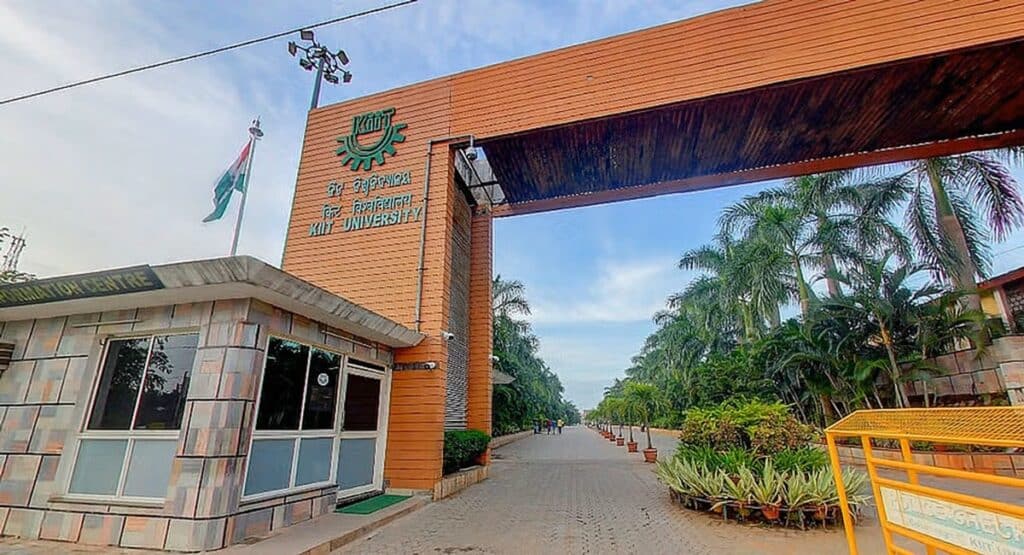
  • KIIT is a deemed-to-be university in Bhubaneswar, Odisha, India. 

  • It began in 1992-93 as an Industrial Training Institute. From 1997 onwards undergraduate and postgraduate programs in Engineering, Management, Computer Applications were introduced. 

  • It obtained the university status (deemed-university under Section 3 of UGC Act) in 2004. 


Campus & Scale

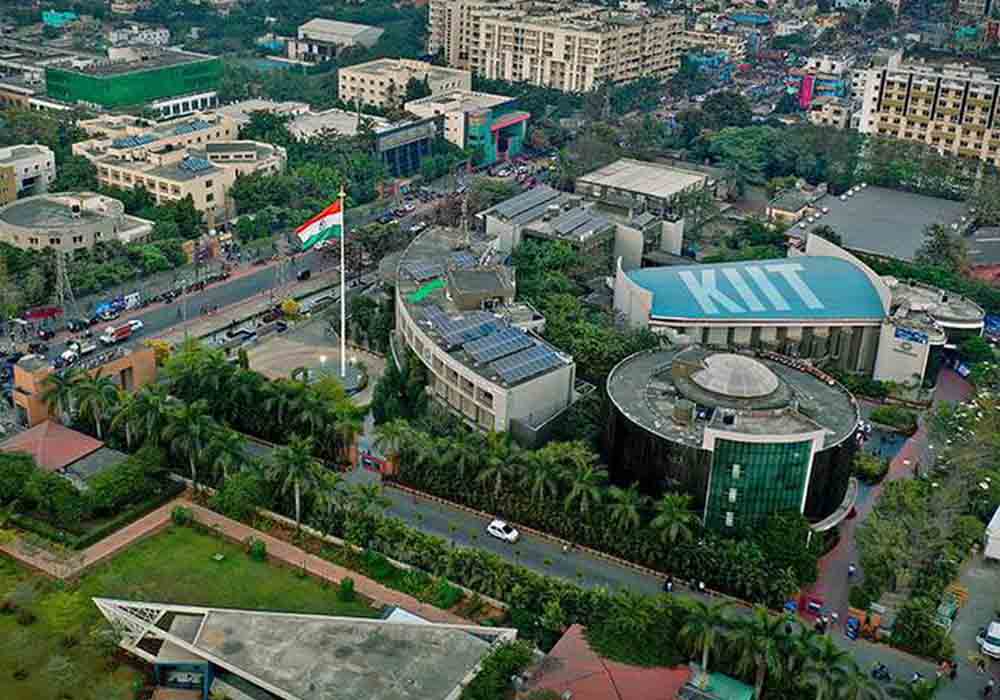
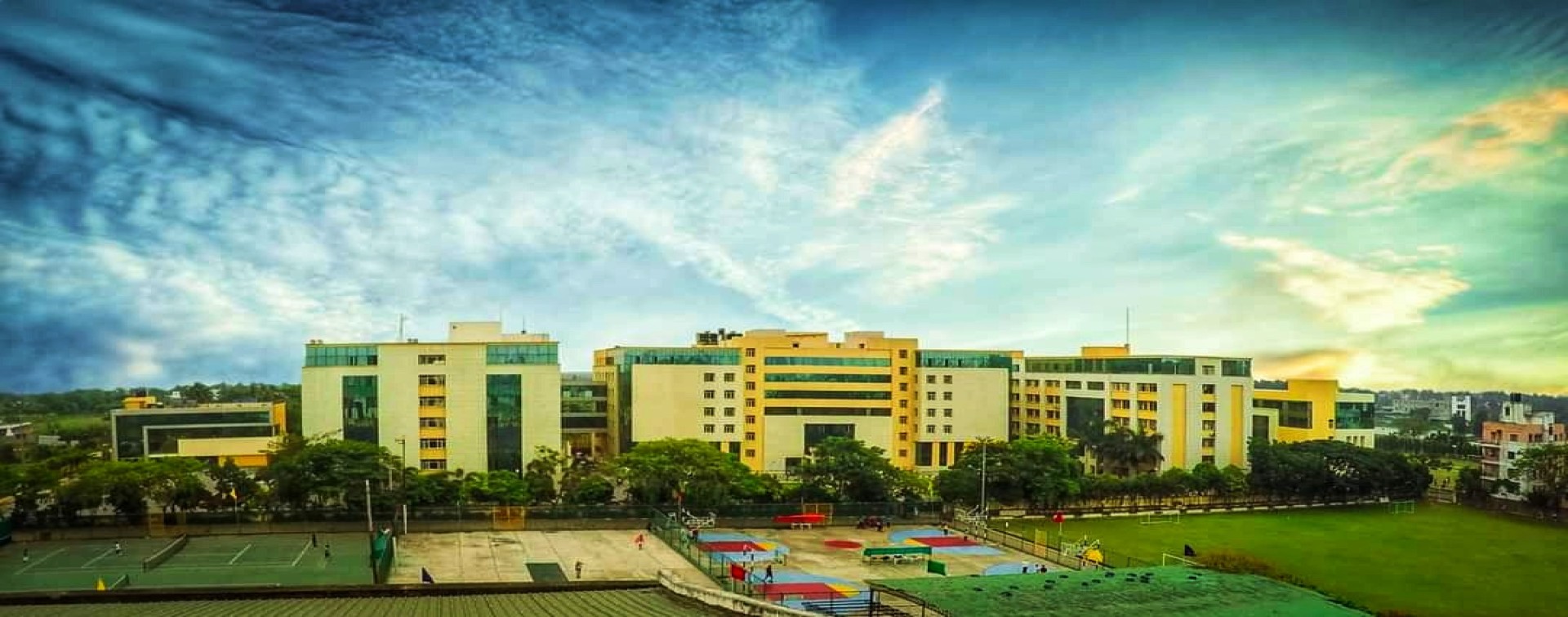
  • Spread over about 36 sq. km – a large academic township with multiple campuses. 

  • It boasts large infrastructure: over 30 food courts, 18 sports complexes, auditoriums (largest seating ~ 5000), a large 22-storey research & innovation wing. 

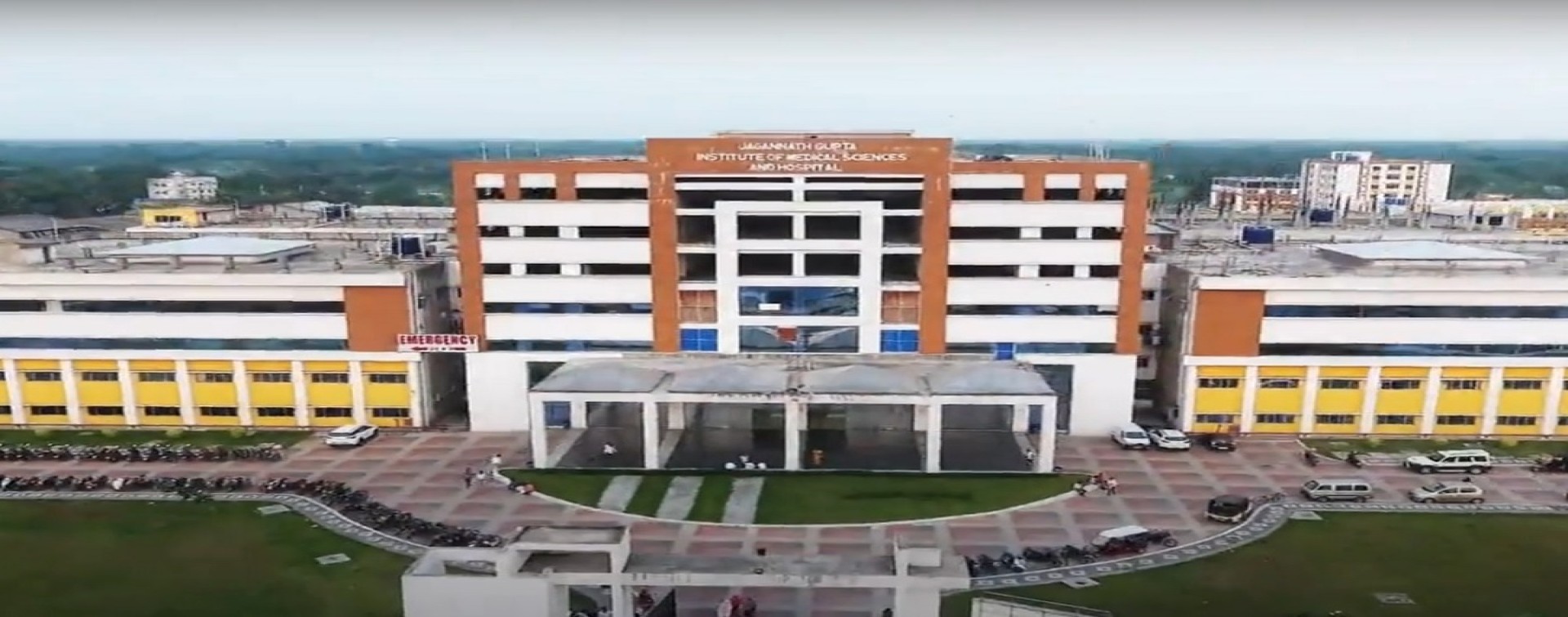
  • There is a 2600-bed super specialty hospital (KIMS) on campus. 

  • Faculty / Staff: More than 3000 faculty / researchers, 15,000+ other staff. Learner population over 40,000 across all disciplines. 


Academics

  • Offers a wide variety of programs: undergraduate, postgraduate, doctoral in Engineering, Management, Computer Applications, Law, Biotechnology, Medical Sciences, Dental Sciences, Nursing, Mass Communication, Film & Media, Fashion, etc. 

  • Also runs KIIT-ITI (Industrial Training Institute) for vocational training in trades. 


Accreditation, Ranking & Recognition

  • Accredited by ABET (USA) and Institution of Engineering & Technology (IET, UK) for certain programs. 

  • NAAC grade: A++

  • In NIRF (National Institutional Ranking Framework, India) 2024, KIIT was ranked 15th among Universities. 

  • In global rankings: in THE World University Rankings 2024 in the 601-800 band; has specific strengths (e.g. CSE ranking in 301-400 band) in some subject areas. 

  • Also high ranking in Asian university rankings. 


Strengths

  1. Large & Modern Infrastructure – campuses with good labs, hostels, sports, hospital etc.

  2. Diverse Programs – covers many fields, allowing inter-disciplinary opportunities.

  3. International accreditation for engineering/computing fields, which helps with global recognition.

  4. Good placement records historically.

  5. Innovation & entrepreneurship focus — ranked No.1 among private higher ed institutions in India (by ARIIA) for innovation. 

  6. Global diversity: students from many countries. 


Considerations / Challenges

  • Being a large institution, sometimes issues like student-to-faculty ratio, oversight, consistency across departments can vary.

  • Fees for private deemed universities tend to be higher compared to many government colleges.

  • As with many universities, placements depend heavily on branch, personal performance, and networking.

  • There has been some recent scrutiny: e.g. UGC issued a show cause notice following a student suicide probe. This could affect reputation, expansion etc. 


Vision / Mission & Values

  • KIIT’s vision is to be an “advanced centre of professional learning of international standing … unfettered by the barriers of nationality, language, cultural plurality and religion.” 

  • Mission includes imparting value-based quality education, encouraging research, entrepreneurship, global perspective, ethical practices etc.

Key Components

  1. Entrance Exam — KIITEE
    Most undergraduate / many postgraduate programs require passing the KIIT Entrance Examination (KIITEE). 

  2. Eligibility Criteria

    • For UG courses like B.Tech: pass 10+2 or equivalent with required subjects (e.g. Physics, Chemistry, Mathematics). 

    • For certain courses like Architecture, valid NATA score or JEE Paper 2 may also be needed besides KIITEE. 

    • Some programs require minimum % marks in 10+2 (or graduation, for PG courses).

    • International applicants have their own eligibility criteria (board equivalence, age etc.).

  3. Application Process

    The general admission flow is:

    Step

    What You Do

    Step 1

    Fill out the online application form on KIIT / KIITEE portal, before deadline.

    Step 2

    Upload supporting documents (mark sheets, photograph, signature etc.). 

    Step 3

    Appear for the KIITEE exam (if required for the course). 

    Step 4

    Counselling / seat allotment based on rank, category, availability etc. 

    Step 5

    Confirm admission by paying the admission / tuition fees, submit any additional documents, report to campus etc.

  4. Special Cases

    • Medical Courses (MBBS / BDS etc.): Admission via NEET exam— not via KIITEE. 

    • International Students: Follow KIIT’s international application procedure, which may involve equivalence of foreign certificates, and additional documentation.

    • Architecture: Course requires valid NATA (or JEE Paper-2) score along with prescribed subject marks. 


Timeline & Important Dates

  • KIITEE application windows run in phases. For example, for BBA 2025, there were multiple phases: Phase 1 (Nov → April), Phase 2 (application deadline ~ early June), Phase 3 (end June) etc.

  • Examination dates also differ by Phase. 

  • Result rankings, seat allotment, counselling follow after exams. 


Things to Keep in Mind

  • Make sure you check eligibility specific to your chosen course (some courses have non-standard requirements).

  • Apply within deadlines. Missed deadlines often mean waiting for next phase / year.

  • Keep documents (mark sheets, identity proof, photographs etc.) ready and in required formats.

  • Pay attention to counselling dates & fee payment schedules.

  • If international, check visa / document verification timelines etc.

Undergraduate (UG) Programs

Engineering & Technology

  • B.Tech in: Computer Science & Engg., Information Technology, Electronics & Telecommunication, Electrical, Mechanical, Civil, Aerospace, Biotechnology, Mechatronics, Automobile, etc.

Management, Commerce & Humanities

  • BBA, B.Com (Hons.), BA (English, Economics, Sociology, Political Science, Psychology), BA in Liberal Arts

Law (under KIIT School of Law)

  • BA LL.B (Hons.), BBA LL.B (Hons.), B.Sc. LL.B (Hons.)

Medical & Allied Sciences (under KIMS)

  • MBBS, BDS

  • B.Sc. Nursing, BPT (Physiotherapy), BOT (Occupational Therapy), B.Sc. in Medical Laboratory Technology, Optometry, Radiology & Imaging, Anesthesia Technology, etc.

Architecture & Design

  • B.Arch (with NATA/JEE Paper-2 score)

  • B.Des (Fashion/Textile/Communication/Interior), Bachelor of Film & Media Studies

Other Specialized UG Courses

  • B.Sc. in Computer Science, Biotechnology, Microbiology, Environmental Science

  • B.A. in Mass Communication & Journalism

  • BFA (Fine Arts)


🔹 Postgraduate (PG) Programs

Engineering & Technology

  • M.Tech in multiple disciplines (CSE, Electronics, Civil, Mechanical, Biotechnology, Structural Engg., etc.)

  • MCA (Master of Computer Applications)

Management

  • MBA (General, HR, Marketing, Finance, Operations, International Business, Agri-Business, Rural Management)

  • MBA in Healthcare & Hospital Management

Law

  • LL.M. (various specializations)

Medical & Allied Sciences

  • MD, MS (Clinical specializations)

  • MDS (Dental)

  • M.Sc. Nursing, MPT (Physiotherapy), MOT (Occupational Therapy), M.Sc. in Medical & Allied subjects

Sciences & Humanities

  • M.Sc. in Biotechnology, Applied Microbiology, Physics, Chemistry, Mathematics

  • MA in English, Economics, Sociology, Political Science, Mass Communication & Journalism

  • Master of Fine Arts (MFA)


🔹 Doctoral Programs

  • Ph.D. in Engineering, Sciences, Management, Law, Humanities, Medical & Dental Sciences, Nursing, etc.


🔹 Vocational & Training

  • KIIT ITI (Industrial Training Institute) → courses in Electrician, Fitter, Welder, Plumber, Refrigeration & AC, etc.

  • Skill Development & Entrepreneurship programs

Course

Fee / Year or Total


MBA (KSOM, batch 2025-27)

₹ 18,00,620 (total for 2 years) 


MBA (KSOM, another figure quoted)

₹ 13,90,000 (for full 2-year MBA, 2025-26) 


MBBS

~ ₹ 83.25 lakhs (for full course ~4.366 years) 


M.D General Medicine

₹ 21,75,000 per year (first year) and similar for next two years ~ ₹ 21,00,000 each year for years 2 & 3. 


M.D Community Medicine

₹ 9,75,000 first year; ~ ₹ 9,00,000 for remaining years.


Pharmacy (KIMS – B. Pharm / D. Pharm)

~ ₹ 1,50,000/year for B.Pharm; ₹ 75,000/year for D.Pharm. Hostel fees separate. 


⚠️ Things to Check / Confirm

  • Whether the fee quoted is tuition only, or includes hostel, mess, utilities, books, laptop etc.

  • One-time payments (admission fee, registration, hostel joining, laptop) often are large extra lumps.

  • Whether AC or non-AC hostel; shared room / single etc matter a lot.

  • Some courses have very high fees (esp. medical PG/MD/MBBS) and they tend to adjust annually.

  • Scholarship / financial aid might reduce the cost for eligible students.

✅ Key Placement Highlights and Statistics (Recent Years)

Metric

Value / Insight

Overall Placement Rate (across schools)

~83-90%. 

Number of Companies participating

Over 700 companies visited in the 2024 placement season. 

Number of Job Offers

5,585+ offers in 2024 (all schools combined). 

Highest Package

~ ₹ 53 LPA in 2024 (some reports say up to ₹ 63 LPA in previous years). 

Average Package

For B.Tech / School of Technology: ~ ₹ 6.5-8.5 LPA depending on branch & offers. Management

/ KSOM averages are around ₹ 9 LPA. 

“Dream Offers”

A significant number: For example, in 2024, the School of Technology had ~ 1,500+ “dream offers.” 

Top Recruiters

Some of the frequent recruiters include: Capgemini, Amazon, Deloitte, Cognizant,

Bosch Global Software Technologies, HighRadius, TATA Power, Yugabyte etc.


⚙️ Strengths in KIIT’s Placement Setup

  • Scale: The volume of companies & offers is large; broad participation across many sectors.

  • Diversity of roles: Not just “mass hiring” but several high-value offers / technical roles especially for engineering / CSE branches.

  • Dream / high package offers well into ₹50-60 LPA for top performers.

  • Good average packages: Even for many non-top branches (though less than CSE etc.), the averages are decent.

  • Strong placement support: Pre-placement training, workshops, internships, multiple recruiters etc. KIIT’s placement cell seems active.


⚠️ Things to Consider / Limitations

  • Branch-wise Variation: Packages & chances are much better in high-demand branches (CSE, IT, some core engineering). Other branches may see fewer high offers / fewer companies visiting.

  • Not always 100%: While some reports say 90%+ placement, that doesn’t mean every student gets placed; some get offers later / outside bulk drives. Packages for median students will be much lower than the highest.

  • “Dream offers” are limited: Those very high offers are for top performers; most students get average or modest offers.

  • Competition internally: With large batch sizes, more students compete for the same set of companies. Your individual performance, projects, internships, and skills matter a lot.

  • Data lag / ongoing placement drives: Some numbers are “so far” (i.e. placements still continuing). Always check the latest official report.

Strengths in KIIT’s Placement Setup

  • Scale: The volume of companies & offers is large; broad participation across many sectors.

  • Diversity of roles: Not just “mass hiring” but several high-value offers / technical roles especially for engineering / CSE branches.

  • Dream / high package offers well into ₹50-60 LPA for top performers.

  • Good average packages: Even for many non-top branches (though less than CSE etc.), the averages are decent.

  • Strong placement support: Pre-placement training, workshops, internships, multiple recruiters etc. KIIT’s placement cell seems active.


⚠️ Things to Consider / Limitations

  • Branch-wise Variation: Packages & chances are much better in high-demand branches (CSE, IT, some core engineering). Other branches may see fewer high offers / fewer companies visiting.

  • Not always 100%: While some reports say 90%+ placement, that doesn’t mean every student gets placed; some get offers later / outside bulk drives. Packages for median students will be much lower than the highest.

  • “Dream offers” are limited: Those very high offers are for top performers; most students get average or modest offers.

  • Competition internally: With large batch sizes, more students compete for the same set of companies. Your individual performance, projects, internships, and skills matter a lot.

  • Data lag / ongoing placement drives: Some numbers are “so far” (i.e. placements still continuing). Always check the latest official report.

Campus & Academic Facilities

  • Library & Digital Resources
    The academic libraries have huge collections: hundreds of thousands of books, subscribed print journals & e-journals, multimedia resources, etc. Many e-databases and e-journals are available for research students. 

  • Smart Classrooms / Lecture Halls / Auditoria
    Modern lecture halls (often multimedia equipped), seminar halls, an auditorium (1600-seat) convention centre etc. for workshops, conferences, cultural programmes.

  • Labs & Research Centres
    For specialized programs (medical, biotechnology, engineering etc.), well-equipped labs (histopathology, anatomy, etc.), research facilities and a live medical hospital (KIMS) for practice & clinical exposure.


🏠 Residential / Hostel Facilities

  • Separate hostels for male & female students. Large capacity: hostels accommodate over 10,000 boys & ~ 5,600 girls.

  • About 30% of hostel rooms are air-conditioned. Various room types: single, two-bedded, three-bedded etc. Some premium hostels with attached bathrooms.

  • Amenities: beds + mattress, study tables & chairs, cupboards/wardrobes, water supply (with filters, hot water in winters), power backup, recreation halls, indoor & outdoor games facilities, WiFi/internet (in many hostels) etc.


🍲 Food, Dining & Everyday Services

  • Cafeteria / Food Courts: 15 food courts plus around 20 hostel canteens. Variety of cuisines: local (Odia), South Indian, Chinese, Continental etc. 

  • Dining halls in hostel blocks, hygienic kitchens.

  • Shuttle / Transportation: Campus buses / shuttles connect parts of campus.


🏅 Sports & Recreation

  • Sports complexes: KIIT has many sports complexes (~10-18 across campuses) covering indoor & outdoor facilities. 

  • Outdoor stadiums & fields: KIIT Stadium (large, 29 acres) with capacity for tens of thousands, floodlit fields, turf wickets for cricket, astroturf for hockey etc.

  • Indoor stadiums like Biju Patnaik Indoor Stadium: with courts for badminton, basketball, table tennis, etc., gyms, health clubs, yoga halls. 

  • Swimming pools: Multiple campuses have indoor and outdoor swimming pools.


🩺 Medical / Health / Safety

  • On-campus medical facilities via KIMS (Kalinga Institute of Medical Sciences) which is a super specialty hospital. Students can access medical help on campus.

  • Health & wellness facilities: health clubs, gyms, etc.


🛠 Other Amenities / Utilities

  • WiFi / Internet across campus and in hostels. Wireless and wired connectivity.

  • Banks, ATMs, Post Office, Railway Reservation Counter inside campus. Guest houses for visitors.

  • Guest Houses / Residences for visitors, faculty etc.

Who Should Consider KIIT?

✅ Students looking for modern infrastructure, large campus life, and diverse programs.
✅ Those who value strong placement training and are in high-demand streams like CSE, IT, ECE, MBA.
✅ Students who can afford higher fees in exchange for better facilities and international recognition.

❌ May not be ideal if your main priority is low cost of education or if you want very high ROI in non-CSE/core branches.
❌ Those who prefer smaller, tightly knit campuses may find KIIT too big/impersonal.

4.7 1 reviews

  • Academics
    4.9
  • Campus Life
    4.7
  • Facilities
    4.7
  • Placement
    5.0
  • Financial Aid
    4.0
  • Location
    4.6
Promote Education September 2025

👍 What People Commonly Like (Positive Feedback) Infrastructure and Campus Life: Many students praise KIIT’s large, modern campus, good labs, sports facilities, and hostel amenities. Vibrant Culture: A lot of extracurriculars, cultural fests, technical clubs, guest lectures — students find campus life lively. Placements, Especially in Popular Branches: For branches like CSE/IT, students believe placement opportunities are quite good, with many mass recruiters, and pretty solid average salary offers. Student Support / Activities: Workshops, mock interviews, events etc., that help enhance skills beyond just coursework are valued. 👎 Common Criticisms / Concerns High Fees: Many feel the fees are steep especially relative to what is delivered in some branches. Large Batch Sizes & Overcrowding: Some students complain that certain departments (especially CSE) have very large numbers of students, which can affect attention from faculty, class sizes, lab access etc. Variability in Faculty / Teaching Quality: Some reviews say that while there are good and very good faculty, others are average; not all teachers are highly experienced. Research / Lab Practical Weakness: A few reviews mention that lab sessions, research opportunities, hands-on components in some branches are not as strong as expected. Rules / Hostel-life Constraints: Issues like strict hostel timings (especially for girls), curfew, stringent rules in early semesters etc. Some students find these restrictive.

kalinga Institute of Industrial Technology FAQs

No FAQs available.