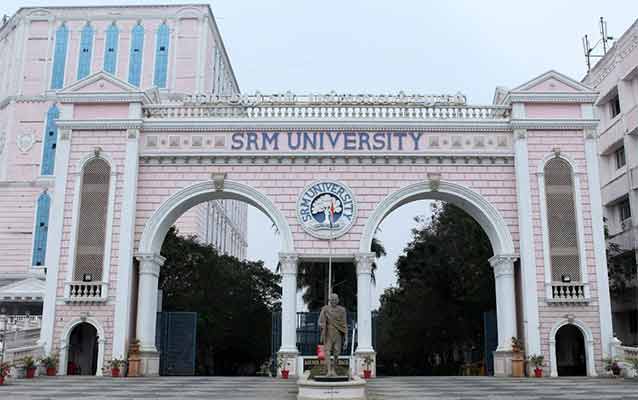
SRM Univeristy
- R2FV+6Q7, Potheri, SRM Nagar, Kattankulathur, Tamil Nadu 603203
- 4.8/5 (1 Reviews)
- Private Institute - Estd. 1985
Requirement |
Details |
|---|---|
Nationality |
Indian citizens; NRIs, PIO, OCI cardholders also allowed under specific categories. |
Minimum Age |
Must be 16 years + 6 months by July 31 of the year of admission. |
Academic Qualification |
Passed or appearing in 10+2 / equivalent exam with Physics and Mathematics compulsory, plus one of Chemistry / Computer Science / Information Technology / Biotechnology / etc. |
Minimum Marks |
Usually 60% aggregate in PCM (Physics, Chemistry, Maths) or related subjects. Some campuses have different cutoffs (like 50%) for certain courses or campuses. |
Board Types |
Students from recognized boards (CBSE, ICSE, State Boards) accepted; students awaiting results also eligible. Some international boards (IB, A-Levels) are also accepted. |
Level |
Some UG / PG Programs Offered |
|---|---|
Undergraduate (UG) |
B.Tech in many branches including: Aerospace Engineering, Automobile / Automotive Engineering,Biomedical Engineering, Biotechnology, Chemical Engineering, Civil, Computer Science & Engineering, Electronics & Communication, Electrical & Electronics,Electronics & Instrumentation, Information Technology, Mechatronics, Nanotechnology, Genetic Engineering, Software Engineering etc.
|
Postgraduate (PG) |
M.Tech in several specializations: Embedded Systems, Communication Systems, CAD, Environmental Engineering, VLSI, etc.
|
Level |
Key UG / PG Programs |
|---|---|
Undergraduate (UG) |
B.Tech in many specializations: • Computer Science & Engineering – Core CSE – AI & Machine Learning– Big Data Analytics – Internet of Things – Cyber Security – Cloud Computing • Electronics & Communication Engineering •Electrical & Electronics Engineering • Mechanical Engineering • Information Technology • Biotechnology • Biomedical Engineering • B.Arch (Architecture) •B.Des (Interior Design) • B.Com specializations (Accounting & Finance, Corporate Secretaryship etc.) • B.Sc & others (Computer Science, etc.) |
Postgraduate (PG) |
M.Tech specializations (Structural Engineering, Construction Engineering & Management, Computer-Aided Design) MBA M.Arch (Architecture) PG Commerce (M.Com) MCA, etc. |
For B.Tech in CSE, AI, ML and similar branches, the annual tuition fee generally ranges between ₹4.5 lakh and ₹7 lakh depending on merit or management quota.
For ECE, EEE and related branches, fees are usually ₹3.75 lakh to ₹6.5 lakh per year.
For Mechanical, Civil and other branches, it’s about ₹3.25 lakh to ₹5.5 lakh per year.
Other specialized courses like Biotechnology can vary within similar ranges.
Hostel charges at KTR: a double sharing AC room with mess is around ₹1.45–1.5 lakh per year. Non-AC options are lower (roughly ₹1 lakh+).
One-time expenses (registration, books, career development, etc.) can add ₹50,000–₹60,000 initially.
For B.Tech in CSE, fees are usually around ₹2.5–3 lakh per year under merit quota. Management quota fees are higher. Over 4 years, the total can come to ₹11–12 lakh.
Hostel charges range between ₹93,000 and ₹1.65 lakh per year for male students, and up to ₹2.75 lakh per year for female students, depending on AC / non-AC and room type.
For B.Sc courses, the total fee across 3 years is generally ₹2.1–3.75 lakh.
For B.Com courses, the total fee across 3 years is ₹2.4–3.25 lakh.
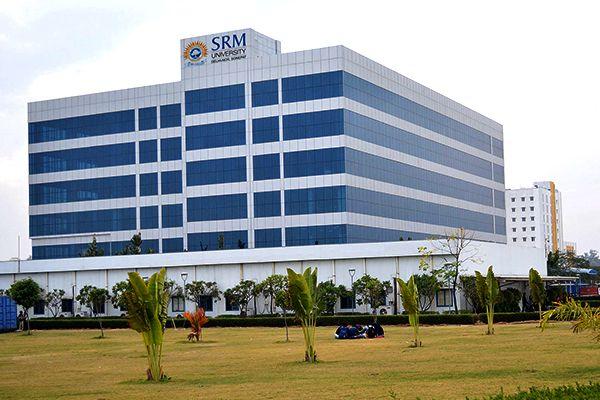
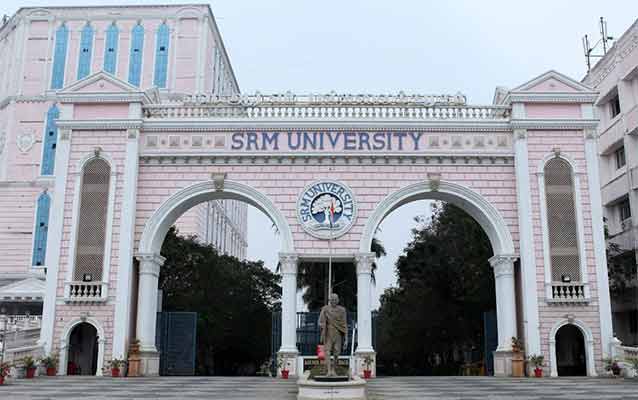
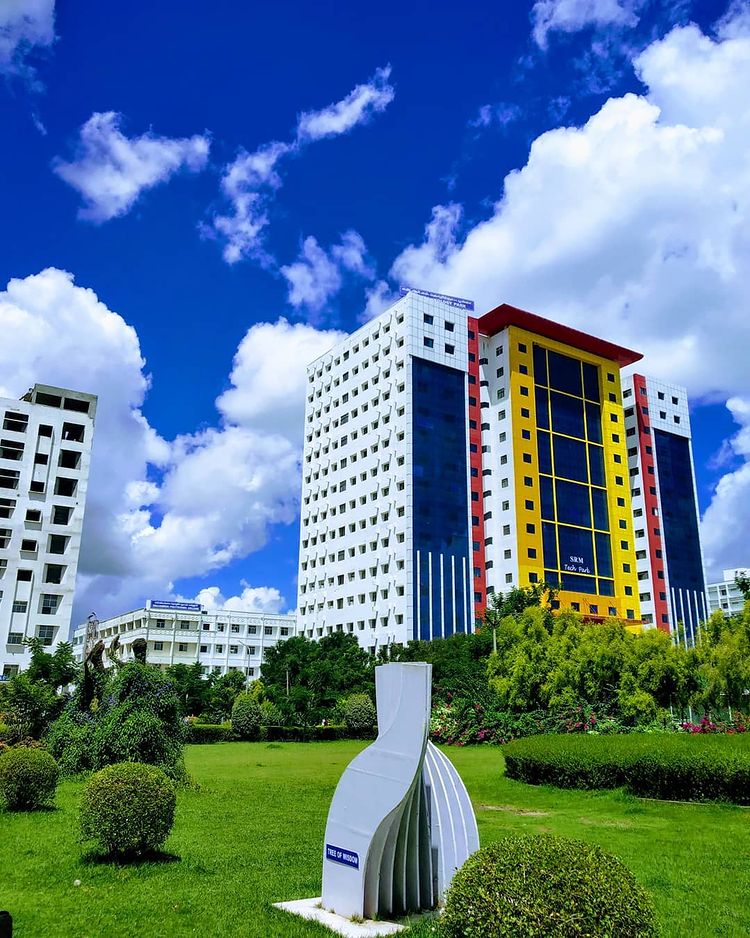
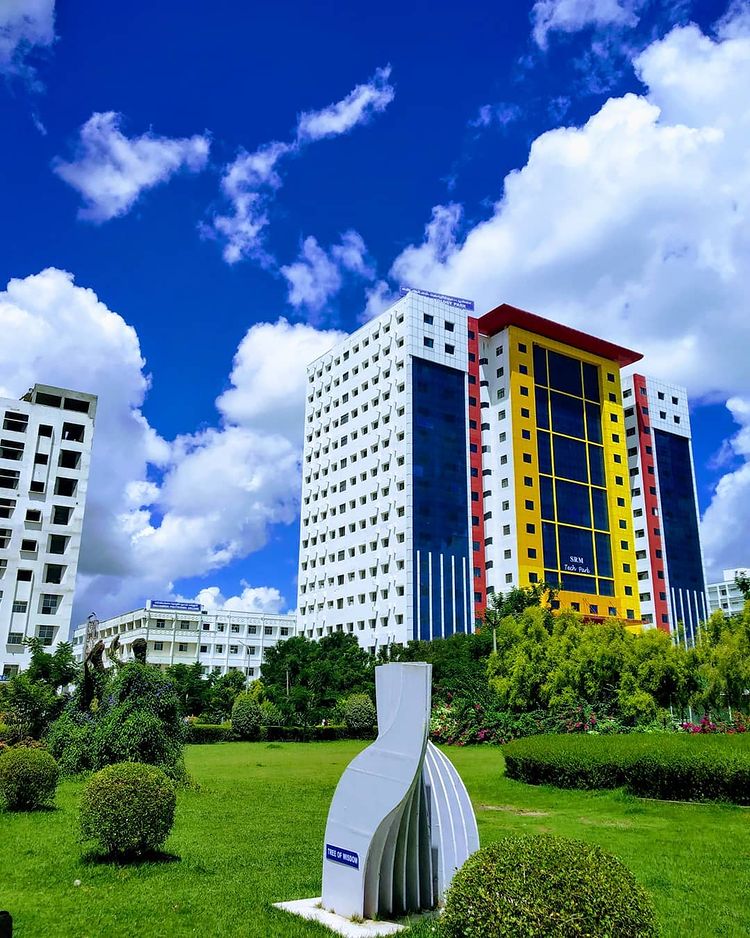
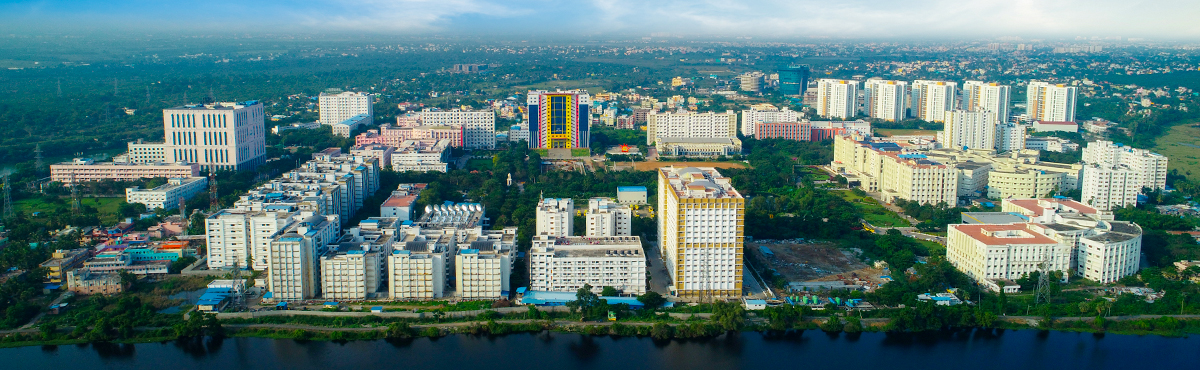
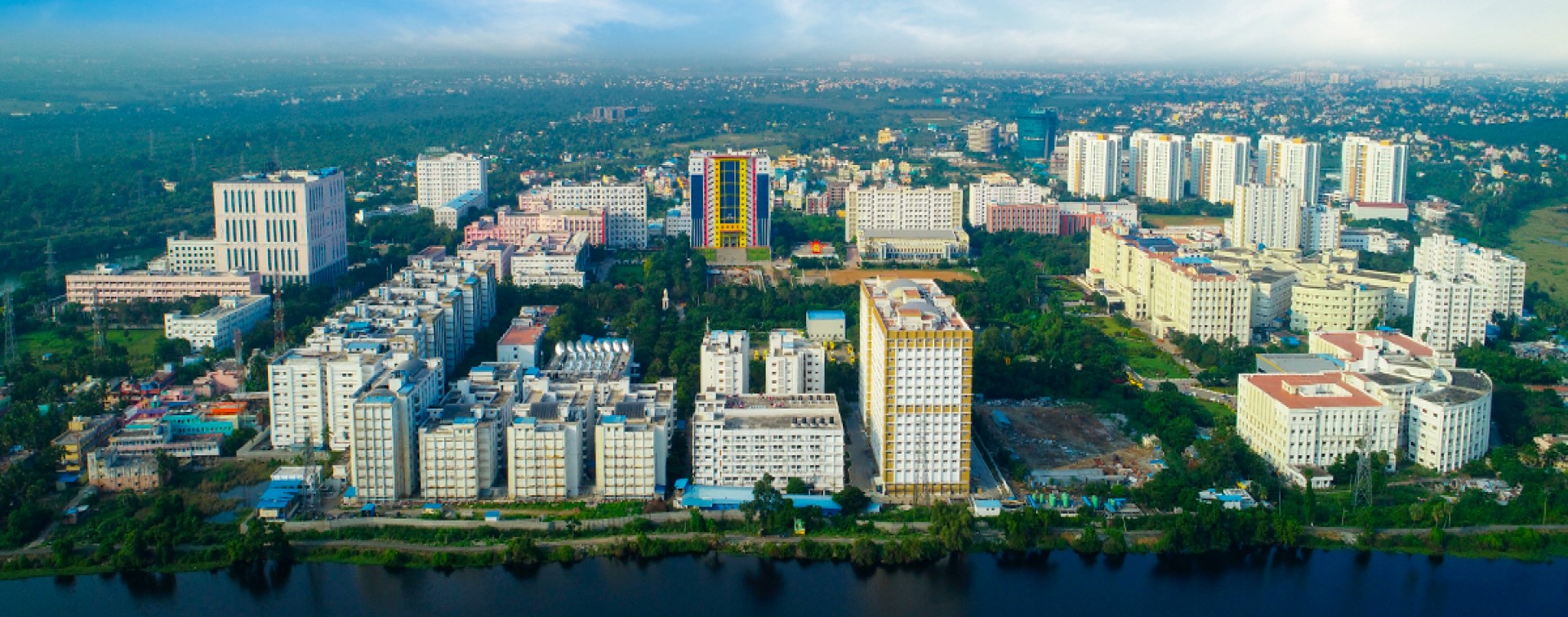
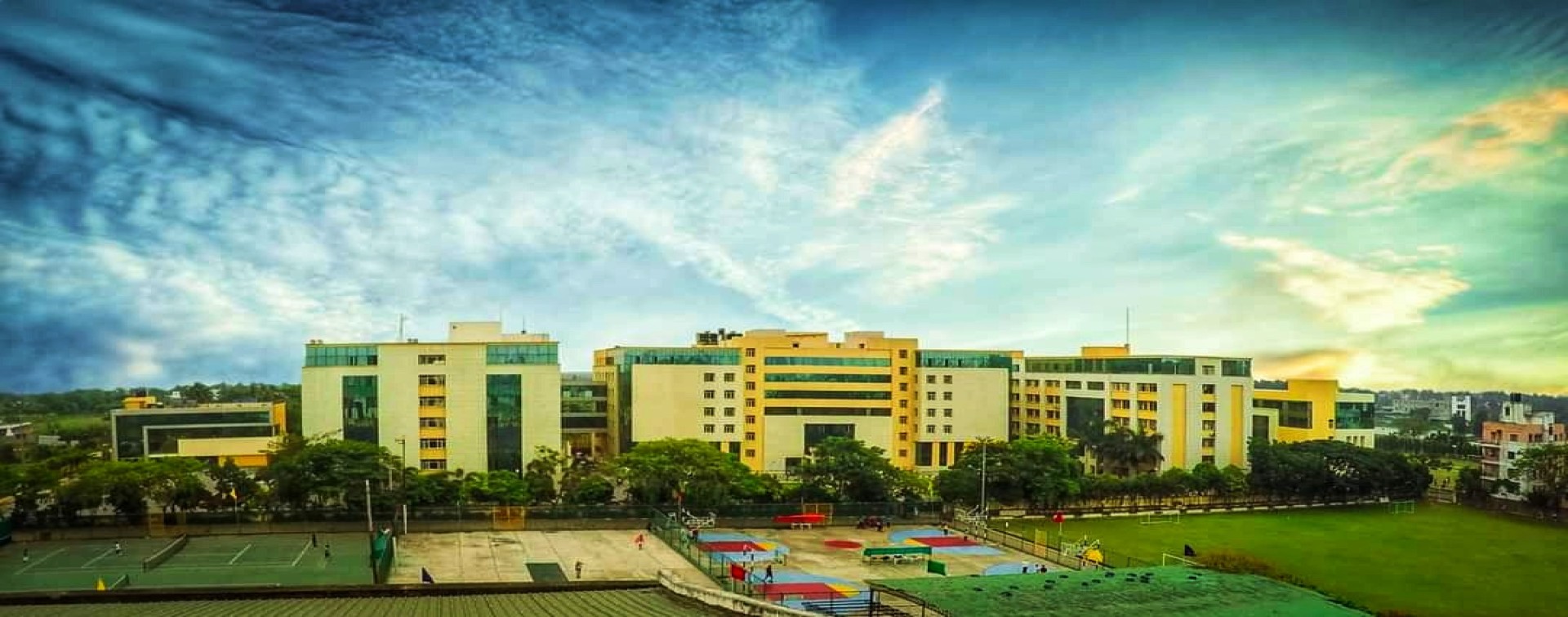
SRM University – Student Reviews Overall Experience SRM University is one of India’s most recognized private universities, with multiple campuses across Chennai and beyond. The Kattankulathur (KTR) main campus is the flagship, while the Ramapuram campus offers a city-based learning environment. Student reviews reflect a mix of strong opportunities and common challenges, depending on campus and branch. Academics & Faculty The quality of academics is often branch-specific. Students in Computer Science and IT-related programs generally report better exposure, updated labs, and active placement support. In other streams, experiences vary depending on the faculty. Some professors are highly supportive and encourage projects, while others are seen as less engaging. Placements Placements are a highlight, especially at KTR. Top recruiters like Amazon, Microsoft, Accenture, and Infosys visit regularly. CSE and IT students receive the best offers, with packages reaching 40–50 LPA for top performers. Average salaries range between 6–8 LPA for KTR and slightly lower for Ramapuram. In non-CSE branches, placements are available but often at lower pay scales. Infrastructure & Facilities KTR campus is spread across 250 acres with advanced classrooms, labs, a central library, hostels, hospital, and multiple auditoriums. Ramapuram is smaller and urban, with modern blocks but limited open space. Both campuses provide WiFi, canteens, gyms, and hostel facilities. Students appreciate the availability of amenities but sometimes complain about hostel food quality and maintenance issues. Campus Life Cultural fests, clubs, and student activities are a big part of life at SRM. Students describe the environment as energetic, with opportunities to build networks and explore extracurriculars. Peer groups are diverse, and events make campus life engaging. Fees & Value for Money One of the biggest concerns is cost. Annual tuition fees are high, ranging from 2.5 to 7 lakh depending on branch and campus. While CSE students often justify the investment due to strong placements, those in core engineering or non-technical branches sometimes feel the return on investment is weaker. Hidden costs (exam fees, lab charges, hostel expenses) are also mentioned. Pros Strong placements in CSE/IT streams Modern infrastructure at KTR campus Active student life with clubs and events Recognition and brand value in India and abroad Cons Very high tuition and hostel fees Uneven teaching quality across departments Average placements in non-IT branches Hostel food and maintenance often criticized Verdict SRM University is a good choice for students aiming for Computer Science, IT, or related fields, especially at the Kattankulathur campus. Ramapuram offers convenience for city-based students but with some compromises in space and average placements. Success at SRM ultimately depends on the student’s initiative, skill development, and ability to leverage the university’s resources.
No FAQs available.